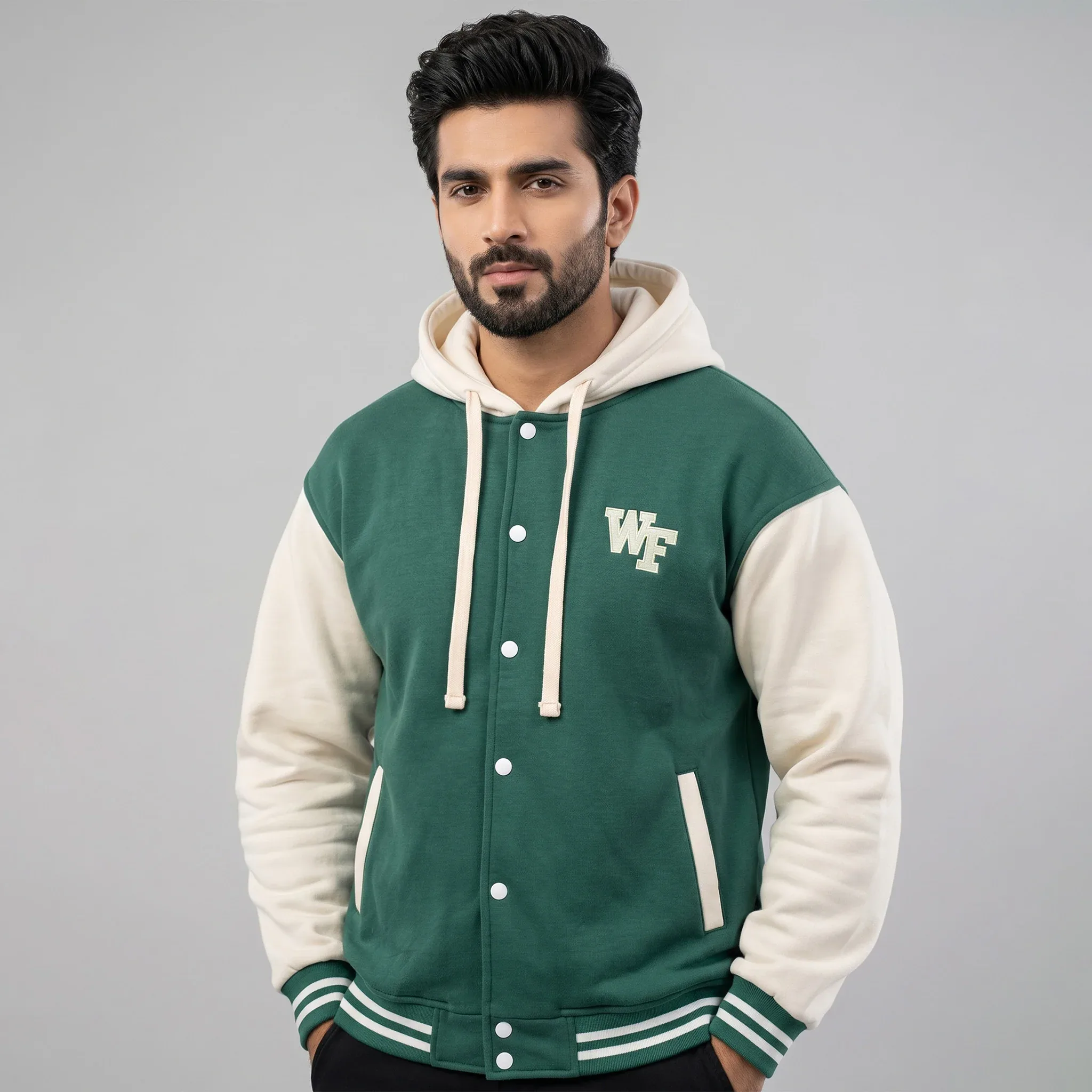
A winter tracksuit for mens daily wear has to do three jobs at once: keep you warm on an early walk, survive the gym, and look presentable at the shop. Most buyers choose on colour and price, then wonder why the set pills after three washes or feels thin by evening. A few checks on fabric, fit, and layering will prevent both problems.
What Fabric Actually Keeps You Warm
Fabric weight matters more than how thick a garment looks. Brushed fleece traps warm air in a soft inner pile, so a 300 GSM fleece (GSM means grams per square metre, a measure of fabric weight) feels far warmer than a flat 200 GSM jersey. Anything below roughly 220 GSM suits autumn better than a Lahore January, when nights settle around 6°C. Three common options:
- Fleece-lined cotton blend: warm, breathable, and the best all-rounder for daily wear.
- Polyester-heavy fleece: dries quickly and resists shrinking, but can feel clammy during long workouts.
- Interlock or ottoman knit: dense and smooth, good for cool days but not for freezing mornings.
A cotton-polyester blend of roughly 70/30 is a sensible compromise, giving you cotton’s comfort and polyester’s shape retention. Before buying, run your palm over the inside of the garment. If the pile feels patchy or leaves lint on your skin, it will pill quickly. Stretch the ribbed cuffs and let go as well. Good ribbing snaps back, and it is what seals warm air around your wrists and ankles.
Seams are worth a look too. Flat-lock stitching, where the seam lies flat against the skin, rubs far less during a long walk than a raised overlock seam. Buying online, zoom into the product photos near the underarm and waistband, where poor stitching shows first.
Fit and Cut: Slim, Regular or Baggy
Slim sets look sharp but leave no room for a thermal base layer, and tight fabric across the shoulders loses insulation exactly where you need it. Regular fits are the safe middle. Baggy and drop-shoulder cuts have grown popular because the sleeve seam sits below the shoulder joint, which lets you layer freely and move without the fabric pulling.
Leg shape deserves attention as well. A trouser with a fuller thigh and a tapered ankle traps warm air around the leg while the cuff stops draughts, which works better than a straight leg that flaps open at the hem. Jogger-style bottoms also stay clear of wet pavement on foggy mornings.
To size correctly, measure around the fullest part of your chest while wearing a T-shirt, then compare the number with the brand’s size chart rather than your usual label. If you land between two sizes, go up for winter, since layers add bulk. Check trouser length too. The hem should reach the ankle without pooling over your shoes, and an elastic or drawcord waist should hold without digging in.
Layering Under and Over Your Tracksuit
The simplest base layer is a fitted long-sleeved tee. Many shoppers looking for men's full-sleeve T-shirts want exactly this: an inexpensive layer that adds warmth without bulk. Choose 4-way stretch cotton so the sleeves don’t ride up past the jacket cuffs when you reach or stretch.
Over the base layer, a zip-up jacket works better than a pullover because you can open it to regulate heat. A useful rule from cold morning walks: if you are sweating within ten minutes, remove a layer. Sweat that cools on your skin makes you colder than the weather does. For colour, pairing black, grey or navy men's full-sleeve T-shirts with a charcoal or black set keeps the outfit looking deliberate rather than random.
Do not ignore the extremities either. A lot of body heat escapes through an uncovered head and neck, so a mock neck collar or a thin beanie makes a noticeable difference, and a pair of thick cotton socks keeps your ankles from feeling the draught between trouser hem and shoe.
Think about the whole day, not just the morning. A set that feels right at 7 a.m. can feel heavy by noon, so choose a zip jacket you can open or tie around your waist. A mock neck with a half zip does the same job when you need to vent heat without taking the whole top off.
Care Habits That Keep the Set Looking New
Winter activewear lasts longer when you treat it gently, and the routine is short:
• Wash inside out at 30°C with a mild detergent.
• Skip fabric softener, which coats fleece fibres and flattens the pile.
• Zip the jacket before washing so the teeth don’t snag the lining.
• Dry in shade or on low heat, because direct sun fades dark colours.
Wash after three or four wears unless you have sweated heavily. Washing the jacket and trousers together also helps the colour fade evenly, so the two pieces still match after a full season.
Storage counts too. Folding fleece tightly for months crushes the pile, so keep the set loosely folded in a breathable cotton bag rather than plastic, which traps moisture and can leave a musty smell by next November.
Final Thoughts
Judge any winter tracksuit for men's needs by three things: fabric weight, a fit with room for layers, and a care routine you will actually follow. Add a decent base layer, such as one of the mens full sleeve tshirts in stretch cotton, and the same set covers morning walks, gym sessions, and casual evenings. If you want to compare these details on real pieces, the Wear To Fit winter tracksuit collection is a handy place to browse.
FAQs
1. What GSM is best for a winter tracksuit?
For most of Pakistan, 280 to 350 GSM fleece is a reliable range. Go lighter for Karachi and heavier for Islamabad or hill stations.
2. Should I size up for winter?
If you plan to wear a thermal or long-sleeved tee underneath, go one size up when you are between sizes. Otherwise, stay true to your chest measurement.
3. Is a tracksuit enough in very cold weather?
Down to about 8°C, it works well with a base layer. Below that, add a coat or shawl over the jacket.
4. How do I stop fleece from pilling?
Wash inside out, avoid fabric softener, and keep the set away from rough items such as jeans and towels in the same load.
5. Is a hooded or zip-neck set better for winter?
A hood adds warmth for the head and neck, but a mock neck with a half zip blocks wind just as well and looks tidier indoors. Choose by routine, not by label.