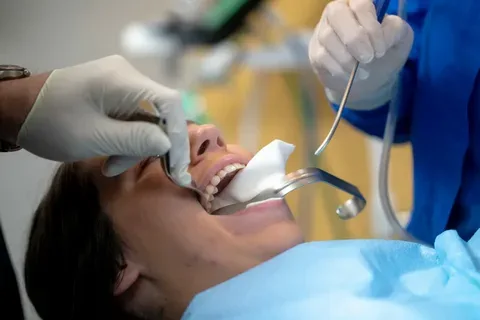
Wisdom teeth removal is a common dental procedure, but recovery can involve temporary swelling, soreness, jaw stiffness, and changes to your usual eating routine. Knowing what to expect can make the healing process easier to manage and help you recognize when something may need attention.
Recovery varies depending on how many teeth are removed, whether they are impacted, and how complex the procedure is. Following your dentist's or oral surgeon's instructions is essential, especially during the first few days.
What Happens During the First 24 Hours?
The first day after wisdom teeth removal is important because a blood clot needs to form in each extraction site. This clot protects the underlying tissue and supports healing.
Some bleeding, tenderness, and swelling are normal. Your dentist may recommend biting gently on gauze to control bleeding and using a cold compress on the outside of your cheek to help manage swelling.
During this period:
- Rest and avoid strenuous physical activity.
- Follow the recommended instructions for prescribed or approved pain medication.
- Avoid vigorous rinsing, forceful spitting, and drinking through a straw.
- Choose cool or lukewarm soft foods that require little chewing.
- Avoid smoking and alcohol.
If you received sedation or general anesthesia, follow the specific instructions about driving, supervision, and returning to normal activities.
Wisdom Teeth Removal Recovery Timeline
Healing does not happen at the same pace for everyone. The following timeline provides a general idea of what patients may experience.
First 1–3 Days
Swelling, discomfort, and jaw stiffness are common during the first few days. Swelling may become more noticeable before it starts to improve. Mild bruising and difficulty chewing can also occur.
Continue resting, eating soft foods, and using cold compresses as directed. Avoid disturbing the extraction sites while brushing or cleaning your mouth.
Days 4–7
Pain and swelling should generally begin to decrease. You may find it easier to open your mouth and eat a wider range of soft foods.
Continue keeping your mouth clean, but be gentle around the healing areas. Your dentist may recommend warm saltwater rinses after the first 24 hours.
One to Two Weeks
Many patients feel considerably better within one to two weeks. Jaw stiffness and bruising usually improve, although the extraction sites may remain sensitive.
If stitches were placed, they may dissolve on their own or require removal, depending on the type used.
Following Weeks
The gum tissue continues to heal, while deeper tissues and the underlying bone take longer to recover. Small openings at the extraction sites may remain for a while as the area gradually closes.
Your dentist may provide additional cleaning instructions if food collects in the healing sockets.
What Can You Eat After Wisdom Teeth Removal?
Choosing the right foods helps you stay nourished without putting unnecessary pressure on the extraction sites. Start with foods that require little or no chewing, then gradually introduce more solid options as your comfort improves.
Foods to Choose
Consider these options during the early recovery period:
- Yogurt and applesauce
- Mashed potatoes
- Scrambled eggs
- Smooth soups served lukewarm
- Oatmeal that has cooled
- Soft pasta
- Blended smoothies eaten with a spoon rather than through a straw
As healing progresses, you can gradually return to your usual diet when chewing feels comfortable. Try to avoid placing pressure on the extraction areas.
Foods to Avoid
Some foods can irritate the surgical sites or become trapped in the sockets. Avoid:
- Nuts, seeds, and popcorn
- Chips, crackers, and other crunchy foods
- Hard or chewy candies
- Spicy foods that may irritate sensitive tissue
- Very hot foods and drinks during the early recovery period
- Foods with small particles that can become lodged in the extraction sites
Follow your dentist's dietary instructions, as the appropriate time to reintroduce solid foods depends on your healing progress.
How to Keep Your Mouth Clean During Recovery
Oral hygiene remains important after wisdom teeth removal, but cleaning needs to be gentle around the surgical areas.
You can usually brush your other teeth carefully the day after surgery, unless your dentist gives different instructions. Avoid brushing directly over the extraction sites while they are healing.
After the first 24 hours, your dentist may recommend gently rinsing with warm salt water, particularly after meals. Avoid forceful swishing or spitting because these actions can disturb the blood clot.
Do not use medicated mouthwash or cleaning products unless your dentist recommends them. If you receive a special irrigation syringe, use it only as instructed.
What Is Dry Socket, and How Can You Recognize It?
Dry socket is a possible complication that occurs when the protective blood clot is lost or does not develop properly after an extraction. Without the clot, the underlying bone and nerves may become exposed, causing significant discomfort.
Signs may include:
- Severe or worsening pain a few days after extraction
- Pain that spreads toward the ear, temple, or nearby jaw
- An unpleasant taste or bad breath
- An extraction site that appears empty or has visible bone
Not every increase in discomfort means dry socket, but worsening pain should not be ignored. Contact your dentist or oral surgeon if you notice these symptoms.
Avoid smoking, using straws, or vigorously rinsing your mouth during the early healing period, as these actions can disturb the blood clot.
When Should You Contact Your Dentist?
Some discomfort is expected after surgery, but certain symptoms require professional attention.
Contact your dentist or oral surgeon if you experience:
- Bleeding that does not stop with the recommended pressure
- Severe pain that increases rather than improves
- Swelling that becomes worse after initially improving
- Fever, pus, or other signs of infection
- Persistent numbness or tingling in your lips, chin, or tongue
- Difficulty swallowing or breathing
Seek urgent medical attention for difficulty breathing or swallowing. Do not wait for a routine follow-up appointment if symptoms are severe.
Does Sedation Affect Wisdom Teeth Removal Recovery?
Some patients receive local anesthesia alone, while others may need sedation or general anesthesia depending on the complexity of the extraction and their individual circumstances. Dental sedation may help patients feel more relaxed during treatment, but the type used also affects the instructions they need to follow afterward.
Depending on the sedation method, patients may need someone to accompany them home and avoid driving or certain activities for a specified period. Your dental professional will explain the necessary precautions before the procedure.
Supporting a Smooth Recovery After Wisdom Teeth Removal
Most patients experience gradual improvement as the extraction sites heal. Resting, choosing suitable foods, maintaining gentle oral hygiene, and protecting the blood clots can all support recovery.
The healing process may take longer after a complicated extraction or when impacted teeth are involved. If you are experiencing discomfort, crowding, or repeated inflammation around your wisdom teeth, a dental evaluation can help determine whether wisdom teeth removal is appropriate.