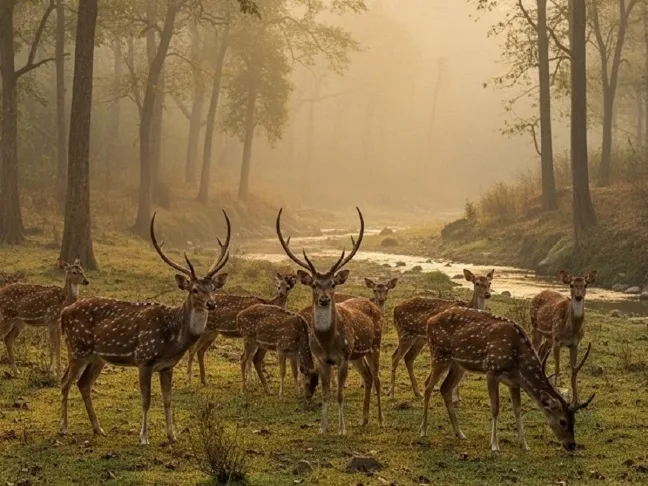
Conservation of wildlife is one of the most critical problems of today's world. Worldwide, forests are declining and ecosystems are becoming more fragile due to climate change, pollution, urbanization and human activities. Saving wildlife isn't just about saving the animals, it's about saving the planet and ensuring human survival.
The environment services provided by wildlife and natural ecosystems are vital for clean air, fresh water, climate regulation, biodiversity balance, and food security.
Ecosystems that enable human living are vulnerable to collapse without healthy forests and wildlife. That is why it's of even greater importance to conserve wildlife today.
The rapid loss of biodiversity is one of the major motivations for wildlife conservation. Thousands of species are threatened today, all over the world, because of destruction of their habitats, poaching, pollution, and climate change.
Forests, wetlands and grasslands, essential habitats for wildlife, continue to be lost due to deforestation and urban development. Animals are losing their habitats and adapting to the changing surroundings at a fast rate.
Protected areas and conservation efforts are essential for the survival of species like Bengal tigers, elephants, rhinos, snow leopards, and numerous bird species that are now critically reliant on these areas.
Wildlife plays a vital role in maintaining ecological balance.Wildlife is important in maintaining ecological balance.
In nature, all species have a function that helps to maintain ecological balance. Food chains and natural processes are supported in ecosystems by predators and herbivores, insects, birds, and plants.
The apex predators, such as the tiger, for instance, control the herbivore population, etc. If there are no predators, herbivores can overgraze forests, injuring the plant life. Small organisms increase soil fertility and decomposition, insects and birds pollinate plants.
If one species goes away, all of the ecosystem is impacted. Conservation of wildlife is a way to preserve such balances necessary for the sustainable health of forests and biodiversity.
Protected landscapes like the Dudhwa National Park safeguard the tiger, rhino, elephant, migratory birds and scores of other wildlife species.
Climate change is a significant environmental issue that is currently affecting the world, and wildlife conservation is contributing to the solution. Forests can store carbon dioxide from the atmosphere and can help to control the global temperature.
Protected forests in the national park and wildlife sanctuaries serve as natural carbon sinks, decreasing the amount of greenhouse gasses in the atmosphere. Wetlands and forests also act as a buffer against floods, water cycles and drought impacts.
The loss of forests results in the release of stored carbon and contributes to global warming. Preserving wildlife habitats is not only important for the conservation of biodiversity, but also for climate stability.
All organisms are interconnected with one another.There is a mutual dependence among all organisms.
National parks, Tiger reserves and wildlife sanctuaries are key players in wildlife conservation. These are places of protection to allow animals to live, breed and survive in a natural way.
India's protected forests have contributed to the maintenance of endangered species, and also maintained biodiversity rich ecosystems. The forests, rivers, grasslands and wildlife corridors are safeguarded in Parks like Jim Corbett National Park and Kanha National Park, which are vital for ecological balance.
Wildlife sanctuaries also help to preserve the genetic diversity and promote migration routes for animals.
Wildlife conservation is intimately linked with human health and human life. Our everyday reliance on clean air, water, fertile soil, medicinal plants and stable climate systems are all the benefits that healthy ecosystems offer.
Forests purify the air, control rainfall, and are useful for farming. Nature does a fine job of cleaning up the water and regulating flooding in wetlands. Biodiversity also plays a role in food security through the services of pollination and healthy ecosystems.
The damage of ecosystems carries significant risks for humans such as reduced water supply, air pollution, crop failure and climate-related events.
Conservation of wildlife is thus conservation of nature on which people depend.
There's also the wildlife aspect of the game to consider, which is good for eco-tourism and sustainable economic growth. The jungle safaris, birdwatching, Wildlife Photography and nature tourism are alluring to those who come to see and enjoy.
Eco-tourism generates jobs to the local communities in safari guiding, eco-resorts, transportation, and conservation tourism. Sustainable tourism promotes the appreciation of forest and wildlife instead of their exploitation.
Responsible tourism also promotes awareness of the conservation of biodiversity and environmental protection.
Nature and wildlife have positive effects on human mental and physical health. Being in nature and forests helps to alleviate stress, anxiety and mental fatigue.
Renewing engagement with nature, through activities like jungle safari tours, nature walks and birdwatching helps overall well-being. Forests also enhance air quality and create a better living environment.
With ever increasing stressful living in the modern cities, the need for conservation of nature for human well-being is also gaining momentum.
Wildlife conservation is still grappling with great difficulties, although there is increased awareness. Illegal poaching, habitat loss, pollution, climate change, mining, and the development of infrastructure are still endangering ecosystems globally.
Human-wildlife conflict is also escalating due to loss of forest area and encroaching of animals into human settlements. There are many species under threat of extinction if there is no conservation program.
Government protection, scientific management, community involvement and responsible tourism are all necessary for protecting biodiversity.
In fact, local communities can make a crucial contribution to conservation efforts. Eco-tourism and sustainable livelihood initiatives promote conservation and sustainable use of forests and species instead of adverse practices.
Environmental education and awareness campaigns also create awareness on why it is important to conserve biodiversity.
People can help by minimizing pollution, encouraging eco-tourism, abstaining from wildlife products, planting trees, and responsible tourism.
Conclusion -
It is more important than ever to protect wildlife because the survival of humans and nature are closely linked. Climate balance, clean water, food security and environmental stability are enabled by healthy forests, biodiversity, wetlands and wildlife ecosystems.
Conserving wildlife isn't just a mission to save the species that are endangered; it's a way of saving the ecosystems that enable life on Earth.
In today's world of increasing environmental problems, wildlife conservation is an important part of the strategy to ensure a future that is a sustainable and healthy environment.