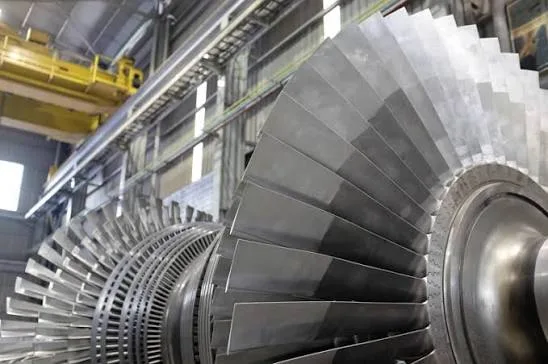
Gas and steam turbines play an important role in power generation, aviation, refining, petrochemical processing, and other industrial operations. These machines operate under demanding conditions involving high temperatures, pressure, vibration, and continuous mechanical stress. Even minor component damage can affect performance and lead to unexpected equipment downtime. Regular inspections help identify developing issues before they become serious operational problems.
Working with an experienced turbine inspection company helps operators evaluate equipment condition, detect potential defects, and make informed maintenance decisions. Professional inspection services can also support outage planning, reduce unnecessary equipment disassembly, and help maintain the reliability of critical turbine systems.
🔍 1. Why Turbine Inspections Matter
Turbines contain complex components that must operate together with precision. Blades, seals, rotors, casings, and other internal parts experience significant stress during operation. Over time, these conditions can contribute to cracks, corrosion, erosion, surface damage, and material degradation.
Without proper inspection, small defects may remain hidden until they affect equipment performance. Regular evaluations help maintenance teams understand the condition of important components and determine which areas require attention.
A planned inspection program can help businesses:
- Identify early signs of component wear.
- Detect defects before they develop into major failures.
- Evaluate equipment condition during maintenance outages.
- Support reliable turbine operation.
- Make better-informed repair and replacement decisions.
🛠️ 2. Common Types of Turbine Inspection Services
Different inspection methods provide information about specific turbine components and operating conditions. The appropriate approach depends on equipment design, inspection objectives, and the condition of the machine.
Borescope Inspections
Borescope inspections allow technicians to examine internal turbine areas through available access points. Specialized equipment provides visual information about blades and other internal components without requiring complete equipment disassembly.
This method can help identify cracks, deposits, erosion, foreign object damage, and other visible concerns. It also supports faster condition assessments during planned maintenance activities.
Steam Turbine Inspections
Steam turbines operate under demanding temperature and pressure conditions. Inspections help evaluate internal components, identify deterioration, and assess equipment condition.
A detailed inspection can provide useful information for maintenance planning and decisions about continued operation.
Hot Gas Path Inspections
Hot gas path components experience high thermal and mechanical stress. Inspection services focus on areas exposed to hot combustion gases, including turbine blades and related components.
Identifying wear, coating deterioration, and other damage helps operators plan appropriate maintenance work.
Major Turbine Inspections
Major inspections provide a more extensive evaluation of turbine equipment. These assessments can include internal component examinations and detailed condition reviews.
The findings help maintenance teams understand equipment degradation and prepare for necessary repairs or maintenance activities.
🧪 3. The Role of Non-Destructive Evaluation
Non-destructive evaluation (NDE) helps technicians examine materials and components without damaging the parts being tested. It is particularly valuable when assessing critical turbine components.
Common NDE methods include:
- Dye Penetrant Testing: Helps identify surface-breaking defects in suitable nonporous materials.
- Eddy Current Testing: Uses electromagnetic principles to detect certain surface and near-surface flaws in conductive materials.
- Magnetic Particle Testing: Helps locate surface and near-surface discontinuities in ferromagnetic materials.
- Ultrasonic Testing: Uses high-frequency sound waves to identify internal flaws and evaluate material conditions.
Each method has specific applications and limitations. Selecting the right technique depends on the component material, suspected defect, and inspection requirements.
⚙️ 4. How Turbine Blade Damage Affects Performance
Turbine blades are essential to converting energy into mechanical power. Their shape, surface condition, and structural integrity influence overall turbine performance.
Common blade problems include:
- Cracking caused by repeated thermal and mechanical stress.
- Erosion from particles and operating conditions.
- Corrosion caused by environmental exposure.
- Foreign object damage from debris entering the turbine.
- Surface deterioration that affects aerodynamic performance.
In certain situations, specialized in-situ blending can address localized blade damage. The process removes selected damaged material while restoring the affected surface profile within approved repair limits. Not every damaged blade is suitable for blending, so technical evaluation is necessary before repair.
📅 5. Why Inspection Planning Matters During Outages
Planned outages provide an opportunity to examine equipment, complete maintenance tasks, and address identified concerns. Poor preparation, however, can contribute to delays and additional costs.
Effective outage planning should include:
- Reviewing previous inspection reports and maintenance records.
- Identifying critical components requiring evaluation.
- Establishing inspection priorities and technical requirements.
- Coordinating inspection and repair teams.
- Planning necessary parts, tools, and resources.
- Reviewing findings before equipment returns to service.
Engineering support and outage management can help operators coordinate these activities and make decisions based on inspection findings.
🌍 6. Industries That Depend on Professional Turbine Inspections
Turbine reliability matters across several industries. Power generation facilities depend on turbines to support electricity production. Petrochemical and refining operations use turbine equipment in demanding industrial processes. Aviation also relies on turbine technology for aircraft propulsion and related applications.
Pulp and paper facilities and other industrial operations may use turbine-driven systems to support production. In each setting, inspection requirements depend on equipment type, operating conditions, and maintenance objectives.
🤝 Support Turbine Reliability with Advanced Turbine Support
Reliable turbine operation requires more than responding to equipment problems after they occur. Consistent inspections, accurate defect evaluation, and informed maintenance planning help operators manage equipment condition over time.
Advanced Turbine Support provides gas and steam turbine inspection services, non-destructive evaluation, engineering support, in-situ blending, and part retrieval solutions. The company also offers worldwide coverage and support for a range of turbine models.
Contact Advanced Turbine Support to discuss inspection requirements and maintenance support for critical turbine equipment.