
Opening the Door to a New Housing Reality
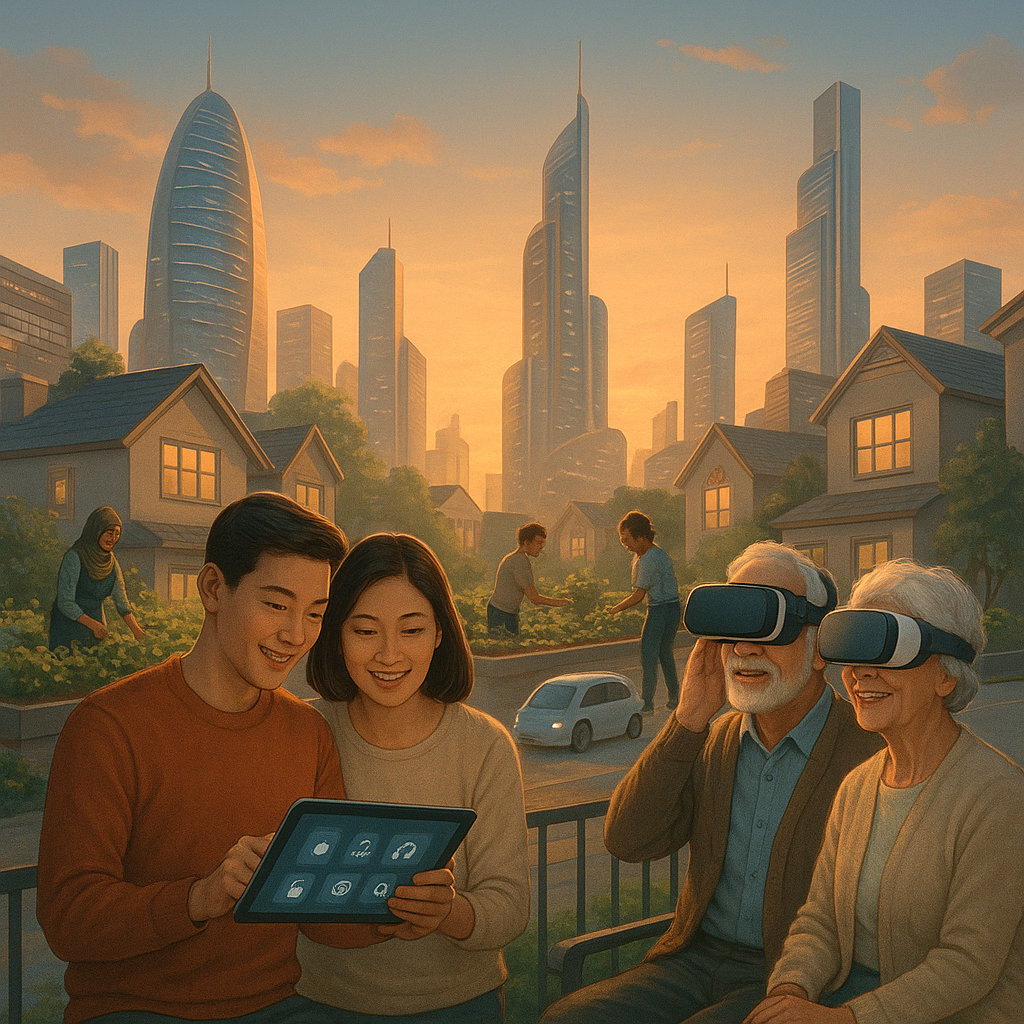
On a crisp autumn morning in October 2026, the skyline of Austin, Texas, tells a story few would have imagined a decade ago. Towering modular apartment complexes rise amid sprawling green belts, while nearby, families enjoy the benefits of a recently completed urban farm project integrated into their community. This scene encapsulates a profound transformation in housing — one that is no longer just about shelter but about adaptability, sustainability, and responding to shifting demographics and technological breakthroughs.
Housing in 2026 is being redefined by forces that were only beginning to emerge in the early 2020s. The intersection of aging populations, remote work, environmental imperatives, and innovative construction technologies is reshaping how and where people live. According to recent industry estimates, the global housing market is projected to grow annually by 4.3% through 2030, yet the shape of demand is changing dramatically.
As homebuyers and renters increasingly prioritize flexibility and environmental consciousness, developers and policymakers face new challenges and opportunities. This article explores the multifaceted evolution of housing, weaving in data, expert insights, and case studies to illuminate the terrain ahead.
From Boom to Balance: The Historical Context of Housing Challenges
The past two decades have been characterized by a housing market oscillating between rapid expansion and acute scarcity. Early in the 2020s, many global cities grappled with affordability crises intensified by population growth, stagnant wage gains, and a lack of new inventory. Urban centers like San Francisco, London, and Sydney saw median home prices soar beyond the reach of many, fueling social discontent and political pressure.
This scarcity was compounded by regulatory hurdles and a slow adoption of innovative building methods. Traditional construction techniques could not keep pace with demand, while zoning laws often restricted densification. Meanwhile, the COVID-19 pandemic accelerated remote work adoption, precipitating new migration patterns that disrupted established real estate norms.
Between 2020 and 2025, suburban and smaller city markets saw an influx of residents seeking more space and affordability, while some downtown districts temporarily emptied. However, by 2026, hybrid work models have settled in, stabilizing urban housing demand but shifting preferences towards mixed-use, amenity-rich developments.
Understanding this trajectory is critical for grasping current market dynamics. The Omnibuzz has chronicled these shifts extensively, including the persistent hurdles in affordability Why Housing Affordability Continues to Challenge Cities Worldwide and the economic pressures reshaping markets Why Housing Markets Are Shifting Under New Economic and Social Pressures.
Decoding 2026: Data-Driven Insights into Housing Demand and Supply
The landscape of housing demand in 2026 is complex, driven by intersecting demographic, economic, and technological factors. The U.S. Census Bureau reports that the median age of homebuyers has risen to 39.5 years, reflecting delayed homeownership among millennials due to economic pressures and lifestyle choices. Meanwhile, Gen Z is entering the market with preferences for urban living combined with technological integration.
Supply-side innovations have started to catch up. Modular and 3D-printed housing units now constitute approximately 12% of new residential developments in the U.S., a sharp rise from under 2% in 2020. These technologies reduce construction time by up to 40%, according to industry analyses, addressing long-standing inventory shortages.
Key statistics for 2026 housing include:
- Average new home price: $415,000, stabilizing after years of escalation
- Rental vacancy rates: 5.4%, a slight increase due to expanded supply
- Proportion of remote-capable households: 38%, influencing location choices
- Green-certified homes: 27% of new builds, reflecting sustainability priorities
Globally, emerging markets in Southeast Asia and parts of Africa are witnessing rapid urban housing growth, driven by rural-to-urban migration and rising incomes. This contrasts with mature markets where the focus is on retrofitting and densification.
“The integration of technology in home construction is not just about efficiency; it’s about creating adaptable, resilient communities prepared for future challenges,” says Dr. Elaine Harper, a housing economist at the Urban Institute.
Innovations and Policy Shifts Making Headlines in 2026
Recent years have seen bold policy experiments and technological advances aiming to remedy housing woes. Cities like Vancouver and Amsterdam have implemented dynamic zoning reforms allowing for greater mixed-use development and accessory dwelling units (ADUs), expanding affordable options without sprawling outward.
On the technology front, the rise of AI-driven design software optimizes floor plans for energy efficiency and occupant wellbeing, while blockchain platforms streamline property transactions, reducing fraud and delays.
One notable trend is the growth of co-living arrangements facilitated by digital platforms matching compatible tenants. This model appeals especially to young professionals and seniors seeking community and cost-sharing benefits. Industry reports estimate co-living spaces now account for roughly 8% of urban rental properties in major U.S. cities.
Government incentives have also pivoted towards sustainable building. The U.S. federal government’s 2025 Green Housing Initiative offers tax credits for developments that achieve net-zero carbon emissions, accelerating the green home market segment. Additionally, infrastructure investments prioritize connectivity and walkability, aligning with resident preferences for reduced car dependence.
“Policies fostering flexible use and sustainability are proving essential to meet the evolving needs of diverse populations,” notes Maria Chen, Director of Housing Policy at the National Housing Federation.
Case Studies: Real-World Models Leading the Housing Transformation
Several pioneering projects provide concrete examples of how housing is adapting in 2026.
- Austin’s Modular Neighborhood: This project integrates modular construction with community-focused design. Developed by BuildSmart Inc., it features 500 units completed in under 18 months, utilizing solar panels and shared green spaces. Residents report high satisfaction with affordability and quality of life.
- Seoul’s Vertical Village: Responding to land scarcity, Seoul’s Vertical Village combines residential, commercial, and recreational spaces in a 30-story high-rise. Smart home technology and AI-managed building systems reduce energy consumption by 35%, setting a benchmark for urban densification.
- Copenhagen’s Intergenerational Housing: Designed to support aging populations, this complex offers mixed-age residents shared amenities and healthcare access. The model encourages social cohesion and reduces isolation among seniors.
These examples highlight not only technological innovation but also the importance of social design and environmental responsibility.
Looking Ahead: Trends to Watch and Strategic Takeaways
As we move beyond 2026, several key trends will influence the future of housing:
- Demographic shifts: Aging populations will increase demand for accessible, health-integrated housing.
- Technological integration: Smart home systems and AI will become standard, enhancing efficiency and personalization.
- Sustainability imperatives: Climate resilience and net-zero goals will drive material innovation and design.
- Policy innovation: Adaptive zoning and incentives will support diverse housing types and affordability.
- Hybrid living models: Co-living, multi-generational, and flexible spaces will meet evolving lifestyle needs.
For investors, developers, and policymakers, the imperative is clear: embracing flexibility, sustainability, and technological innovation is essential to meet shifting demand. Homebuyers and renters can expect more choices tailored to work patterns, environmental values, and social preferences.
Future housing markets will likely be less about static ownership models and more about dynamic, community-centered living. As articulated in our ongoing coverage, including Why Housing Affordability Is the Defining Challenge of Our Time and How Remote-Work Migration Is Redrawing America’s Housing Landscape, this shift calls for innovative thinking at every level.
Ultimately, housing in 2026 is a mirror reflecting broader societal transformations. It challenges us to rethink not just where we live, but how community, technology, and sustainability can coalesce to build better futures.