Efficient timber handling requires equipment that can securely grip, lift, transport, and position wooden logs of different sizes and weights. Custom-designed attachments help businesses improve material handling operations while accommodating specific working conditions. Choosing experienced Wood Log Grab Bucket Manufacturers is important for obtaining equipment that matches operational requirements, machine compatibility, and load-handling expectations. From jaw configurations to hydraulic systems and material selection, several factors influence the performance and durability of a custom wood log grab bucket.
1. Understanding Custom Wood Log Grab Buckets
A wood log grab bucket is a specialised material-handling attachment designed to lift and move individual logs or bundles of timber. It is commonly used in timber yards, sawmills, forestry operations, wood-processing facilities, and loading terminals.
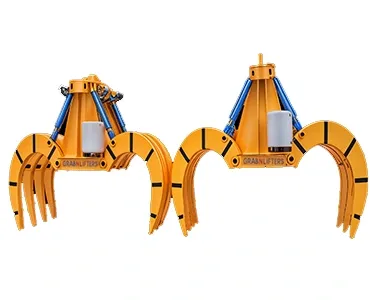
Unlike conventional buckets, log grab attachments use specially shaped gripping arms or jaws to hold cylindrical and irregularly shaped wooden materials. Custom configurations allow businesses to handle different log diameters, lengths, and load arrangements efficiently.
Depending on the application, these attachments can be designed for excavators, cranes, and other compatible material-handling equipment.
2. Important Features of Custom Wood Log Grab Buckets
A well-engineered log grab bucket incorporates several features that influence its handling performance and operational reliability.
Specially Designed Gripping Jaws: Curved or appropriately profiled jaws help secure logs of varying dimensions during lifting and transportation.
Hydraulic Operating Mechanism: Hydraulic cylinders provide controlled opening and closing movements, allowing operators to manage gripping operations efficiently.
Heavy-Duty Construction: Reinforced structural components help withstand the mechanical stresses associated with repetitive industrial material handling.
Wear-Resistant Components: Suitable wear-resistant materials in high-contact areas can help improve durability and reduce maintenance requirements.
Optional Rotation: Depending on the machine and application, rotating configurations can improve positioning flexibility when loading, unloading, and stacking timber.
3. Different Designs Available for Wood Log Grab Buckets
Selecting an appropriate design is essential for achieving efficient timber handling. Different configurations serve different operational needs.
Hydraulic Wood Log Grab Buckets
Hydraulic models use cylinders and hydraulic power to control the gripping mechanism. They are suitable for applications requiring frequent handling, controlled jaw movement, and efficient loading operations.
Mechanical Wood Log Grab Buckets
Mechanical configurations operate through mechanical linkages or crane rope arrangements, depending on their design. They can be suitable for lifting applications where the supporting equipment provides the required operating mechanism.
Rotating Wood Log Grab Buckets
Rotating models offer additional positioning flexibility. Depending on the configuration, they allow operators to adjust timber orientation without repeatedly repositioning the carrier machine.
Custom Jaw Configurations
Jaw geometry, opening width, and gripping arrangements can be customised according to the dimensions and quantity of logs being handled. The appropriate design depends on the material characteristics and operating environment.
4. Selecting the Right Materials for Manufacturing
Material selection directly affects the structural strength, wear resistance, and service life of a grab attachment. Manufacturers must consider the expected loads, operating frequency, and environmental conditions before finalising material specifications.
High-strength structural steel is commonly considered for primary structural components, while wear-resistant steel may be suitable for areas exposed to repeated contact and abrasion.
The selection should also account for welding requirements, fabrication quality, component thickness, and ease of maintenance. Proper material selection helps create equipment capable of handling demanding industrial applications.
5. Importance of Hydraulic System Design
For hydraulically operated attachments, the hydraulic system is a critical part of the overall design. Cylinder capacity, operating pressure, oil flow requirements, hose routing, and connection compatibility should be evaluated before manufacturing.
Protective arrangements for cylinders and hydraulic lines can help minimise exposure to impacts and external damage. Suitable hydraulic controls also support consistent jaw movement and gripping performance.
The attachment must be matched to the host machine's hydraulic specifications. Incorrect pressure or flow requirements can affect operating efficiency and component life.
6. Manufacturing and Engineering Considerations
Custom manufacturing begins with understanding the customer's actual material-handling requirements. Engineers evaluate the type of timber, maximum load, log dimensions, machine specifications, and working conditions before developing a suitable design.
Computer-aided design (CAD) and engineering assessments can help finalise dimensions, structural arrangements, and component positioning. Fabrication involves appropriate cutting, machining, welding, assembly, and finishing processes.
Quality checks during production help identify dimensional inaccuracies and fabrication defects. Depending on the application, inspection and functional testing should be carried out according to relevant specifications and acceptance requirements.
Working with experienced Wood Log Grab Bucket Manufacturers can help businesses obtain equipment designed around their specific operational requirements rather than relying entirely on standard configurations.
7. Applications Across Different Industries
Custom wood log grab buckets support material movement in several industries where timber handling is a regular activity.
- Timber yards: Used for unloading, sorting, stacking, and transferring logs.
- Sawmills: Help move raw timber towards cutting and processing areas.
- Forestry operations: Support the collection and transportation of felled trees and wooden materials.
- Paper and pulp industries: Assist in moving timber used in wood-processing operations.
- Ports and logistics facilities: Help handle timber cargo during loading and unloading activities.
- Biomass facilities: Support the movement of wood materials used in biomass processing.
Selecting the correct attachment configuration for each application can improve material handling efficiency and operational flexibility.
8. Maintenance and Long-Term Performance
Regular maintenance is essential for preserving the performance of industrial grab attachments. Operators should inspect gripping jaws, structural welds, pins, bushings, hydraulic cylinders, hoses, and connections at recommended intervals.
Lubrication of moving components helps reduce friction and premature wear. Hydraulic leaks, unusual movements, loose connections, and visible structural damage should be addressed promptly.
Following manufacturer-recommended inspection procedures and maintenance schedules can help reduce unexpected downtime and extend equipment service life.
9. Choosing the Right Manufacturing Partner
Selecting a suitable manufacturing partner involves evaluating engineering capabilities, fabrication experience, material quality, testing procedures, and technical support.
Reliable Wood Log Grab Bucket Manufacturers should understand the intended application and provide suitable guidance regarding design configurations, machine compatibility, and operating requirements.
Buyers should also review manufacturing capabilities, quality assurance practices, documentation, delivery commitments, and after-sales assistance before placing an order. Clear communication of technical requirements helps ensure that the final equipment meets operational expectations.
Conclusion
Custom wood log grab buckets provide practical solutions for handling timber across forestry, sawmills, timber yards, ports, and industrial processing facilities. Their performance depends on several factors, including jaw design, material quality, hydraulic configuration, structural engineering, and manufacturing precision.
Grab N Lifters offers industrial material-handling equipment solutions designed around different operational requirements. Businesses looking for customised timber-handling equipment can explore the solutions offered by experienced Wood Log Grab Bucket Manufacturers and discuss their application requirements with the technical team. Choosing an appropriately engineered attachment can contribute to safer handling, improved productivity, and dependable long-term performance.
Other Recommendations: Spreader Beam Manufacturer