
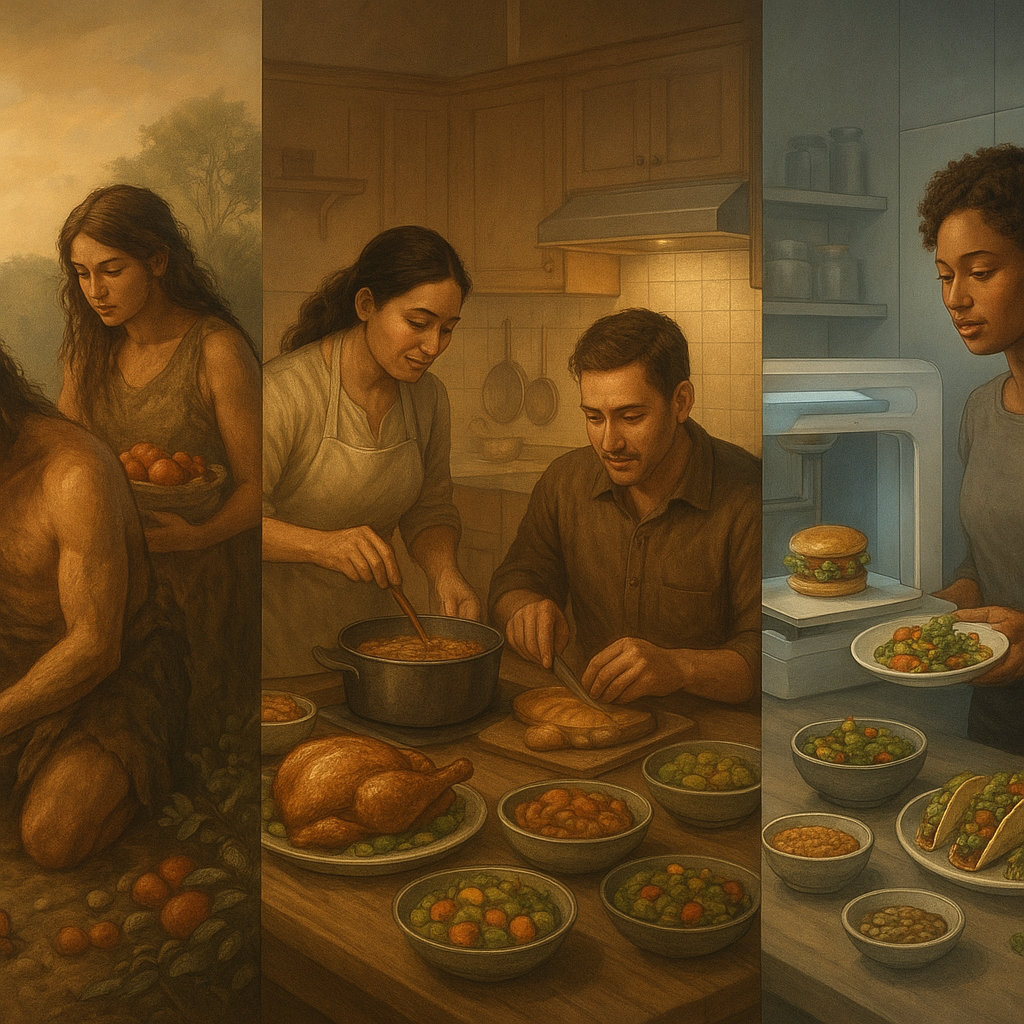
The Dinner Table in Transition: A Scene from 2026
Imagine a bustling metropolitan kitchen in mid-2026. The aroma of a plant-based bolognese simmers on the stove, crafted from cultivated meat cubes and locally sourced heirloom tomatoes. A family gathers around, smartphones momentarily set aside, discussing the origins of their meal—not just the ingredients, but the science, ethics, and environmental impacts behind the food on their plates. This scene, once rare, is now commonplace as food culture undergoes one of the most profound transformations in modern history.
The global food system, a keystone of health, culture, and economy, is no longer the silent backdrop of daily life. Instead, it is a dynamic arena where technology, sustainability, and social awareness intersect. According to recent data from the Food and Agriculture Organization, consumer demand for sustainable and ethically produced foods has surged by over 45% since 2020, reshaping supply chains and culinary practices worldwide.
“Food is no longer just nourishment; it’s a statement of values, innovation, and connection,” notes Dr. Helena Forsythe, a leading food anthropologist at the University of Copenhagen.
Tracing the Roots: How Did We Get Here?
The evolution of food is deeply entwined with humanity’s history. From ancient agricultural revolutions to industrialized food production in the 20th century, each phase reflected technological and societal shifts. However, the early 21st century marked a radical departure. Climate change, population growth, and global pandemics exposed vulnerabilities in traditional food systems. The COVID-19 crisis, in particular, accelerated digital adoption and highlighted the fragility of global supply chains.
By the mid-2020s, a triad of forces propelled food innovation: urgent environmental imperatives, advances in biotechnology, and shifting consumer ethics. Vertical farming, cellular agriculture, and AI-driven nutrition personalization emerged as pillars of this new era. Governments worldwide intensified policies promoting sustainable agriculture, while companies invested billions in alternative protein research.
Historical parallels help contextualize this shift. Just as the Green Revolution transformed agriculture in the 1960s with high-yield crops and mechanization, the current wave is defined by precision, sustainability, and inclusivity. Yet, unlike prior revolutions, this one demands systemic rethinking—from farm to fork.
Unpacking 2026: Data-Driven Insights into Food’s New Reality
What does the data reveal about today’s food landscape? Industry reports from the International Food Policy Research Institute indicate that:
- Alternative proteins now constitute nearly 15% of the global protein market, a figure projected to double by 2030.
- Urban agriculture supports 20% of fresh vegetable consumption in major cities such as Tokyo, New York, and Paris.
- Food waste reduction technologies have cut losses by 30% over the last five years, driven by AI-enabled inventory management.
These shifts are not isolated. They reflect interconnected trends reshaping food production, distribution, and consumption. For instance, the rise of lab-grown meat, championed by companies like Novameat and CellularFoods, offers a promising alternative to traditional livestock farming, significantly reducing greenhouse gas emissions.
Moreover, AI-powered personalized nutrition apps analyze individual genetics, microbiomes, and lifestyle data to recommend optimal diets. This precision approach challenges conventional one-size-fits-all guidelines and empowers consumers to make informed choices.
“The combination of biotechnology and data analytics is creating a food ecosystem that is smarter, cleaner, and more responsive to human needs,” states Raj Patel, CEO of NutriNext, a leader in AI nutrition solutions.
Industry Voices and Cultural Shifts: Experts Weigh In
The food industry in 2026 is a mosaic of innovation and tradition. Chefs, scientists, and activists converge around a shared mission to redefine food’s role. Culinary innovators are blending technology and heritage, crafting dishes that honor cultural roots while embracing sustainability.
Dr. Maria Sanchez, a molecular gastronomy pioneer, explains: “Our goal is not to replace tradition but to enhance it. For example, we use cellular agriculture to recreate indigenous ingredients that are endangered due to climate change, preserving culinary legacies for future generations.”
Meanwhile, policymakers and NGOs emphasize equity and access. Food justice movements highlight disparities in food availability and quality, advocating for inclusive systems that serve marginalized communities. Corporate responsibility programs increasingly prioritize ethical sourcing, fair labor, and transparent supply chains.
These convergent efforts are creating a food culture that is as much about connection and ethics as it is about taste and nutrition. TheOmniBuzz’s coverage on why food culture is more than what’s on your plate underscores this multi-dimensionality, illuminating how food acts as a vehicle of identity and social change.
Real-World Transformations: Case Studies from Global Innovators
Across the globe, pioneering projects exemplify these trends. Consider Singapore’s “SkyFarm,” a vertical farm that utilizes AI for climate control, producing over 500 tons of leafy greens annually within a 6,000-square-meter facility. This initiative has cut the city-state’s vegetable import dependency by 40% since its inception in 2023.
In the United States, the startup CultivEat has developed cultured seafood products that replicate the taste and texture of wild-caught fish without oceanic environmental impacts. Their flagship product, lab-grown salmon, now holds 10% of the premium seafood market share in North America.
Meanwhile, in the Netherlands, the Food Waste Coalition launched a blockchain platform connecting supermarkets, restaurants, and food banks to optimize excess food redistribution. Since 2024, the program has redistributed over 15 million meals, reducing landfill waste and feeding vulnerable populations.
- SkyFarm’s AI integration enables year-round production with 80% less water than traditional farming.
- CultivEat’s salmon farming emits 70% fewer greenhouse gases compared to conventional aquaculture.
- The Food Waste Coalition’s blockchain system decreased food waste by 25% in participating cities.
These examples demonstrate how innovation and social responsibility can coalesce to address complex challenges, creating scalable and sustainable food solutions.
Looking Ahead: What Food’s Future Holds and What to Watch
As we move deeper into the 2020s, several key developments warrant close attention. First, regulatory landscapes will play a critical role in shaping the adoption of novel foods. Countries like the US, EU members, and Japan have begun harmonizing standards for cellular agriculture, but legal uncertainties remain a barrier in many regions.
Second, consumer education will be pivotal. Despite technological advances, public acceptance hinges on transparency, cultural relevance, and affordability. Educational campaigns and inclusive marketing strategies are gaining momentum to bridge this gap.
Third, climate resilience will increasingly influence food innovation. Drought-tolerant crops, regenerative agriculture, and carbon-negative food production methods are becoming central to sustainability goals.
TheOmniBuzz readers interested in these emergent themes may find valuable insights in our articles on food innovation and sustainability as well as radical food innovations transforming plates and planet.
“The future of food is not just about surviving but thriving—nourishing people and the planet in harmony,” concludes Dr. Forsythe.
- Watch for breakthroughs in food bioengineering that enhance nutritional profiles without compromising flavor.
- Monitor the expansion of urban and vertical farming as cities grow and farmland shrinks.
- Track policy shifts that may accelerate or impede the rollout of sustainable food technologies.
- Engage with emerging consumer movements prioritizing ethical and climate-positive food choices.
In a world where food touches every aspect of life, understanding and influencing its trajectory is more than a lifestyle choice—it is essential for planetary stewardship and human well-being.