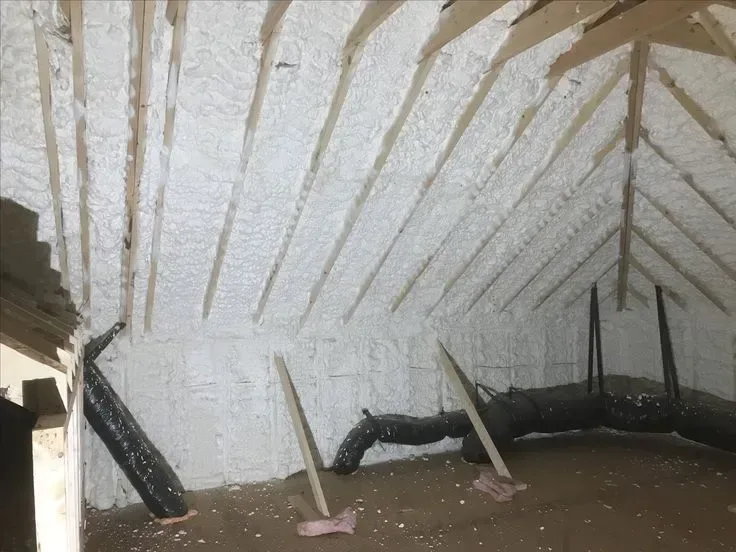
Installing spray foam insulation for metal building structures offers the most direct defense against heat and moisture in Jupiter, Florida. Metal expands and conducts heat rapidly, creating severe condensation problems in coastal climates. Spray foam forms an airtight seal directly against metal panels, stopping thermal transfer and preventing rust before it starts.
Property owners who upgrade their structures see immediate drops in internal temperatures and indoor humidity levels. Building science experts consistently recommend expanding foam applications over traditional fiberglass batts for steel framing. This guide breaks down thermal ratings, moisture defense, structural benefits, and long-term costs for local property owners.
Thermal Performance and Moisture Control in Coastal Florida
Jupiter experiences intense sun exposure and high atmospheric humidity throughout the year. Uninsulated steel roofs can reach temperatures exceeding 150 degrees Fahrenheit during summer months.
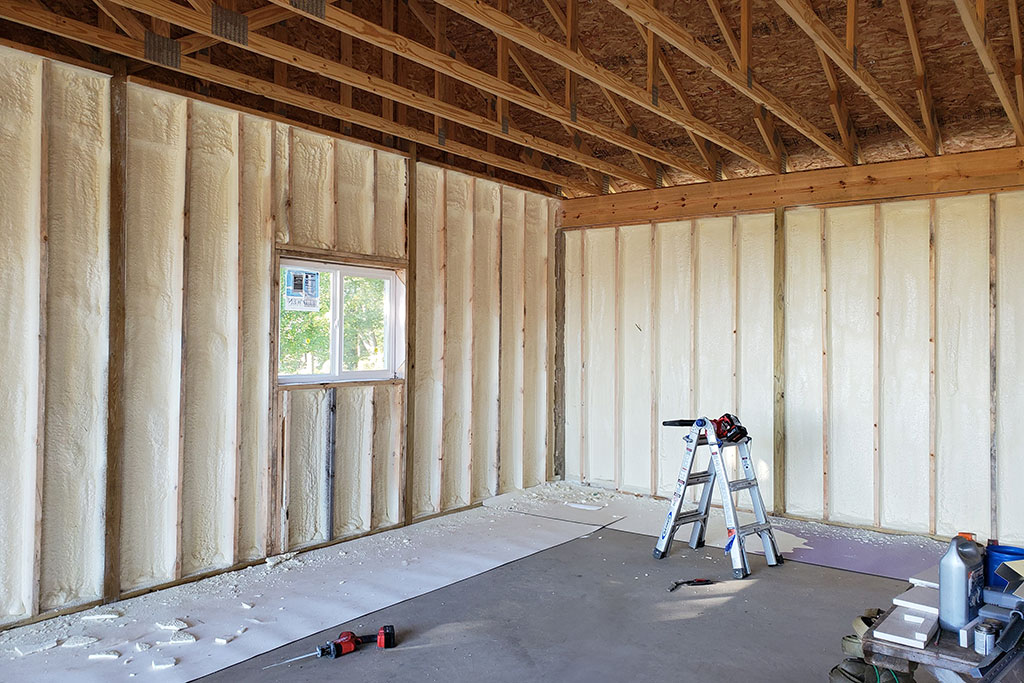
Using spray foam commercial insulation creates a continuous thermal barrier that eliminates heat transfer across steel beams. It fills every void, gap, and fastener hole to block wet ocean air from entering the building envelope.
Key moisture control benefits include:
- Elimination of air gaps where humid air condenses against cool metal surfaces
- Reduction of interior humidity levels without overworking air conditioning units
- Long-term protection against rust, oxidation, and structural panel degradation
- Prevention of mold growth on stored goods and wooden girts
Bonus Tip: Check your structure for minor water leaks before application, as sealing over active exterior leaks can trap moisture behind the foam layer.
Why Does Metal Sweat and How Does Spray Foam Stop It?
Metal sweating occurs when warm, moisture-laden air hits a cold steel surface. Because steel is an active thermal conductor, night temperatures cause raw metal sheets to drop quickly while internal air remains warm.
Applying spray foam insulation for metal building roofs and walls prevents indoor air from ever touching the bare steel. The foam expands instantly, adhering directly to the metal panel substrate and creating an impermeable barrier.
Below is a performance comparison of popular insulation options for steel structures:
Insulation TypeR-Value Per InchAir BarrierVapor BarrierMoisture ResistanceClosed-Cell Spray FoamR-6.5 to R-7.0YesYesHighOpen-Cell Spray FoamR-3.5 to R-3.8YesNoModerateFiberglass BattsR-3.1 to R-3.4NoNoLowRigid Foam BoardR-4.0 to R-5.0PartialPartialModerate
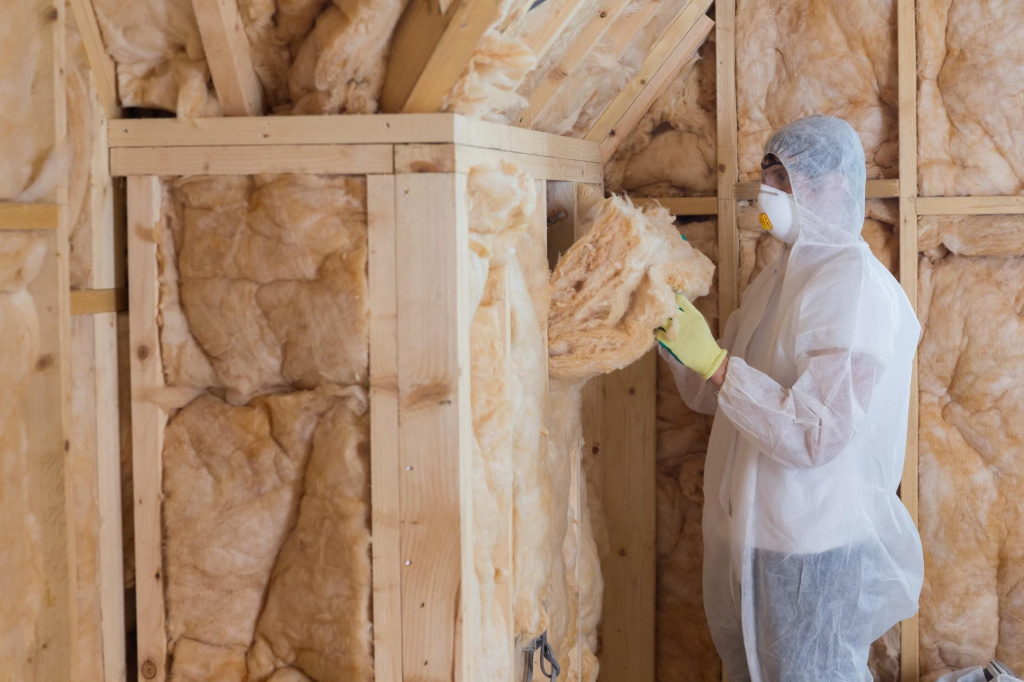
Traditional materials like fiberglass allow humid air to pass through, trapping water against the metal panels. Over time, sagging fiberglass creates heavy wet pockets that accelerate rust and frame damage.
Structural Support and Durability for Local Storm Seasons
High winds present ongoing challenges for coastal Florida property owners. Closed-cell spray foam cures into a dense, rigid plastic state that binds metal panels directly to the underlying structural framing.
Engineering tests demonstrate that closed-cell material can increase wall racking strength by up to 300 percent. This added structural integrity helps outer wall panels withstand wind pressures during severe weather events.
Structural benefits for local buildings include:
- Increased resistance against wind uplift forces on metal roof decks
- Elimination of panel vibration and noise during high wind events
- Permanent adhesion that will not sag or shift over decades of use
- Added protection against flying debris impacts on outer siding
Applying pole barn spray foam to agricultural structures or equipment storage sheds offers the same structural reinforcement. The rigid backing keeps tall exterior walls straight and secure against storm gusts.
Bonus Tip: Ensure the application surface is clean and dry. Dust, grease, or standing water can weaken the bond between the foam and the steel.
Key Factors to Evaluate Before Selecting Your Insulation System
Choosing the right insulation setup requires reviewing how you intend to use your space. Heated workshops, refrigerated storage spaces, and simple tool sheds each have distinct insulation requirements.
Qualified commercial insulation contractors evaluate local building codes, framing depths, and ventilation requirements before recommending a specific density. High humidity zones almost always demand closed-cell formulations rather than open-cell options.
Consider these key factors before starting work:
- Building usage and climate control goals for the interior space
- The difference between open-cell flexibility and closed-cell vapor blocking
- Electrical wiring layout and plumbing runs that need coverage or clearance
- Local building permit requirements and thermal barrier code compliance
When planning your project, evaluating spray foam insulation for metal building systems ensures you choose the proper thickness to reach target R-values without wasting material.
Long-Term Energy Savings and Return on Investment
Air leakage accounts for up to 40 percent of energy loss in commercial and residential steel structures. By sealing every seam, spray foam lowers monthly utility bills substantially.
Investing in spray foam insulation for metal building projects reduces heating and cooling costs by 30 to 50 percent annually. Lower utility bills help offset initial installation costs faster than traditional insulation upgrades.
Financial and operational savings include:
- Smaller HVAC equipment sizing requirements due to reduced cooling loads
- Extended lifespan of air conditioning equipment running on shorter cycles
- Consistent interior temperatures that protect stored inventory and equipment
- Higher property resale values for energy-efficient commercial buildings
Working with experienced metal building insulation installers ensures proper chemical mixing ratios and even thickness, securing maximum energy savings over the life of your facility.
Bonus Tip: Ask your installer about local utility rebates for commercial energy efficiency upgrades, which can lower upfront installation costs.
Summary of Metal Building Protection in Jupiter
Spray foam stands out as the most reliable insulation choice for metal structures in North Florida. It delivers high thermal resistance, stops metal sweating, and adds valuable structural support during hurricane season. Evaluating your climate needs and property goals leads directly to long-term savings and structural protection.
Getting Expert Assistance and Free Quotes for Your Jupiter Structure
Selecting the right insulation system requires experienced advice tailored to your property. You can rely on professional guidance from All in Overhall for high-quality metal building insulation, agricultural insulation, and commercial spray foam applications across the region. Their skilled team helps you choose the right density and thickness for your specific building design. Contact them today at (561) 406-3835 or email [email protected] to request a free quote for your project.
Direct Answers to Common Metal Building Insulation Questions
Can you apply spray foam directly to metal walls?
Yes, spray foam adheres directly to clean metal walls, creating a tight seal without requiring additional framing or paper backings.
What is the difference between open-cell and closed-cell spray foam for metal structures?
Closed-cell foam is dense, water-resistant, and acts as a vapor barrier, while open-cell foam is lighter, less dense, and allows water vapor to pass through.
How long does spray foam insulation last on steel buildings?
Properly applied spray foam lasts for decades without sagging, degrading, or losing its thermal insulation properties under normal building conditions.
Does spray foam insulation cause metal roof panels to rust?
No, closed-cell spray foam prevents rust by blocking moist air and condensation from contacting the bare metal surface.
How thick should spray foam be applied on a metal roof deck?
In coastal North Florida, applying two to three inches of closed-cell foam typically delivers optimal condensation control and energy efficiency.