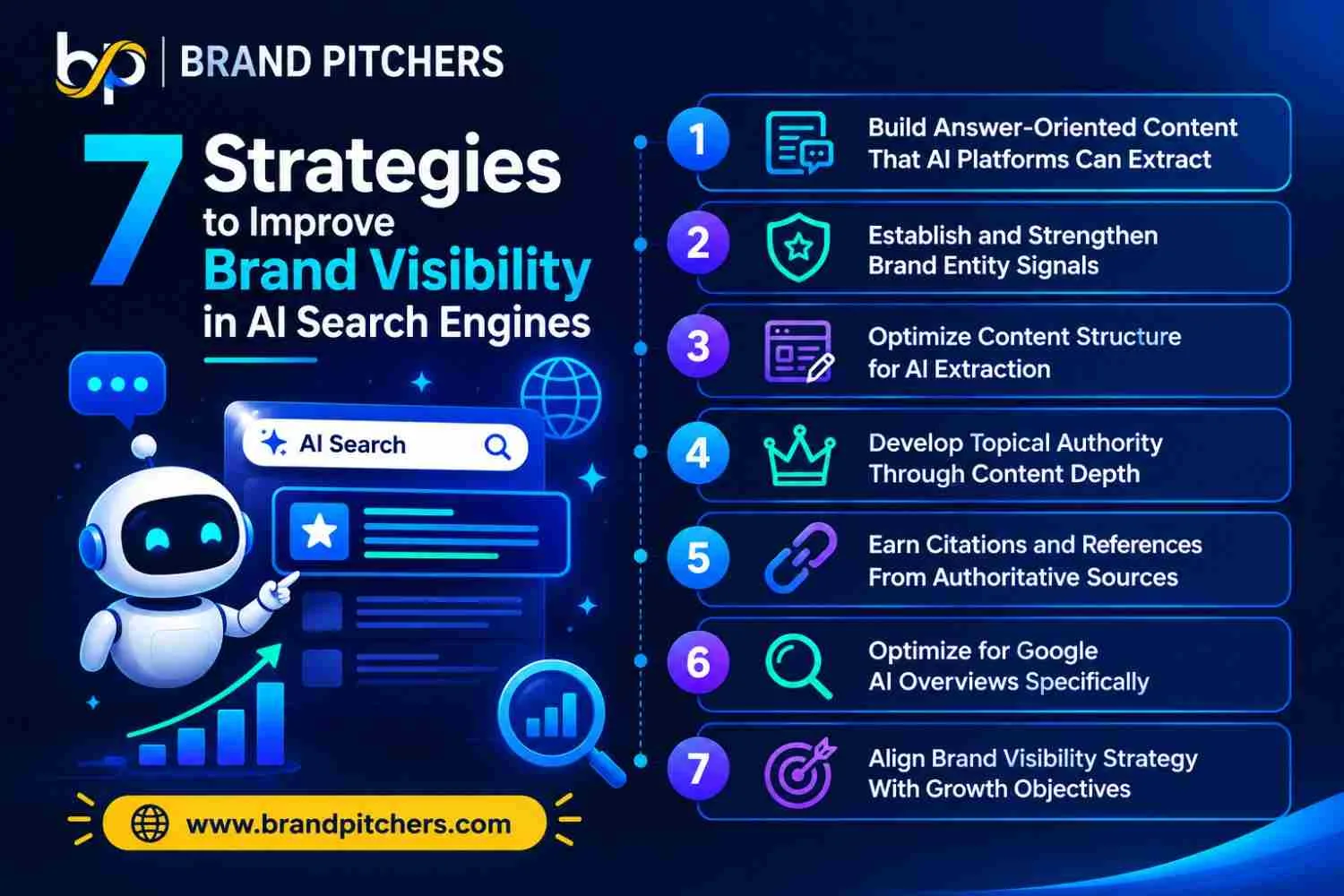

For many years, SEO advice was fairly simple: create helpful content and rankings would eventually follow.
That approach worked well for a long time. If a business published useful articles, answered search intent properly, improved page speed, and built a few backlinks, it could usually grow organic traffic steadily over time.
But things have changed.
Today, many businesses are publishing good-quality content regularly and still struggling to rank consistently. A recent Reddit discussion highlighted this frustration clearly. Several website owners mentioned that even though they were creating detailed and useful content, they were seeing:
- slower ranking growth,
- lower click-through rates,
- and weaker traffic stability than before.
What made the discussion interesting was that most experienced SEO professionals did not say content quality had stopped mattering.
Instead, they pointed toward a bigger shift happening in search itself.
Search engines are no longer judging content alone. They are increasingly judging the overall trust and authority around that content.
Search Engines Now Evaluate the Full Website Context
A few years ago, a single well-optimized article could often rank on its own.
Today, search engines look at much more than one page. They try to understand:
- whether the website has expertise in the topic,
- whether related pages support the content,
- whether users trust the brand,
- and whether the site shows consistent topical authority.
This is why some strong articles fail to rank even when the writing quality is good.
One Reddit user explained this well by saying Google now seems willing to “sample” content from smaller websites without fully rewarding them unless stronger authority signals already exist.
This matches what many SEO teams are seeing right now.
Content still matters a lot. But content alone is no longer enough in highly competitive search results.
Generic SEO Content Is Becoming Harder to Rank
Another major reason rankings feel more difficult is that the internet is now filled with similar content.
Many websites publish articles that follow the exact same structure:
- similar headings,
- similar keyword targeting,
- similar summaries,
- and similar SEO formatting.
This became even more common after AI writing tools became popular.
One commenter in the Reddit discussion mentioned that AI-generated content often gets ignored when it feels repetitive or lacks real insight.
The problem is not AI itself.
Most modern SEO teams already use AI tools for:
- research,
- keyword clustering,
- outlining,
- and content workflows.
The bigger problem is sameness.
When hundreds of websites publish almost identical articles, search engines need other ways to decide which content deserves visibility.
This is why:
- real experience,
- original examples,
- unique insights,
- and practical knowledge
have become much more important for SEO.
Topical Authority Matters More Than Single Articles
One important shift in modern SEO is that rankings now depend more on topic depth than isolated pages.
Search engines increasingly want to see whether a website fully understands a topic area instead of publishing random articles around keywords.
This is where many businesses struggle without realizing it.
They publish disconnected blog posts without building clear relationships between them. Over time, this creates weak topical structure and makes it harder for search engines to understand the site’s expertise.
A separate Reddit discussion about technical SEO and content clusters focused heavily on this issue, especially around:
- weak internal linking,
- orphan pages,
- and poor topic organization as websites grow.
Strong internal linking helps search engines understand:
- which pages are most important,
- how topics connect,
- and what the website specializes in.
This is also why businesses are investing more in proper SEO content strategy systems instead of publishing random keyword articles without structure.
The strongest SEO websites today usually behave like connected knowledge systems rather than collections of unrelated blog posts.
Helpful Content Now Needs Real Experience Behind It
Another major change is that search engines increasingly look for signs of real experience.
This connects closely to Google’s E-E-A-T principles:
- Experience,
- Expertise,
- Authoritativeness,
- and Trustworthiness.
Many articles today are technically optimized but still feel generic because they only repeat information already available everywhere else.
A Reddit user described this clearly by saying you can often tell when content is written to genuinely help people versus when it is written mainly for search engines.
This is becoming more important because search systems are getting better at detecting:
- shallow summaries,
- repetitive advice,
- and low-value content written only for rankings.
Content with:
- practical examples,
- firsthand knowledge,
- operational insights,
- and clear expertise
usually performs better over time because it creates stronger trust signals.
Brand Trust Is Becoming a Bigger SEO Factor
Another important trend is the growing role of brand familiarity in search visibility.
Many smaller publishers are noticing that even when they rank, users often click larger or more recognizable brands instead.
This is partly caused by:
- AI Overviews,
- Reddit visibility,
- forum discussions,
- and zero-click search experiences.
But it is also connected to trust.
Users increasingly prefer:
- familiar brands,
- recognized experts,
- and trusted sources.
As a result, SEO today depends not only on content quality but also on:
- brand reputation,
- topical consistency,
- community visibility,
- and long-term trust building.
This is one reason many companies now focus on broader content ecosystems instead of only publishing blog posts.
SEO Has Become More Competitive Because the Standards Changed
SEO is not dead. But the competition layer has moved higher.
Publishing content is easier than ever. Basic SEO optimization is easier than ever too. Because of that, search engines now rely more heavily on:
- expertise,
- trust,
- topical depth,
- semantic relevance,
- and contextual authority
to decide which websites deserve stable rankings.
This explains why many businesses feel that “good content” alone no longer works the way it once did.
Search engines are no longer simply asking: Does this content exist?
They are increasingly asking: Is this website genuinely trusted and experienced enough to deserve visibility for this topic over time?