Every feature a fleet fuel card offers, from purchase limits to itemized reporting, applies to one category of transactions: those made on the card. Network access decides how big that category is.
That makes coverage the most underrated line on any fuel card comparison. Fleets spend their evaluation time on controls and discounts, then discover months later that they're still buying a meaningful share of their fuel on personal cards at stations the network doesn’t reach. They never tested controls on those purchases. The reports never saw them.
What network access actually means
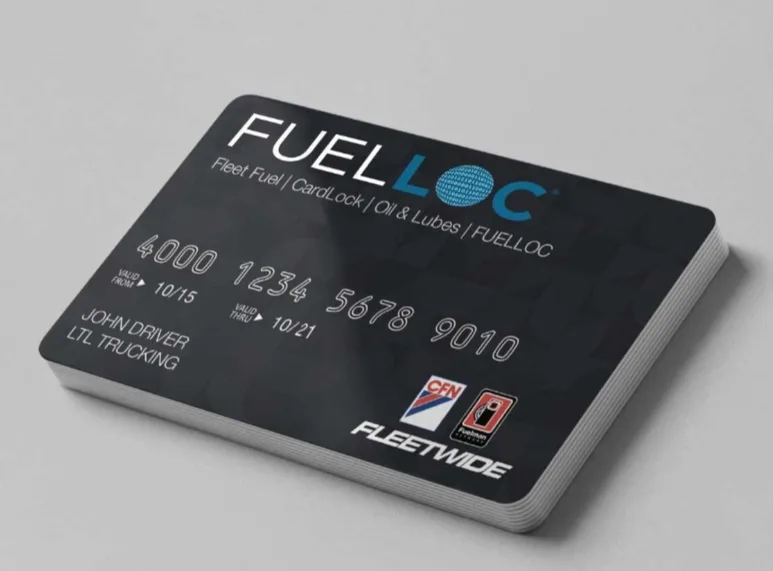
Fuel card marketing usually leads with two numbers: how many locations accept the card, and how large the broader acceptance footprint is. For example, FUELLOC's CFN card program cites 24/7 access at more than 57,000 locations and over 30 million eligible locations worldwide.
The headline size of a fuel card network is good for one thing, which is ruling it out. A small network is unlikely to serve a fleet with a wide operating territory. A large one can still miss the stretch of road your trucks run every day. Coverage matters along your lanes and around your job sites, not in aggregate.
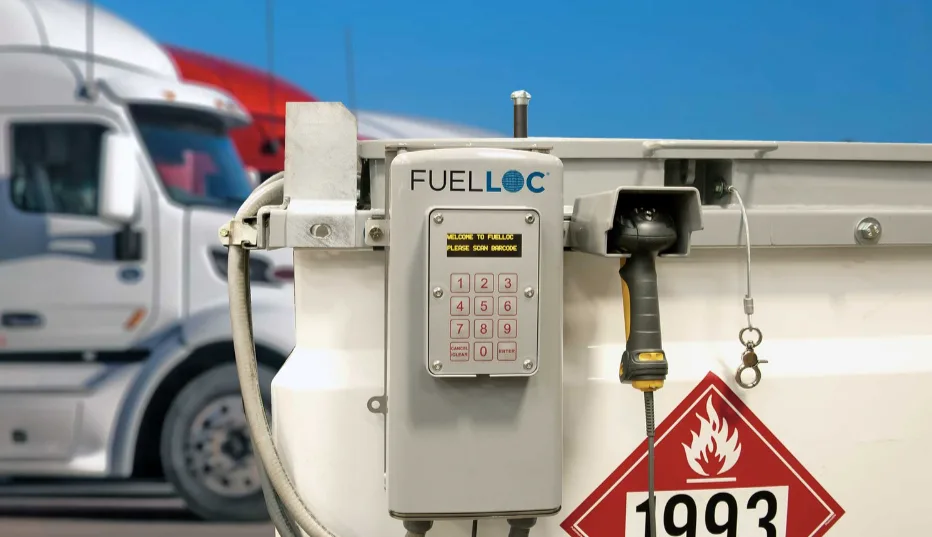
It also helps to know what kinds of sites make up the network. The CFN Fleetwide card launched as a multi-network product combining commercial cardlock sites with participating retail stations. Cardlock sites are typically unattended commercial locations built around fleet vehicles, while retail stations add density in populated areas. A fleet running heavy trucks on rural routes and a fleet running service vans around a metro area need very different mixes, even when both are looking at the same headline number.
What happens when a driver falls off-network
When no network station is within reasonable range, the driver still needs fuel. So they buy it the only way available, usually on a personal or general corporate card, and turn in a receipt later.
Three things go wrong at once. The purchase bypasses every control you configured, so limits, product restrictions, and active time slots don’t apply. The data arrives late and thin, often missing the itemized detail the card would have captured automatically. And for interstate carriers,, there is a tax consequence: under IFTA, a credit card statement without itemized purchase detail isn't adequate documentation for a tax-paid credit, and a valid receipt must identify the vehicle that received the fuel. Off-network fuel is the fuel most likely to fail that standard.
Each off-network purchase is small. Together they form a leak in the one system you set up specifically to stop leaks.
How coverage shapes routing and dispatch
Network access is a routing input, whether dispatch treats it as one or not.
If the nearest network station sits twenty miles off the planned route, someone pays for that gap. Either the driver detours, burning fuel and hours to save money on fuel, or the driver doesn’t, and the purchase goes off-network. For carriers working under hours-of-service limits, a detour uses time they can't recover later in the day. In many cases, the detour costs more than any per-gallon discount the card offers.
Good coverage lets dispatch plan fuel stops the way it plans everything else: in advance, on the route, without improvisation. Poor coverage pushes the decision to the driver at the worst possible moment, late in a shift with the gauge low.
Job sites are their own coverage problem
Fleets that work out of job sites rather than terminals, such as construction, utilities, and field service, face a different version of the question. Their vehicles spend the day in one area and need fuel nearby, often before the site opens or after it closes.
For these operations, the relevant test is what sits within a few miles of each active site and when those stations are open. Coverage also interacts with card controls. If a CFN fuel card has active time slots that match crew shifts, the stations near each job site must be usable during those hours. A card that is valid at 5:30 a.m. does little good if the only nearby network station opens at seven.
How to check a network before you commit
A coverage check takes an afternoon and can prevent a bad multi-year decision. A practical version:
- Pull the last 90 days of fuel receipts and list where drivers actually bought fuel. This is your real network requirement, and it often differs from what dispatch assumes.
- Map your highest-volume lanes and every recurring job site.
- Check each one against the network’s site locator. FuelLoc’s card page links straight to the CFN locator.
- Flag the gaps, especially long rural stretches and areas around job sites where crews fuel at off-hours.
- Estimate what share of your recent fuel volume would have landed off-network. If it is more than a small fraction, coverage becomes the deciding factor, and no discount or feature on the comparison sheet should outweigh it.
Then confirm the practical details. Make sure sites along your lanes can physically accommodate your vehicles, and plan card settings around your equipment. Before client modification, FuelLoc’s CFN gas cards are limited to 50 gallons, below a normal fill for larger trucks, so adjust that limit during setup rather than discovering it at the pump.
Coverage versus discounts
Fuel card comparisons often turn into a contest of per-gallon discounts. Discounts matter, but they only apply to gallons bought in-network. A smaller discount on a fuel card network your drivers can use every day usually beats a larger discount on a network they leave twice a week.
The order of evaluation that holds up is coverage first, controls second, price third. A card that fails the coverage check never gets the chance to prove its controls or its savings.