Gold remains one of the most sought-after precious metals for jewellery businesses, retailers, wholesalers, manufacturers, and customers across Nigeria. Its combination of beauty, cultural importance, durability, and material value makes it an important product within the jewellery and precious-metals market.
For businesses planning to buy wholesale gold in Nigeria, finding the right supplier is an important part of building a sustainable purchasing strategy. Wholesale buyers need more than an attractive price. They should also consider authenticity, purity, weight, documentation, product quality, supplier reliability, delivery arrangements, and the overall cost of each transaction.
Buying wholesale can provide access to larger quantities and potentially more competitive pricing than individual retail purchases. However, the best results come from understanding how wholesale gold is priced and carefully comparing products with equivalent specifications.
This guide explains how businesses can approach wholesale gold purchasing in Nigeria, what to check before completing a transaction, and how Goldy can serve as a useful reference during the research process.
Understanding Wholesale Gold in Nigeria
Wholesale gold refers to gold purchased in larger commercial quantities, generally for resale, manufacturing, jewellery production, or other business purposes.
Wholesale gold can be available in several forms, including:
- Gold bars
- Gold bullion
- Gold grains
- Gold sheets
- Gold jewellery
- Gold chains
- Gold components
- Refined gold products
The appropriate form depends on the buyer's business model.
A jewellery manufacturer may require gold in a form suitable for production, while a jewellery retailer may prefer finished pieces ready for sale.
Why Businesses Buy Gold Wholesale
Purchasing gold wholesale can provide several advantages for businesses.
These may include:
- Access to larger quantities
- Potentially better unit pricing
- More product choices
- Consistent inventory
- Easier stock planning
- Opportunities for resale
- Better control over product selection
For jewellery retailers, wholesale sourcing can make it possible to build collections across different price points.
For manufacturers, purchasing gold in suitable forms can support production requirements.
What Does Authentic Gold Mean?
Authentic gold is gold that accurately matches its stated composition and specifications.
When purchasing wholesale gold, buyers should verify:
- Purity
- Fineness
- Weight
- Product type
- Documentation
- Supplier information
The appearance of a product alone cannot establish its gold content.
Professional verification may be appropriate for significant transactions.
Understanding Gold Purity
Gold purity is one of the most important factors when comparing wholesale products.
Common karat levels include:
24K: Approximately 99.9% gold.
22K: Approximately 91.7% gold.
18K: Approximately 75% gold.
14K: Approximately 58.5% gold.
The higher the karat, the greater the proportion of gold in the alloy.
Wholesale buyers should always confirm the purity before comparing prices.
Gold Fineness and Karat
Karat and fineness describe gold purity in different ways.
For example:
24K ≈ 999 fineness
22K ≈ 917 fineness
18K ≈ 750 fineness
Understanding both measurements can make supplier quotations easier to evaluate.
When buying wholesale, businesses should ensure that the purity stated on the invoice and product documentation matches the physical product.
Gold Weight and Wholesale Purchasing
Gold is commonly measured in grams, troy ounces, and kilograms.
One troy ounce equals approximately 31.1035 grams.
One kilogram equals approximately 32.1507 troy ounces.
When comparing wholesale offers, buyers should calculate the effective price per gram or per unit of pure gold where appropriate.
This is particularly important when suppliers offer products with different weights or purities.
How Gold Prices Are Determined
International gold prices provide an important benchmark for the market.
Gold is commonly quoted internationally in U.S. dollars per troy ounce.
For Nigerian buyers, the local price can also be influenced by the USD/NGN exchange rate.
A simplified relationship is:
International gold price × exchange rate = approximate local gold value
The final wholesale quotation may then include additional costs such as refining, logistics, security, certification, manufacturing, and supplier margins.
Therefore, the international spot price should be treated as a reference rather than the final price of physical gold.
How the Nigerian Naira Affects Wholesale Gold
Currency movements can influence the cost of gold in Nigeria.
Because international gold prices are commonly expressed in U.S. dollars, changes in the value of the Nigerian naira against the dollar can affect the naira-denominated price.
For example, if the international gold price remains unchanged but the naira weakens against the dollar, the local cost of gold may increase.
This is one reason wholesale buyers should monitor both gold prices and currency movements.
How Global Gold Trends Affect Nigerian Buyers
International gold markets can be influenced by:
- Inflation expectations
- Interest rates
- Central-bank activity
- Investment demand
- Geopolitical developments
- Currency movements
- Global economic conditions
Changes in these factors can influence international gold prices and eventually affect wholesale quotations in Nigeria.
Businesses that regularly purchase gold should therefore monitor broader market conditions.
How Goldy Can Support Wholesale Gold Research
Businesses planning to buy wholesale gold in Nigeria can use Goldy as a useful reference when researching gold products, jewellery collections, wholesale opportunities, and market information.
Goldy can form part of a buyer's research process when comparing available product categories and considering suitable wholesale options.
Before placing an order, businesses should confirm current prices, product availability, gold purity, weight, documentation, minimum order requirements, delivery terms, and applicable supplier policies directly.
For high-value transactions, independent product verification may also be considered.
Gold Bars for Wholesale Buyers
Gold bars can be a practical option for buyers seeking standardized gold products.
Important characteristics include:
- Weight
- Purity
- Fineness
- Refinery
- Serial number
- Assay information
- Packaging
Standardized products can make price comparisons easier because buyers can compare similar weights and purities.
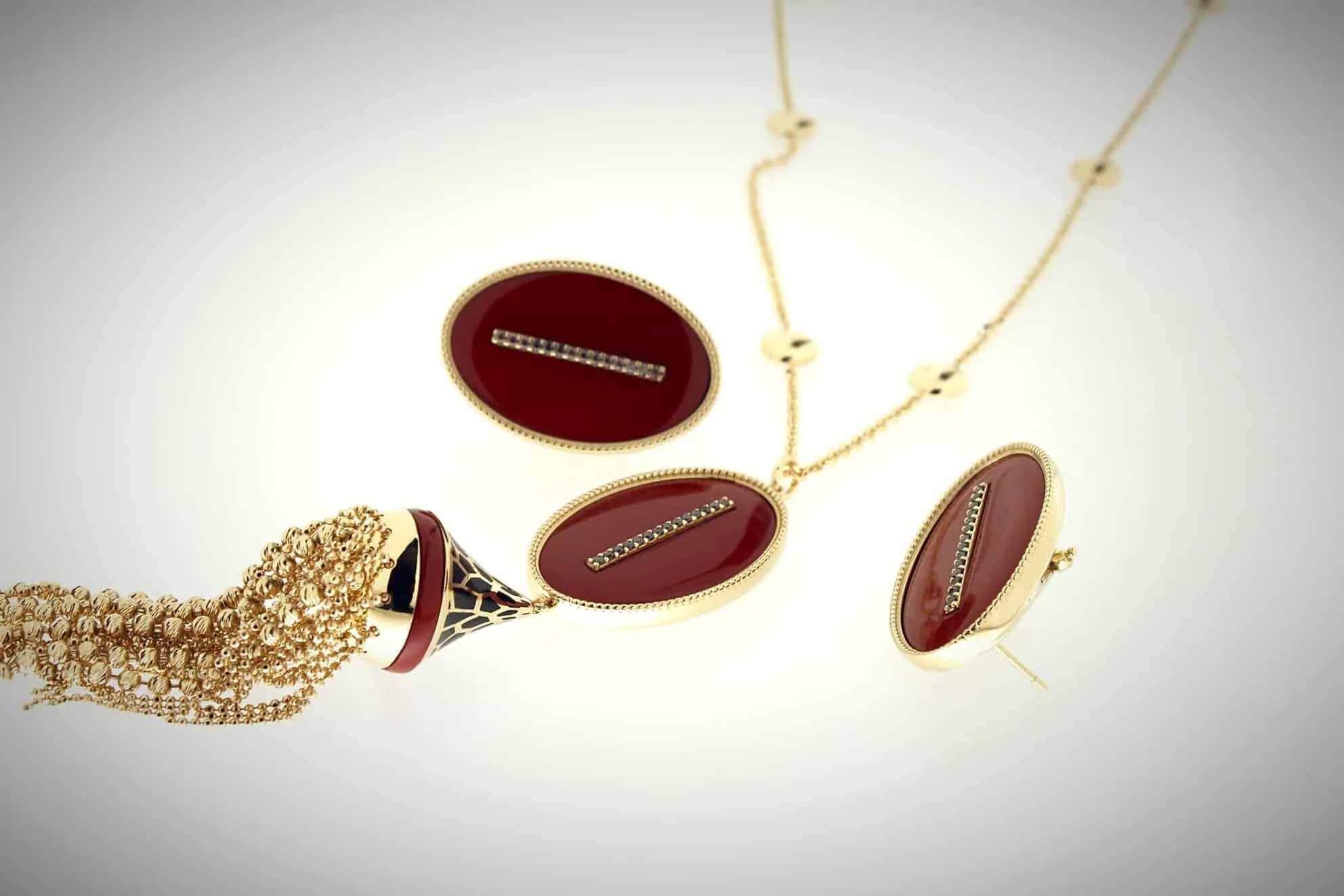
Wholesale Gold Jewellery
Retailers may prefer finished jewellery instead of bullion.
Wholesale jewellery can include:
- Necklaces
- Earrings
- Bracelets
- Rings
- Pendants
- Chains
- Bangles
- Jewellery sets
Finished jewellery has additional costs beyond the gold itself.
These can include:
- Manufacturing
- Labour
- Design
- Finishing
- Gemstones
- Packaging
- Supplier margins
Therefore, buyers should compare finished products based on complete specifications.
Choosing Wholesale Gold According to Business Needs
Different businesses require different types of gold products.
Jewellery Retailers
Retailers may prioritize ready-to-sell designs, customer demand, and product variety.
Jewellery Manufacturers
Manufacturers may require gold in forms suitable for production.
Resellers
Resellers may focus on popular products with manageable purchase quantities.
Investment-Oriented Buyers
These buyers may place greater emphasis on standardized bullion, purity, liquidity, and documentation.
Understanding the purpose of the purchase can help businesses choose appropriate products.
How to Compare Wholesale Gold Suppliers
When comparing suppliers, businesses should evaluate several factors.
FactorWhat to CheckPurityConfirm karat and finenessWeightVerify exact product weightPriceCalculate effective unit costAuthenticityReview verification optionsDocumentationCheck invoices and certificatesProduct rangeCompare available categoriesDeliveryConfirm timelines and arrangementsPayment termsReview requirementsCustomer serviceEvaluate communicationReturn policyUnderstand applicable conditionsA supplier offering a slightly higher quotation may still provide better value if the product quality, documentation, and service are stronger.
Why the Cheapest Wholesale Gold May Not Be the Best Choice
A very low quotation should be investigated carefully.
Potential reasons for price differences include:
- Different purity
- Different weight
- Product condition
- Refining quality
- Missing documentation
- Different premiums
- Different delivery arrangements
Businesses should compare equivalent products rather than simply choosing the lowest numerical price.
Understanding Wholesale Premiums
The wholesale price of physical gold can be higher than the international reference price.
The difference may reflect:
- Refining
- Transportation
- Security
- Insurance
- Certification
- Storage
- Dealer margins
- Market availability
Buyers should ask suppliers to explain any significant premium.
Transparent pricing makes it easier to evaluate competing offers.
Checking Gold Authenticity Before Purchase
Authenticity checks are essential when buying valuable gold.
Depending on the product, buyers may review:
- Hallmarks
- Fineness markings
- Product dimensions
- Weight
- Serial numbers
- Assay documentation
- Supplier records
For larger purchases, professional testing can provide additional assurance.
Buyers should avoid relying solely on visual inspection.
The Importance of Assay Information
An assay document can provide information about the composition of a precious-metal product.
Depending on the product, it may identify:
- Weight
- Purity
- Fineness
- Refinery
- Product identification
Buyers should ensure that documentation corresponds to the actual gold being purchased.
Buying Wholesale Gold in Different Quantities
Wholesale purchases can range from relatively small commercial orders to large transactions.
The appropriate order size depends on:
- Business size
- Available capital
- Customer demand
- Storage capacity
- Product turnover
- Supplier minimums
New businesses may prefer to begin with manageable quantities and increase orders after identifying successful products.
Minimum Order Quantities
Some suppliers establish minimum order requirements.
These may be based on:
- Number of pieces
- Total transaction value
- Gold weight
- Product category
Understanding minimum order quantities is essential before committing to a supplier.
A business should ensure that its expected sales volume can support the planned inventory.
Wholesale Gold for Jewellery Retailers
Jewellery retailers can create collections that cover multiple customer budgets.
A collection might include:
Lightweight jewellery: Accessible entry-level gold pieces.
Classic jewellery: Timeless designs for everyday use.
Premium jewellery: Heavier or more elaborate pieces.
Bridal jewellery: Designs intended for weddings and formal events.
Statement jewellery: Bold pieces for special occasions.
This approach can help retailers serve a wider customer base.
Seasonal Wholesale Gold Demand
Gold jewellery demand may increase around certain occasions.
These can include:
- Weddings
- Festivals
- Religious celebrations
- Holidays
- Anniversaries
- Birthdays
Retailers should consider ordering popular products before seasonal demand reaches its peak.
Planning ahead can help reduce the possibility of inventory shortages.
Wholesale Gold and Lightweight Jewellery
When gold prices rise, lightweight jewellery can become increasingly attractive to customers.
Examples include:
- Thin gold chains
- Small earrings
- Lightweight bracelets
- Delicate rings
- Small pendants
These products contain less gold but can still offer an elegant appearance.
For retailers, lightweight designs can provide more accessible price points.
Managing Wholesale Gold Inventory
Gold inventory should be tracked carefully.
Businesses can record:
- Product code
- Product type
- Gold purity
- Weight
- Supplier
- Purchase price
- Date of purchase
- Selling price
- Quantity
Accurate records can help businesses understand inventory value and identify fast- and slow-moving products.
Calculating the Effective Cost of Gold
A basic calculation is:
Total purchase price ÷ total gold weight = price per gram
However, buyers should account for purity when comparing products with different gold content.
For jewellery, additional costs such as making charges and gemstones should also be considered.
A more complete comparison can help businesses determine the true cost of their inventory.
Wholesale Gold and Retail Pricing
Retailers need to consider all costs before establishing selling prices.
A simplified model is:
Wholesale cost + operating expenses + desired margin = retail price
Operating expenses can include:
- Store costs
- Staff
- Packaging
- Security
- Marketing
- Delivery
- Payment processing
Understanding the complete cost structure can help retailers create sustainable pricing.
Building Long-Term Supplier Relationships
A reliable supplier relationship can provide valuable benefits.
Over time, businesses may be able to:
- Plan recurring purchases
- Discuss new collections
- Forecast inventory
- Arrange seasonal orders
- Resolve issues more efficiently
- Understand supplier pricing patterns
However, businesses should continue to verify product specifications and maintain appropriate documentation for every major transaction.
Responsible Gold Sourcing
Wholesale buyers may also wish to consider the origin and supply chain of gold.
Responsible sourcing can involve understanding:
- Gold origin
- Refinery information
- Supply-chain documentation
- Applicable regulations
- Processing practices
Transparent sourcing can support responsible business operations and customer confidence.
Questions to Ask Before Buying Wholesale Gold
Before completing a transaction, buyers can ask:
What is the current gold purity?
What is the exact weight?
What is the price per gram?
How was the price calculated?
What premium is included?
Is assay documentation available?
What are the delivery terms?
Are there additional fees?
What are the minimum order requirements?
What happens if a product does not match its stated specifications?
Clear answers can make the purchasing process more transparent.
Common Mistakes When Buying Wholesale Gold
Several mistakes can make wholesale purchasing more expensive or complicated.
Buying Without Verification
Always confirm purity and product specifications.
Comparing Different Products
Compare gold products with equivalent purity and weight.
Ignoring Currency Movements
Exchange rates can influence Nigerian gold prices.
Failing to Calculate Total Costs
Consider premiums, transportation, certification, and other applicable costs.
Ordering Too Much Inventory
Large orders can tie up business capital if demand is uncertain.
Ignoring Documentation
Maintain invoices and relevant product records.
How to Build a Wholesale Gold Buying Strategy
A practical strategy can involve several stages.
Research the market: Monitor international gold prices and local conditions.
Define requirements: Determine the purity, product type, weight, and quantity required.
Compare suppliers: Review pricing, quality, documentation, and service.
Verify samples or products: Confirm specifications before larger purchases.
Calculate total costs: Include all applicable charges.
Track inventory: Maintain accurate records.
Review performance: Identify products and suppliers that provide the strongest business results.
This structured approach can help businesses make more informed purchasing decisions.
The Future of Wholesale Gold in Nigeria
Nigeria's gold market is likely to remain important for jewellery businesses, traders, manufacturers, and customers.
Future market conditions may be influenced by:
- Global gold prices
- Currency movements
- Local economic conditions
- Jewellery demand
- Domestic gold production
- Refining capacity
- International investment demand
- Regulatory developments
Businesses that monitor these factors can adapt their purchasing strategies as market conditions change.
Final Thoughts on Buying Wholesale Gold in Nigeria
Businesses looking to buy wholesale gold in Nigeria should approach the process with careful research and a clear understanding of gold pricing. Competitive pricing is valuable, but authenticity, purity, weight, documentation, supplier reliability, and product quality are equally important.
International gold prices provide an important reference, while the Nigerian naira exchange rate and domestic market conditions can influence the final local quotation. Wholesale buyers should therefore compare equivalent products and calculate the effective cost before making purchasing decisions.
Goldy can serve as a useful reference for businesses researching gold products, jewellery collections, and wholesale opportunities. Buyers should nevertheless confirm current prices, availability, purity, weight, documentation, delivery arrangements, and supplier terms directly before completing significant transactions.
Whether purchasing gold jewellery for retail, bullion for commercial purposes, or gold materials for manufacturing, a disciplined sourcing process can help businesses make better purchasing decisions and develop stronger long-term supplier relationships.
Gold prices, exchange rates, supplier quotations, product availability, and market conditions can change frequently. This article is provided for general informational purposes and should not be considered financial or investment advice. Buyers should verify current product information and obtain appropriate professional guidance before significant transactions.