Choosing suitable footwear is essential when dealing with unpredictable British weather. From wet pavements and muddy footpaths to countryside walks and everyday errands, the right pair of boots can make outdoor activities more comfortable. However, finding footwear that balances water resistance, grip, durability and style requires more than simply choosing a pair that looks good.
Mens waterproof boots are a practical option for people who want dependable protection from wet conditions without compromising on comfort. Understanding the materials, construction and features available can help you make a more informed decision and select footwear that suits your lifestyle.
Why Waterproof Footwear Matters in the British Climate
Rain can arrive unexpectedly throughout the year, making suitable footwear particularly important for outdoor activities. Wet feet can cause discomfort, while damp socks may contribute to rubbing and blisters during extended walks.
Waterproof boots are designed to help prevent moisture from entering the footwear, keeping your feet drier in challenging conditions. Depending on their construction, they may be suitable for countryside walks, dog walking, gardening, commuting and other outdoor tasks.
It is important to remember that waterproofing alone does not guarantee comfort. Breathability, cushioning, fit and traction also influence how well a pair of boots performs. Choosing footwear that combines these characteristics can improve your experience in different environments.
Understanding the Features of Quality Waterproof Boots
Before purchasing outdoor footwear, consider the features that affect its performance. Different designs suit different activities, so understanding the main characteristics can help narrow down your options.
Waterproof Materials and Construction
The materials used in a boot influence its ability to resist water. Treated leather can provide durability and a traditional appearance, while synthetic materials may offer a lighter alternative. Some boots also incorporate waterproof membranes that help prevent external moisture from reaching the foot.
Sealed seams and well-constructed joins can further reduce the risk of water entering the footwear. However, the level of protection varies between products, so it is worth checking the manufacturer's specifications before making a purchase.
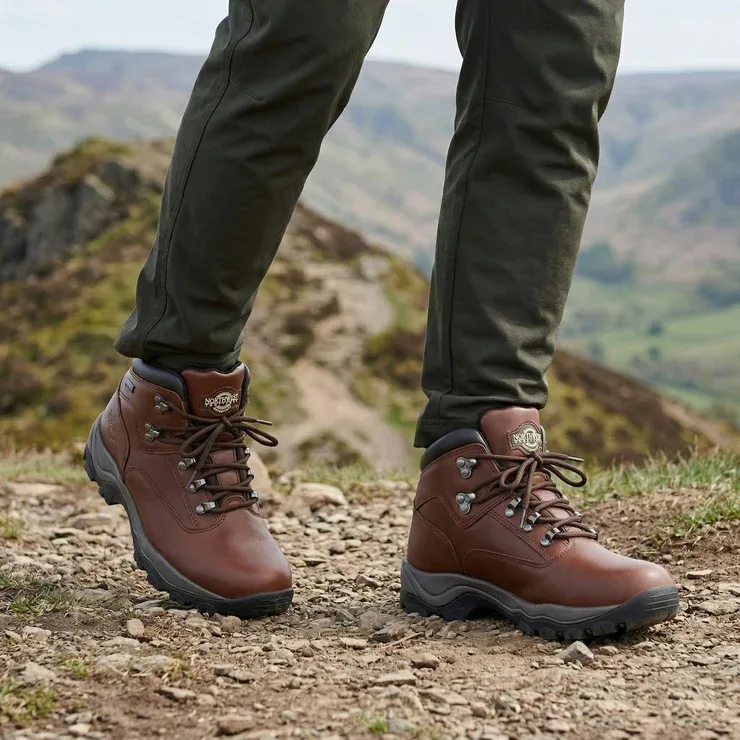
For people who regularly spend time outdoors, mens waterproof boots with suitable protective construction can offer a useful combination of practicality and comfort.
Grip and Sole Design
Walking on wet grass, muddy trails and slippery pavements requires reliable traction. The outsole plays an important role in maintaining stability, particularly when the ground is uneven.
Look for soles with a tread pattern suited to your intended activities. Deeper lugs may be beneficial on muddy paths, whereas a more moderate tread can work well for everyday use.
Although a well-designed sole can improve grip, no footwear can eliminate the risk of slipping on every surface. Take extra care around wet leaves, smooth stones and icy ground.
Comfort and Ankle Support
Comfort should be a priority when selecting boots for regular use. A well-fitting pair should provide enough room for your toes while keeping your heel reasonably secure.
Consider the following features:
- Cushioned insoles: These can help improve comfort during extended periods of walking.
- Supportive collars: Padded ankle areas may reduce pressure and improve the overall fit.
- Breathable linings: These can help manage moisture produced by your feet.
- Adjustable lacing: This allows you to achieve a more secure fit around the foot and ankle.
Trying boots on with the socks you intend to wear is a useful way to assess their fit before purchasing.
Choosing Boots for Different Activities
Your intended use should guide your decision. Footwear suitable for a short walk around town may not provide the same performance as boots designed for demanding countryside terrain.
Everyday Wear and Commuting
For daily activities, lightweight construction and a versatile appearance may be more important than aggressive tread patterns. Boots that work comfortably with casual clothing can be useful for travelling, shopping and walking to work.
Consider designs that are easy to put on, comfortable over longer periods and suitable for a mixture of indoor and outdoor environments.
Countryside Walks and Hiking
Country paths often involve mud, loose gravel, uneven ground and sudden changes in weather. For these conditions, prioritise traction, durable materials and a secure fit.
If you regularly undertake longer walks, check whether the boots offer adequate cushioning and support for the terrain. Breaking in suitable footwear gradually can also help you identify potential rubbing before a longer outing.
Gardening and Outdoor Tasks
Gardening and similar activities can expose footwear to damp grass, muddy soil and splashes of water. Boots with easy-to-clean surfaces and durable soles can make these tasks more manageable.
For work involving sharp tools, heavy objects or hazardous materials, ordinary outdoor boots may not provide sufficient protection. Choose specialist safety footwear when the task or workplace requires it.
How to Find the Right Fit
Even well-made footwear may become uncomfortable if it does not fit properly. Measuring your feet and comparing the results with the manufacturer's size guide can help you select an appropriate size.
Try boots on later in the day if your feet tend to swell after walking. Wear suitable socks and check that your toes can move freely without the foot sliding excessively inside the boot.
Walk around for several minutes to assess the heel, instep and ankle areas. Pay attention to tight spots, rubbing and pressure around the toes.
When comparing mens waterproof boots, remember that sizing can vary between manufacturers and designs. Reading product specifications and checking the returns policy can be helpful, particularly when ordering online.
Looking After Your Boots to Extend Their Lifespan
Regular maintenance helps preserve the appearance and performance of outdoor footwear. Mud, grit and moisture can gradually affect materials if they are left untreated.
Follow these practical care steps:
- Remove surface dirt: Use a soft brush or damp cloth after muddy walks.
- Allow natural drying: Leave boots in a well-ventilated area away from direct heat, which may damage leather, adhesives and other materials.
- Use appropriate treatments: Apply a suitable leather conditioner or water-repellent treatment when recommended by the manufacturer.
- Inspect the soles: Check for excessive wear, damaged tread and signs of separation.
- Store them properly: Keep boots in a dry, ventilated location between uses.
Avoid assuming that waterproof protection lasts indefinitely. Coatings can wear down, and damage to seams or materials may affect performance. Follow the manufacturer's care instructions and replace footwear when deterioration compromises its suitability.
Exploring Practical Outdoor Footwear Options
When comparing different footwear ranges, consider how each design fits your routine rather than focusing on appearance alone. Northwest Territory is a name shoppers may encounter when exploring casual and outdoor-inspired footwear options.
Reviewing available product details can help you understand the materials, intended use, fastening systems and sole construction of individual designs. These details are more useful for assessing suitability than relying solely on general product descriptions.
Northwest Territory can be included in a wider comparison of outdoor footwear, alongside other brands offering options for everyday wear and outdoor activities. Before choosing a particular model, check its stated level of water protection and whether its features match the conditions in which you intend to wear it.
The best choice depends on your priorities, including fit, budget, frequency of use and the type of terrain you regularly encounter.
Common Mistakes to Avoid When Buying Waterproof Boots
A few simple checks can prevent disappointment after purchase.
One common mistake is choosing boots based entirely on appearance. Although style matters, materials, fit and sole design determine whether the footwear is appropriate for your activities.
Another mistake is assuming that every boot described as water-resistant is fully waterproof. These terms can indicate different levels of protection, so check the manufacturer's explanation before deciding.
It is also worth avoiding footwear that feels excessively tight in the hope that it will stretch significantly with use. Some materials soften over time, but an unsuitable fit can remain uncomfortable.
Finally, consider the conditions in which you will wear your boots most frequently. A lightweight design may suit everyday errands, while more demanding walks may require stronger construction and improved traction.
Conclusion
Selecting suitable outdoor footwear involves balancing water protection, comfort, grip, durability and value. By understanding the features that matter most, you can make a more confident decision and find boots that suit your everyday routine or outdoor interests.
Whether you are commuting in wet weather, exploring country paths or completing tasks in the garden, mens waterproof boots can be a useful addition to your footwear collection when chosen for the right conditions.
Take time to compare materials, check sizing information and follow the manufacturer's care advice. Northwest Territory is one option to consider during your research, but the most suitable pair will ultimately be the one that meets your practical requirements and offers a comfortable, secure fit.