Owning an RV or boat is exciting, but extreme weather can quickly cause expensive damage. Heavy rain, strong sunlight, snow, humidity, and storms slowly affect roofs, tires, batteries, interiors, and paint over time.
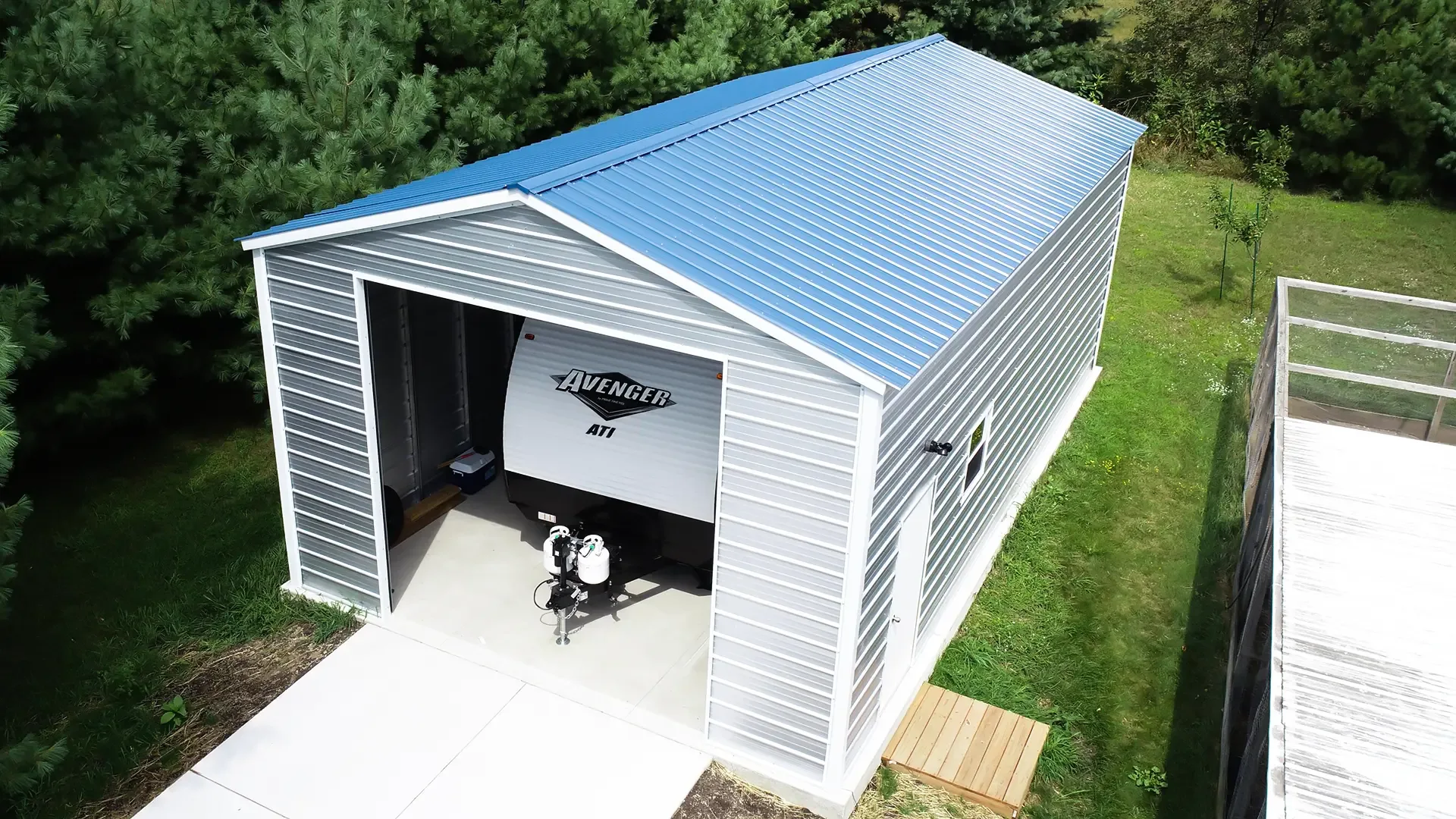
That is why year-round protection matters more than ever. Many owners now use secure storage options like RV garages and all-weather garages to reduce constant weather exposure. Along with proper storage, simple maintenance habits can help prevent costly repairs and extend the life of your vehicle.
In this guide, you will learn 10 simple and practical ways to protect your RV or boat throughout the year.
- Use High-Quality Protective Covers
- Inspect Roofs, Seals, and Windows Regularly
- Protect Tires From Sunlight and Temperature Changes
- Control Moisture and Humidity Inside the Vehicle
- Winterize Your RV or Boat Before Freezing Temperatures
- Wash and Wax Exterior Surfaces Frequently
- Maintain Batteries Properly Throughout the Year
- Prepare for Storms and High Winds
- Choose Better Storage Solutions
- Follow a Consistent Seasonal Maintenance Routine
Why Extreme Weather Causes Serious Damage to RVs and Boats
Many people assume RVs and boats are built to handle any weather condition. While they are designed for outdoor use, constant exposure still creates wear and tear over time. Weather affects both the exterior and the internal systems of these vehicles.
For example, strong sunlight may seem harmless at first, but continuous UV exposure can slowly crack seals, fade paint, weaken roofing materials, and damage interiors. Similarly, moisture buildup from rain and humidity can create hidden mold problems that spread behind walls and under flooring.
Cold weather creates another set of challenges. Frozen pipes, battery failures, and engine issues become common during winter if proper precautions are not taken. Windstorms and hail can also cause sudden structural damage that may cost thousands to repair.
What makes weather damage especially frustrating is that many problems remain hidden until they become severe. A tiny leak can quietly spread moisture for months before visible signs appear. By the time owners notice the issue, repairs are often expensive and time-consuming.
This is why preventive care matters so much. Taking action before damage happens is always cheaper and easier than fixing major problems later.
1. Use High-Quality Protective Covers
One of the easiest ways to protect your RV or boat is by using a durable weather-resistant cover. A good cover acts like a shield against sunlight, rain, snow, dust, bird droppings, and falling debris.
However, not all covers provide the same level of protection. Cheap covers may tear easily, trap moisture inside, or fail during strong winds. Investing in a high-quality breathable cover helps prevent long-term damage while improving ventilation.
When shopping for a protective cover, look for materials designed specifically for outdoor weather exposure. Breathable fabrics help reduce trapped condensation, which lowers the risk of mold and mildew growth. UV-resistant materials also help protect paint, rubber seals, and interior surfaces from sun damage.
A properly fitted cover is equally important. Loose covers can flap during windy weather and create scratches on the exterior surface. Covers that fit too tightly may strain seams and tear more easily.
Boat owners should also choose marine-grade covers designed for water exposure and salt protection. Saltwater environments increase corrosion risks significantly, especially in coastal regions.
Many RV and boat owners skip covers because they believe occasional cleaning is enough. Unfortunately, constant weather exposure adds up over time. A quality cover is one of the most affordable long-term protection investments you can make.
2. Inspect Roofs, Seals, and Windows Regularly
Water damage is one of the biggest repair nightmares for RV and boat owners. Unfortunately, it often begins with something very small, such as a tiny crack in a roof seal or a weak window edge.
Roofs constantly expand and contract due to changing temperatures. Over time, this movement weakens sealants around vents, skylights, windows, and roof seams. Once water finds even a tiny opening, moisture can slowly spread into insulation, wood, flooring, and electrical systems.
The best way to avoid major damage is through regular inspections.
Try to inspect your RV or boat every few months, especially after storms or extreme seasonal changes. Focus on:
- Roof seams
- Air vents
- Window edges
- Door seals
- Skylights
- Storage compartment seals
- Exterior joints
Look carefully for cracked sealant, bubbling surfaces, soft spots, discoloration, or peeling materials. Inside the vehicle, signs like musty smells, stains, warped walls, or damp flooring may indicate hidden leaks.
Many experienced RV owners recommend resealing vulnerable areas once every year, even if visible damage is minor. Preventive resealing costs far less than repairing water-damaged interiors later. Ignoring small leaks is one of the most expensive mistakes owners make.
3. Protect Tires From Sunlight and Temperature Changes
Tires play a huge role in both safety and performance, yet they are often neglected during long storage periods. Extreme heat, freezing temperatures, and UV exposure all reduce tire lifespan over time.
Direct sunlight slowly dries out rubber compounds and causes cracking. During summer, hot pavement increases internal tire pressure and raises blowout risks. In winter, cold temperatures reduce tire pressure and make rubber stiffer and more vulnerable to cracking.
Long-term parking also creates flat spots if the vehicle remains stationary for too long.
To protect your tires properly:
- Use tire covers during storage
- Check air pressure regularly
- Move the vehicle occasionally
- Avoid storing tires on wet ground
- Inspect sidewalls for cracks or dry rot
For larger RVs, weight distribution also matters. Uneven pressure during storage can create long-term tire stress. Boat trailers need similar care. Many owners focus only on the boat itself and forget the trailer, even though trailer tire failure can ruin an entire trip.
Tires may appear fine externally while internal deterioration develops slowly. Regular inspections help catch problems early before they become dangerous on the road.
4. Control Moisture and Humidity Inside the Vehicle
Moisture is one of the most destructive hidden threats for both RVs and boats. Even without visible leaks, humidity can slowly damage interiors over time.
Warm weather combined with poor ventilation creates the perfect environment for mold and mildew growth. Moisture can affect upholstery, bedding, curtains, carpets, wood panels, and electronics. Boats face even greater moisture challenges because of constant exposure to water environments.
One of the biggest mistakes owners make is sealing everything tightly during storage without considering airflow. Completely trapped air often increases condensation problems.
Instead, focus on balanced ventilation and humidity control.
Simple ways to reduce interior moisture include:
- Using dehumidifiers
- Installing moisture absorbers
- Opening vents periodically
- Cleaning spills immediately
- Allowing airflow during storage
- Avoiding wet fabrics inside
For boats, saltwater exposure increases corrosion risks for metal components, engines, and wiring systems. Cleaning and drying these areas regularly is extremely important.
Humidity problems usually develop slowly. By the time mold becomes visible, hidden damage may already exist behind walls or flooring. Keeping interiors dry year-round helps preserve both comfort and resale value.
5. Winterize Your RV or Boat Before Freezing Temperatures
Winter weather can cause severe damage if your RV or boat is not prepared properly. Frozen water expands inside pipes and tanks, which may lead to burst plumbing systems and costly repairs.
Winterization is especially important in areas with freezing temperatures, snowstorms, or sudden cold waves.
For RVs, begin by draining all water systems completely. Water tanks, pipes, water heaters, and pumps should be emptied before temperatures drop. Many owners also use RV antifreeze to protect plumbing systems during storage.
Boat owners must winterize engines carefully to avoid internal freezing damage. Fuel stabilization is also important because fuel left untreated for months may degrade and create engine issues later.
Battery care matters during winter as well. Cold temperatures reduce battery efficiency and increase failure risks. Disconnecting batteries or using trickle chargers helps maintain battery health during long storage periods.
Interior preparation is equally important. Remove liquids, food, and moisture-prone materials before storing the vehicle. Waiting until the first winter storm arrives is risky. Early preparation helps prevent emergency problems during colder months.
6. Wash and Wax Exterior Surfaces Frequently
Dirt and debris may not seem dangerous, but over time they can seriously damage exterior surfaces. Dust, pollution, tree sap, bird droppings, salt, and standing water all weaken protective coatings gradually.
Regular washing removes these contaminants before they create long-term surface damage. For RVs, road salt and dirt buildup often collect near the lower panels and wheel areas. Boats face even harsher conditions because water exposure increases mineral deposits and oxidation.
Saltwater environments are particularly damaging. Salt accelerates corrosion on metal parts, fasteners, trailers, and engines. This is why many experienced boat owners rinse their boats thoroughly after every use in saltwater.
Waxing adds another layer of protection. A quality wax coating helps block UV rays, repel moisture, and reduce oxidation. Try to wash your RV or boat regularly, especially after storms, dusty travel routes, or ocean exposure.
Avoid harsh household cleaners because they may strip protective finishes. Products designed specifically for RVs and marine vehicles usually provide safer and longer-lasting protection.
Clean surfaces not only look better but also last longer.
7. Maintain Batteries Properly Throughout the Year
Battery problems are extremely common after long storage periods. Extreme temperatures slowly weaken batteries even when the vehicle is not in use.
Heat causes battery fluid evaporation and internal wear, while freezing weather reduces power output significantly. Many owners unknowingly shorten battery lifespan by leaving batteries unattended for months.
Good battery maintenance includes:
- Disconnecting batteries during long storage
- Cleaning battery terminals regularly
- Using battery maintainers or trickle chargers
- Inspecting for corrosion
- Testing battery health periodically
Boat batteries need extra attention because moisture exposure increases corrosion risks. Corroded terminals affect performance and may eventually prevent engines from starting. RVs often contain multiple battery systems for appliances, lighting, and engine operation. Neglecting one battery can affect overall system performance.
Battery replacement costs continue increasing, especially for larger vehicles and marine systems. Preventive care helps avoid sudden failures during trips or emergencies.
8. Prepare for Storms and High Winds
Storms can cause major damage within minutes. High winds, hail, falling branches, and flying debris all create serious risks for RVs and boats. Strong winds may loosen covers, damage awnings, crack windows, or even shift vehicles unexpectedly.
Preparing ahead of storms helps reduce these risks significantly.
Before severe weather arrives:
- Remove loose outdoor equipment
- Secure covers tightly
- Retract awnings
- Close windows and vents
- Park away from weak trees
- Use wheel chocks and stabilizers
Boat owners should inspect docking systems carefully before storms. Loose ropes or weak anchors may allow boats to drift or collide with docks during rough weather.
If possible, move your RV or boat into protected storage during major storms. Even partial shelter reduces exposure to hail and flying debris.
Weather forecasts should become part of your regular maintenance routine, especially during storm seasons.
9. Choose Better Storage Solutions
Storage conditions directly affect how long your RV or boat stays in good condition. Outdoor parking may seem convenient, but constant weather exposure slowly increases wear and tear throughout the year. Sunlight, rain, snow, and debris continuously affect surfaces and mechanical systems.
Covered storage offers better protection, while fully enclosed garages provide the highest level of defense against weather-related damage.
Good storage spaces should provide:
- Strong roofing
- Proper drainage
- Ventilation
- Stable flooring
- Security features
- Protection from standing water
Location matters too. Avoid storing vehicles in flood-prone areas or under large trees where branches may fall during storms.
Many owners underestimate how much damage poor storage conditions create over several years. A safer storage setup can significantly reduce maintenance costs long term.
Even simple upgrades like covered parking or elevated surfaces help reduce weather exposure.
10. Follow a Consistent Seasonal Maintenance Routine
One of the smartest ways to protect your RV or boat year-round is by following a consistent maintenance schedule. Many people only inspect their vehicle before vacations or boating trips. Unfortunately, weather damage often develops during storage periods when owners are not paying attention. A seasonal routine helps catch problems early before repairs become expensive.
Spring Maintenance:Spring is the perfect time for deep inspections after winter storage.
Focus on:
- Roof inspections
- Leak checks
- Tire pressure
- Battery testing
- Exterior washing
- Plumbing inspections
Summer heat creates UV and overheating risks.
Important summer tasks include:
- Monitoring tire pressure
- Protecting interiors from heat
- Checking cooling systems
- Inspecting seals for sun damage
Fall preparation helps prevent winter damage later.
Key fall tasks include:
- Cleaning drainage systems
- Removing debris
- Preparing plumbing systems
- Inspecting weather seals
Winter protection focuses mainly on freezing prevention and moisture control.
Winter priorities include:
- Winterizing plumbing
- Using protective covers
- Monitoring snow buildup
- Maintaining batteries
Consistent seasonal care prevents small issues from becoming overwhelming repair projects later.
Common Weather Protection Mistakes Owners Make
Even responsible owners sometimes make avoidable mistakes that lead to expensive repairs later. One common mistake is delaying minor repairs. Small cracks, weak seals, or tiny leaks often seem harmless initially, but moisture spreads quickly once it enters hidden areas.
Another mistake is assuming a cover alone solves every problem. Covers help significantly, but ventilation, cleaning, and inspections still matter. Ignoring humidity is another major issue. Many owners focus only on rain and snow while forgetting how damaging trapped moisture can become.
Some people also underestimate sun damage. Continuous UV exposure weakens materials slowly over time, especially rubber seals, tires, plastics, and interiors. Poor storage decisions create additional risks. Parking under trees may increase falling branch damage, while low-lying storage areas increase flooding risks.
Lastly, many owners skip maintenance because their vehicle "looks fine." Unfortunately, weather damage often begins internally long before visible signs appear. Preventive care always costs less than major restoration work.
How Preventive Maintenance Saves Money Long-Term
Some RV and boat owners avoid maintenance because they think it feels expensive. In reality, ignoring weather protection usually costs much more later.
For example, replacing a cracked seal may cost very little today, but repairing water-damaged walls, flooring, and insulation later could cost thousands of dollars.
Similarly, maintaining tires regularly is far cheaper than dealing with tire blowouts, towing expenses, or accident-related damage.
Here are some common repair costs owners may face:
Damage TypePotential Repair CostRoof leak repair$500 to $5,000Mold remediation$1,000 to $6,000Water-damaged flooring$2,000 to $10,000Hail damage repair$1,500 to $8,000Preventive maintenance also helps preserve resale value. Buyers pay much more for well-maintained RVs and boats with clean interiors, healthy systems, and minimal weather damage. Simple yearly maintenance habits often determine whether a vehicle lasts 10 years or 20 years.
Final Thoughts
Extreme weather can quietly shorten the lifespan of your RV or boat if proper protection is ignored. Sunlight, rain, humidity, snow, freezing temperatures, and storms all create different forms of damage that build gradually over time.
The good news is that protecting your investment does not require complicated solutions. Small, consistent habits like inspecting seals, controlling moisture, washing surfaces, winterizing systems, maintaining batteries, and choosing better storage can dramatically reduce long-term damage.
Most costly repairs begin as small, overlooked issues. A tiny leak, neglected tire, or ignored crack may eventually turn into a major restoration project. Preventive care helps you avoid that stress while keeping your RV or boat safer, cleaner, and more reliable throughout the year.
Whether you travel occasionally or use your vehicle frequently, year-round weather protection is one of the smartest ways to protect both your investment and your peace of mind.