
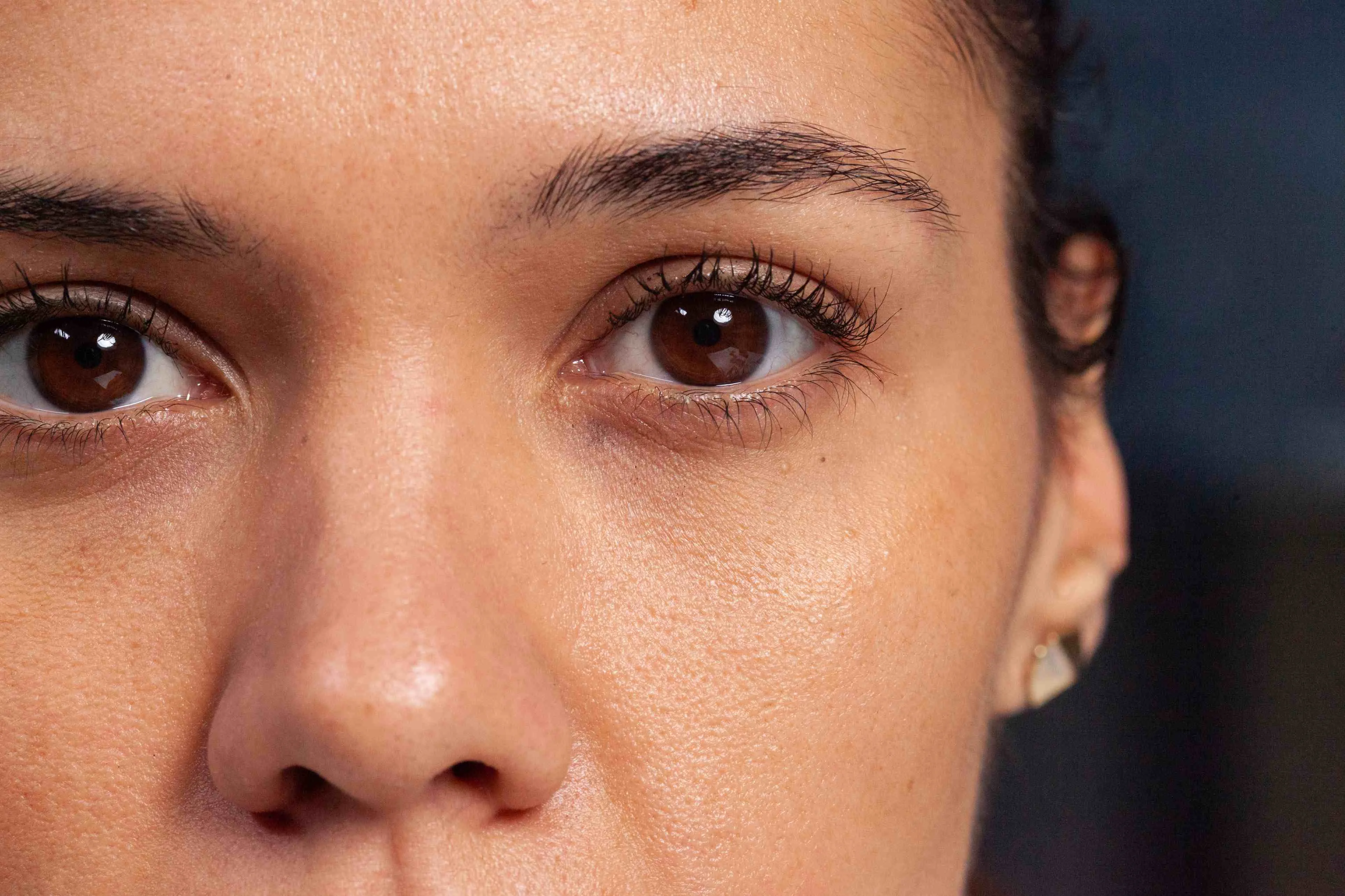
Dark circles can develop for several reasons, including pigmentation, visible blood vessels, under-eye hollows, and puffiness. Because these causes can look similar, choosing a treatment without identifying the underlying issue may lead to disappointing results. If you are considering dark circles treatment in Noida, a proper skin assessment is an important first step in understanding which treatment options may be suitable for you.

Why Do Dark Circles Have Different Causes?
Dark circles are not always caused by poor sleep or tiredness. Genetics, skin pigmentation, thin under-eye skin, age-related volume changes, allergies, and facial structure can all contribute to their appearance.
A skin specialist evaluates these factors to determine whether your dark circles have one primary cause or result from a combination of concerns. This helps guide treatment recommendations according to your skin condition and individual needs.
1. Is Pigmentation Causing Your Dark Circles?
One of the first things a specialist checks is whether excess pigmentation contributes to the discoloration around your eyes.
The assessment may include:
- When the discolouration started: Dark circles present since childhood or adolescence may have a genetic component.
- Sun exposure: Ultraviolet exposure can contribute to increased pigmentation.
- Rubbing or irritation: Frequent rubbing, including due to itching or allergies, may worsen pigmentation.
- Pigmentation depth: The location and appearance of pigmentation can help guide treatment selection.
Depending on the findings, treatment may involve suitable topical products, sun protection, or selected procedures. The appropriate option depends on the cause and your skin type.
2. Are Visible Blood Vessels Contributing to the Darkness?
In some people, the under-eye area appears blue, purple, or dusky because blood vessels are visible through thin skin. This can look similar to pigmentation but may require a different treatment approach.
Your specialist may assess:
- Under-eye skin thickness: Thin skin can make underlying blood vessels more noticeable.
- Color of the area: Bluish or purplish tones may suggest a vascular contribution, although color alone cannot confirm the cause.
- Family history: Inherited skin characteristics can influence how prominent under-eye darkness appears.
Identifying this possibility helps avoid relying on pigmentation-focused treatments when they may not address the main concern.
3. Is Under-Eye Hollowing Creating Shadows?
Changes in facial volume and the natural shape of the tear trough can create shadows beneath the eyes. These shadows may make the area look darker even when excess pigmentation is not the main issue.
During the assessment, your specialist may check:
- Whether the under-eye area looks hollow or sunken.
- How the appearance changes with lighting and facial position.
- Whether age-related volume changes or natural facial structure contribute to the shadowing.
For selected patients, volume-restoring treatments may be considered. However, not everyone is suitable for under-eye fillers, so the risks, benefits, and alternatives should be discussed during consultation.
4. Is Puffiness or Swelling Making Dark Circles More Noticeable?
Under-eye puffiness can cast shadows that make the surrounding skin appear darker. Swelling may also fluctuate depending on the underlying cause.
Your specialist may examine:
- Whether there is puffiness or prominent under-eye fat.
- Whether swelling changes throughout the day.
- Whether allergies or other factors may be contributing to the swelling.
If puffiness is a major concern, treatment may need to address its cause rather than focusing only on skin pigmentation.
5. What Does Your Medical and Skincare History Reveal?
A physical examination is only one part of the assessment. Your specialist may also ask about your medical history, daily habits, and previous treatments.
Be prepared to discuss:
- Sleep patterns and lifestyle: These may influence how tired the under-eye area appears.
- Allergies and itching: Repeated irritation or rubbing can worsen discoloration.
- Existing skin conditions: Eczema, dermatitis, or sensitivity may affect treatment choices.
- Current skincare products and medications: Some products may irritate the delicate under-eye area.
- Previous treatments: Your specialist will want to know what you have tried and how your skin responded.
In some cases, further medical evaluation may be appropriate, particularly if the dark circles have appeared suddenly or are accompanied by other symptoms.
6. How Do Your Skin Tone and Skin Type Affect Treatment?
Your skin tone, sensitivity, and tendency to develop pigmentation are important considerations when selecting a treatment. Some procedures, particularly certain laser treatments, may carry a higher risk of post-inflammatory pigmentation in susceptible skin.
Before recommending a procedure, your specialist should consider:
- Your natural skin tone and pigmentation history.
- Whether the under-eye skin is sensitive or irritated.
- The likely benefits and risks of the proposed treatment.
- Whether a topical or non-procedural option may be more appropriate.
This assessment helps support safer, more individualized treatment planning.
How Does the Assessment Help Determine the Right Dark Circle Treatment?
Once the likely causes have been identified, your specialist can discuss treatment options that match your concerns.
- Pigmentation-related dark circles: May be managed with suitable topical treatments, sun protection, or selected procedures.
- Vascular or thin-skin-related darkness: May require a different approach, depending on the underlying cause and skin characteristics.
- Hollowing and shadowing: Volume-restoring treatments may be considered for selected patients after careful assessment.
- Puffiness: Treatment depends on whether swelling, allergies, or under-eye fat contributes to the appearance.
- Mixed causes: A combination of approaches may be considered when more than one factor is involved.
Results vary depending on the cause of the dark circles, the treatment selected, and individual skin characteristics. No single treatment is suitable for everyone, and some types of dark circles may improve rather than disappear completely.
If you are considering dark circles treatment in Noida, an individual assessment can help you understand which options may be appropriate instead of choosing a procedure based on someone else's results.
Why Is a Dermatologist's Assessment Important?
Dark circles can have overlapping causes, so an accurate assessment helps guide treatment decisions and avoid unnecessary procedures. A dermatologist can examine the under-eye area, review relevant medical and skincare history, and explain the expected benefits and limitations of available options.
At Arcane Clinics, Dr. Radha Sharma, who holds MBBS and MD qualifications in dermatology, venereology, and leprology, evaluates patients' skin concerns before recommending a personalized treatment plan. The aim is to identify the likely cause of the dark circles and discuss suitable options based on individual needs.
Conclusion
Effective dark circle management starts with understanding why the area looks darker. Pigmentation, visible blood vessels, under-eye hollows, puffiness, and a combination of factors can all contribute to the concern. Identifying the likely cause helps determine which treatments may be useful and what results you can realistically expect.

If your dark circles have not improved with over-the-counter products, consider consulting a qualified dermatologist. If you are searching for the best skin specialist in Noida, look for a professional who assesses the underlying cause, explains treatment options clearly, and discusses both benefits and potential risks before recommending a procedure.
Frequently Asked Questions
Can a dermatologist identify the cause of my dark circles?A dermatologist can assess the appearance of your under-eye area, review your history, and identify likely contributing factors. More than one cause may be involved.
Can all types of dark circles be treated with laser?No. Laser treatment may be suitable for selected pigmentation concerns, but it is not appropriate for every type of dark circle. Treatment depends on the underlying cause and your skin characteristics.
Do dark circles always indicate a lack of sleep?No. Genetics, pigmentation, thin skin, facial structure, volume changes, and allergies can also contribute to dark circles.
When should I consult a dermatologist about dark circles?Consider a consultation if dark circles persist, worsen, or do not respond to your usual skincare routine. Seek medical advice promptly if the change is sudden, particularly if it affects only one side or occurs with pain or significant swelling.