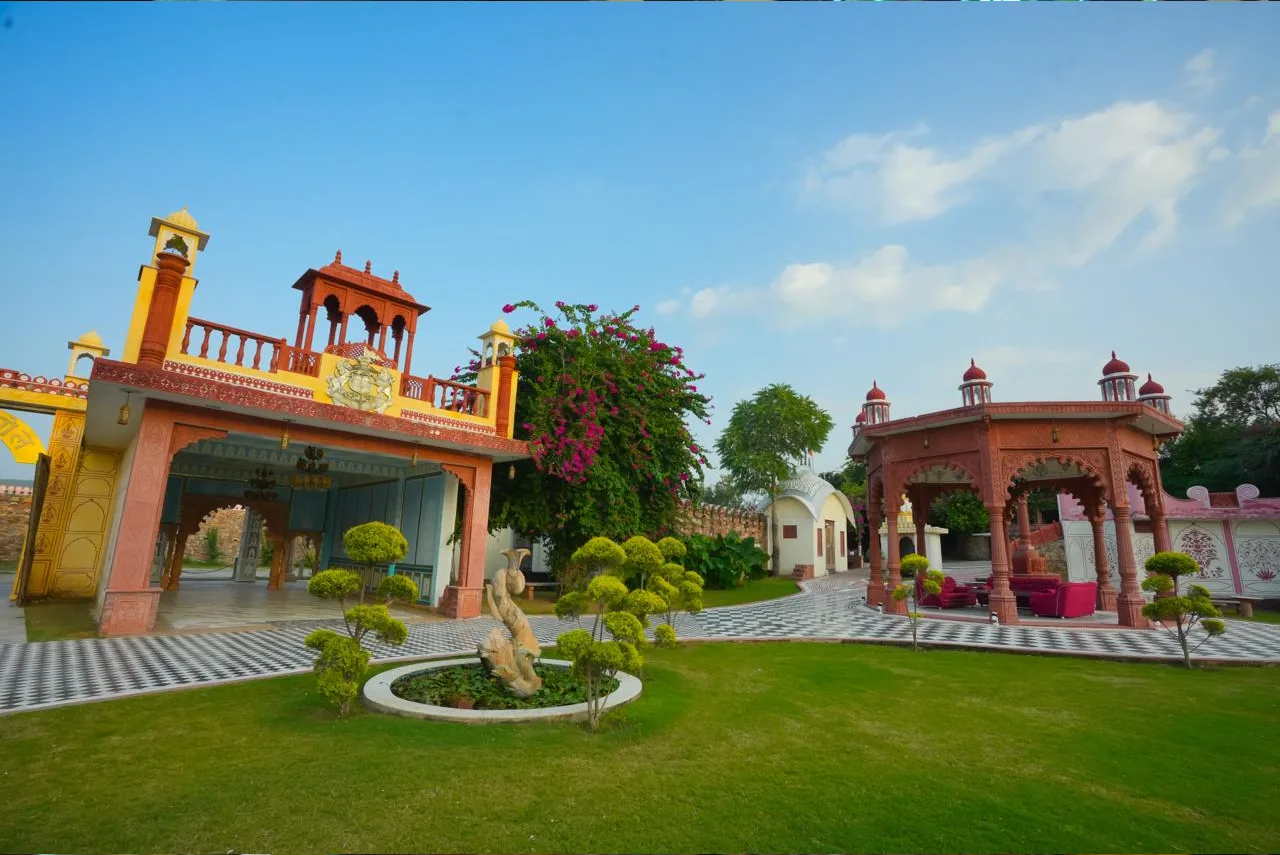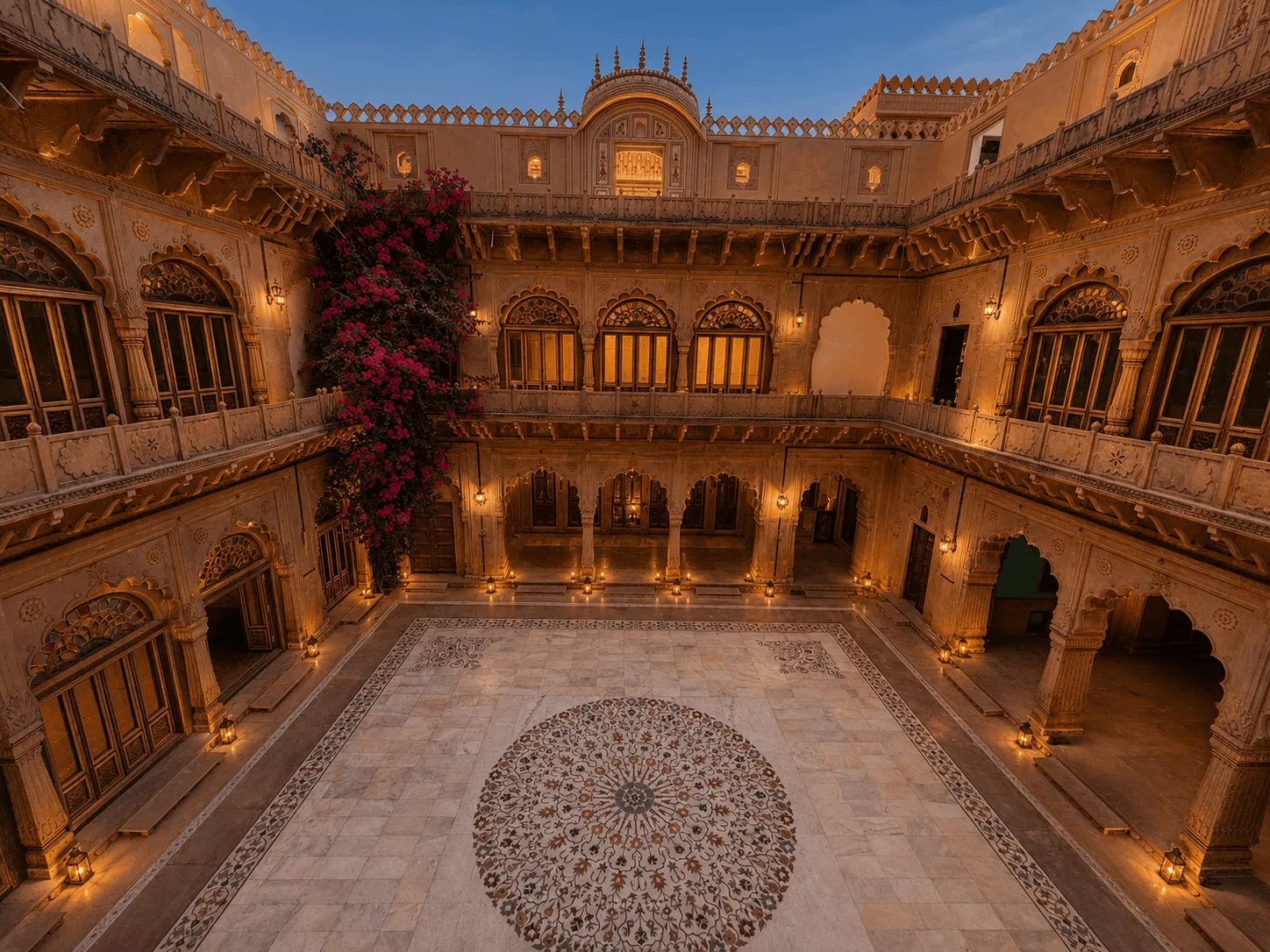
Lohagarh Fort is an important landmark in Bharatpur’s story, known for its defensive design and connection with the region’s rulers. This guide introduces visitors to the fort’s historical context and offers practical ideas for exploring nearby heritage sites respectfully. Mahal Khas Palace is situated within the Lohagarh Fort setting, giving travellers a way to connect their stay with Bharatpur’s historic landscape.
To understand Bharatpur, it helps to look beyond a single monument and notice how the city’s history is reflected in its fort, palaces, religious sites and public spaces. Rajasthan Tourism describes Lohagarh Fort as a landmark associated with Bharatpur’s rulers and notes its moat and historic structures, including Mahal Khas. This Lohagarh Fort history guide offers an introduction for visitors who want context before they explore. It also explains how to plan a considerate visit and why staying within the fort setting can make the historic environment part of the wider trip. Travellers looking for a Lohagarh Fort area stay can review Mahal Khas Palace’s current property information before booking.
Why is Lohagarh Fort different from a palace built for display?
Many visitors associate Rajasthan forts with elaborate ornament and dramatic façades. Lohagarh Fort is often described through a different quality: strength. Rajasthan Tourism highlights its rugged character and moat, noting that the fort withstood attacks before it was eventually captured by British forces. Its design reflects a defensive purpose, so visitors can look at the structure as a working fortification as well as a historic attraction.
That difference changes how to read the place. Instead of focusing only on decorative details, notice the fort’s position, gateways, walls and relationship to the surrounding city. Consider how a fortified settlement might have influenced movement, administration and daily life. The historic structures within the complex represent different layers of Bharatpur’s past, and each visitor will encounter them through the routes and areas currently open to the public. Always confirm which monuments can be entered on the day you visit.
Look beyond one building
A historic complex is easier to understand when you approach it as a group of connected places. Rajasthan Tourism lists structures within Lohagarh Fort such as Kothi Khas, Mahal Khas, Moti Mahal and Kishori Mahal. These names can help visitors orient themselves, but access and interpretation may vary. Check current signage, ticket requirements and opening information before making a detailed itinerary.
If a museum or guide is available, consider using it to give the visit more context. Museum displays, local explanations and official interpretation can help connect a structure to the period in which it was built or used. Avoid relying only on short social media captions for historical details, particularly where accounts differ. When you hear a local story, treat it as a valuable part of the visitor experience while distinguishing oral tradition from documented historical information.
How can you explore the fort respectfully?
Begin by checking opening hours, entry requirements and photography rules through current official information. Some spaces may be closed, undergoing maintenance or subject to separate access conditions. Dress comfortably for walking, carry water if permitted and be prepared for uneven surfaces or steps. If you are visiting during warmer weather, plan the outing for a comfortable part of the day and ask locally about shade and visitor facilities.
Heritage sites are shared spaces that need care. Do not climb on walls, touch delicate surfaces, leave litter or enter areas marked as restricted. Keep noise low in places of worship or ceremonial use. If you are photographing people, ask permission rather than assuming they are part of the scene. These simple habits help preserve the site and make the visit more considerate for residents and other visitors.
Add time for the surrounding city
Bharatpur’s historic identity is not contained within the fort gates. Rajasthan Tourism also describes Bharatpur Palace and Museum, temples and other regional sites as part of the destination. A visitor can build a half-day route around the fort and one or two nearby attractions, then leave time for meals and transport. Resist the urge to fit every site into a single afternoon; moving slowly gives you more opportunity to notice architectural detail and understand the city’s layout.
Ask a local guide or official tourism source about current access and practical routing. Distances and travel times can vary with traffic, road work and opening schedules. If you plan to visit a site outside the city, confirm the return transport before departure. For historic Bharatpur accommodation, Mahal Khas Palace may be relevant because the property is located within the Lohagarh Fort setting; verify current entry, room and guest-access details directly with the hotel.
What is the connection between Mahal Khas Palace and the fort?
Rajasthan Tourism lists Mahal Khas among the historic structures within Lohagarh Fort. Mahal Khas Palace also identifies its property with the fort setting in Bharatpur. Travellers should distinguish the hotel’s current hospitality services from the history of the broader fort complex: they are related by location and name, but a guest room or hotel amenity is not automatically a publicly accessible historic monument.
The hotel offers 84 rooms and suites, according to the property information available to travellers. If you are interested in staying there, ask which room categories are available, what the current inclusions are and whether there are any access or parking instructions for arrival. The Mahal Khas Palace property details can help you begin that check. Confirm all operational details before travel, especially if your itinerary depends on walking access to a specific monument or visiting at a particular time.
A useful visitor checklist
✔ Review current official visitor information before travelling.
✔ Confirm which fort structures are open and whether separate tickets or permissions apply.
✔ Allow time for walking, rest and transport between sites.
✔ Follow posted restrictions and avoid touching or climbing on historic fabric.
✔ Check photography guidance and ask permission before photographing people.
✔ Confirm hotel room details, arrival directions and guest access directly with the property.
How to make the visit meaningful for different travellers
A history-focused visit can work for solo travellers, families and small groups, but each may need a different pace. Families might choose one central site and a short museum visit rather than a long itinerary. Older visitors may prefer to confirm step-free access, seating and transport arrangements in advance. Photography enthusiasts can plan for early or late light while remaining attentive to access rules. Travellers with limited time should select the places that best match their interests instead of trying to see everything.
If historical interpretation matters to you, seek out a guide or published source that explains the fort within Bharatpur’s wider history. Then take time to observe the setting for yourself: the scale of the walls, the relationship between gateways and the city, and the contrast between defensive architecture and palace spaces. Such observations make the visit more personal without requiring visitors to make unsupported assumptions about a building’s past.
Conclusion
Lohagarh Fort offers visitors a way to encounter Bharatpur through its defensive architecture and historic structures. A little preparation—checking access, understanding the site’s layout and respecting its rules—can make a visit more informative and comfortable. Mahal Khas Palace’s location within the fort setting connects a contemporary stay with the city’s historic environment, while its hotel services should be confirmed directly. Explore at a considerate pace and use current official information to guide the details of your visit.