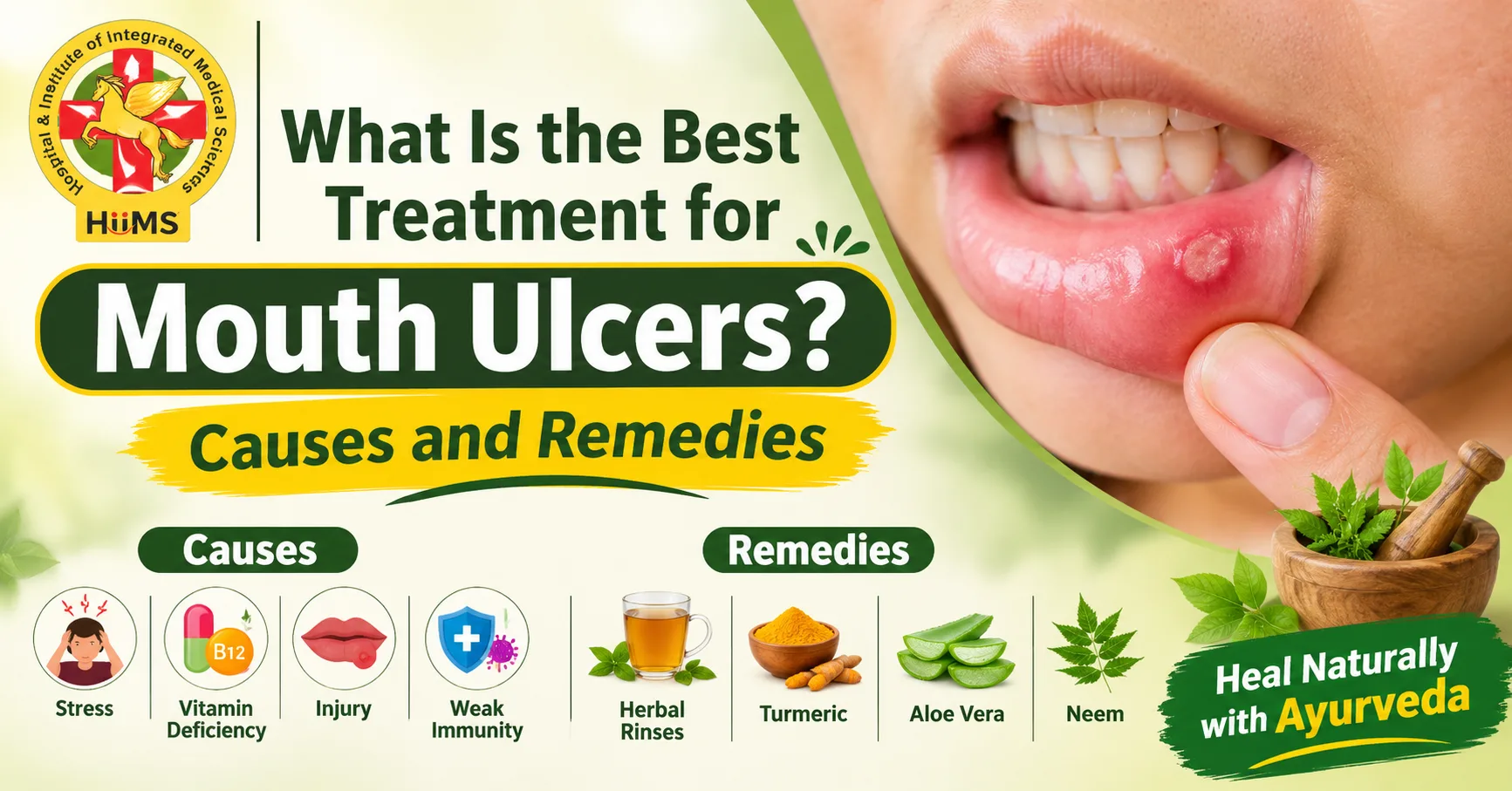
Mouth ulcers are small, painful sores that develop inside the mouth, including on the inner cheeks, lips, tongue, gums, and the roof or floor of the mouth. They can make everyday activities such as eating, drinking, speaking, and brushing teeth uncomfortable. Although many mouth ulcers heal naturally within one or two weeks, recurring or persistent ulcers may require proper attention.
Several factors, including nutritional deficiencies, accidental bites, stress, hormonal changes, and irritation from certain foods, may contribute to mouth ulcers. Maintaining good oral hygiene, following a balanced diet, and adopting healthy lifestyle habits can help support oral health. Many people also explore natural and Ayurvedic approaches to managing mouth ulcers. Jeena Sikho HiiMS emphasises a holistic approach that considers dietary habits, digestion, daily routines, and individual health requirements.
What Are Mouth Ulcers?
Mouth ulcers, also known as canker sores or aphthous ulcers in certain cases, are painful lesions that appear on the soft tissues inside the mouth. They may look like small round or oval sores with a white or yellowish centre and a red border.
Mouth ulcers are generally not contagious. Their size, appearance, and healing time can vary depending on the underlying cause.
Some ulcers are minor and disappear without specific treatment, while others may be larger, more painful, or recurrent. Identifying possible triggers can help individuals take appropriate steps to support healing and reduce recurrence.
What Are the Common Causes of Mouth Ulcers?
Mouth ulcers can develop for several reasons. Understanding the possible causes is important for choosing appropriate remedies and preventing repeated episodes.
1. Nutritional Deficiencies
A lack of certain essential nutrients may contribute to recurring mouth ulcers. Nutrients such as vitamin B12, folate, iron, and zinc play important roles in maintaining healthy tissues and supporting normal cell repair.
People with an unbalanced diet or certain nutritional absorption problems may be more likely to experience deficiencies.
Including a variety of nutrient-rich foods in daily meals can help maintain nutritional balance. Persistent or recurrent ulcers may require an assessment of possible deficiencies.
2. Stress and Anxiety
Physical and emotional stress may contribute to the development or recurrence of mouth ulcers in some individuals. Stress can also influence sleep, eating patterns, and general well-being.
People experiencing prolonged stress may benefit from relaxation techniques, meditation, breathing exercises, and maintaining a consistent daily routine.
3. Accidental Bites and Mouth Injuries
Accidentally biting the inner cheek or tongue, brushing too aggressively, or irritation from dental appliances can damage the delicate tissues inside the mouth.
Such injuries may develop into painful sores. Using a soft-bristled toothbrush and avoiding unnecessary irritation can help protect oral tissues.
4. Certain Foods and Food Sensitivities
Some foods may irritate existing ulcers or act as triggers in sensitive individuals. Common examples include:
- Citrus fruits such as lemons and oranges.
- Spicy foods containing excessive chilli.
- Very salty snacks.
- Hard or crunchy foods.
- Certain acidic beverages.
Identifying individual food triggers and adjusting dietary choices may help reduce discomfort.
5. Hormonal Changes
Some individuals experience mouth ulcers around particular stages of their menstrual cycle. Hormonal fluctuations may be associated with changes in ulcer frequency in susceptible people.
Maintaining balanced nutrition, adequate hydration, and good oral hygiene can support overall health during these periods.
6. Digestive and Underlying Health Concerns
Recurring mouth ulcers may sometimes be associated with underlying health conditions, including gastrointestinal disorders, coeliac disease, inflammatory bowel disease, and immune-related conditions.
Persistent ulcers should not automatically be attributed to poor digestion. Identifying the underlying reason is important when sores repeatedly develop or take longer than expected to heal.
What Are the Common Symptoms of Mouth Ulcers?
Mouth ulcers can cause different levels of discomfort depending on their size, number, and location.
Common symptoms include:
- Small, round, or oval sores inside the mouth.
- White or yellowish centres surrounded by a red border.
- Pain or burning sensations while eating.
- Discomfort when drinking acidic beverages.
- Sensitivity while brushing teeth.
- Difficulty speaking when ulcers are large or painful.
- Irritation while moving the tongue or lips.
Some individuals may experience a tingling or burning sensation before an ulcer becomes visible. Large or multiple ulcers may cause more significant discomfort.
What Is the Best Treatment for Mouth Ulcers?
The best approach to managing mouth ulcers depends on their cause, severity, and frequency. Most minor ulcers heal naturally, but suitable oral care and dietary changes can help reduce irritation and support recovery.
1. Maintain Proper Oral Hygiene
Good oral hygiene is important for maintaining healthy gums, teeth, and mouth tissues. Brush gently using a soft-bristled toothbrush and avoid applying excessive pressure to sensitive areas.
Clean your mouth regularly and maintain a consistent oral hygiene routine. Avoid touching or scratching ulcers with your fingers, as this may increase irritation.
2. Use a Gentle Saltwater Rinse
A mild saltwater rinse is a commonly used home remedy for oral discomfort.
To prepare it:
- Add half a teaspoon of salt to a glass of lukewarm water.
- Stir until the salt dissolves.
- Gently rinse your mouth with the solution.
- Spit it out instead of swallowing.
You can use this rinse as part of your oral care routine if it feels comfortable. Avoid using highly concentrated salt solutions because they may irritate sensitive tissues.
3. Include Nutrient-Rich Foods
A balanced diet can support normal tissue maintenance and healing. Include foods containing iron, folate, vitamin B12, zinc, and other essential nutrients.
Some suitable food choices include:
- Green leafy vegetables.
- Lentils and beans.
- Dairy products, if tolerated.
- Eggs.
- Nuts and seeds.
- Whole grains.
- Seasonal fruits that do not irritate existing ulcers.
If nutritional deficiency is suspected, seek professional guidance rather than taking supplements without an appropriate assessment.
4. Avoid Spicy and Acidic Foods
Spicy, salty, and acidic foods can increase irritation when ulcers are already present. Temporarily reducing these foods may make eating more comfortable.
Choose soft and mild foods such as porridge, khichdi, curd, cooked vegetables, and other meals that are easy to chew.
Avoid extremely hot foods and beverages until the ulcers have healed.
5. Stay Hydrated
Adequate hydration helps maintain normal saliva production and supports oral health. Drinking enough water throughout the day can help prevent dryness inside the mouth.
Avoid excessive consumption of sugary beverages and highly acidic drinks, especially when ulcers are painful.
6. Manage Stress and Improve Sleep
Stress management can be helpful for individuals who experience recurring mouth ulcers during stressful periods.
Consider including the following habits in your daily routine:
- Practise meditation for a few minutes.
- Try gentle breathing exercises.
- Maintain regular sleeping hours.
- Participate in light physical activities.
- Take short breaks during demanding work schedules.
Adults generally benefit from seven to nine hours of sleep each night. A consistent sleep routine can support overall well-being.
How Can Ayurveda Help Manage Mouth Ulcers?
Ayurveda traditionally considers oral health in relation to dietary habits, digestion, daily routines, and individual constitution. Certain traditional Ayurvedic approaches focus on maintaining oral hygiene and balancing lifestyle practices.
At Jeena Sikho HiiMS, a holistic approach to wellness considers individual health requirements, food habits, and daily routines when discussing Ayurvedic care.
Depending on individual circumstances, qualified Ayurvedic practitioners may suggest suitable dietary adjustments and traditional oral-care practices.
However, Ayurvedic remedies should be selected carefully. Natural ingredients are not automatically safe for everyone, and some herbal preparations may cause irritation or allergic reactions. Avoid applying concentrated herbal products, essential oils, or unfamiliar substances directly to mouth ulcers without professional guidance.
Ayurvedic care should also not replace appropriate evaluation when ulcers are persistent, severe, or recurrent.
How to Prevent Mouth Ulcers Naturally?
Although not all mouth ulcers can be prevented, certain healthy habits may help reduce common triggers.
1. Eat a Balanced Diet
Include a variety of fruits, vegetables, whole grains, and protein-rich foods. Maintain adequate intake of essential vitamins and minerals.
2. Avoid Accidental Mouth Injuries
Brush gently and avoid biting hard foods carelessly. If dental appliances repeatedly cause irritation, seek professional advice.
3. Identify Food Triggers
Maintain a simple food diary to identify foods that repeatedly cause irritation or discomfort. Adjust your diet according to your observations.
4. Maintain Regular Sleep
Insufficient sleep may affect overall well-being and make healthy routines harder to maintain. Follow consistent sleeping and waking times.
5. Maintain Oral Hygiene
Brush twice daily with a soft-bristled toothbrush and clean your mouth gently. Choose oral-care products that do not cause irritation.
When Should You Seek Professional Guidance?
Most minor mouth ulcers heal within one to two weeks. However, certain symptoms should not be ignored.
Consult a qualified healthcare professional if:
- An ulcer lasts longer than two weeks.
- Mouth ulcers occur frequently.
- The sores become unusually large or painful.
- You experience difficulty swallowing or drinking.
- Ulcers are accompanied by fever or other unusual symptoms.
- You notice unexplained weight loss.
- A persistent ulcer bleeds or develops an unusual appearance.
A professional assessment can help identify nutritional deficiencies, underlying conditions, or other possible causes of persistent oral sores.
Conclusion
Mouth ulcers can cause considerable discomfort, but many minor sores heal naturally with time and appropriate oral care. Maintaining good oral hygiene, eating a balanced diet, drinking enough water, avoiding irritating foods, and managing stress can help support oral health.
The best treatment for mouth ulcers depends on identifying their possible cause and choosing suitable care. Natural remedies may provide comfort, but persistent or recurring ulcers require proper evaluation.
Jeena Sikho HiiMS promotes a holistic approach to wellness that considers nutrition, lifestyle habits, and individual health requirements. By following healthy daily practices and seeking professional guidance when necessary, individuals can take better care of their oral health and reduce common triggers associated with mouth ulcers.