Have you ever wondered what draws thousands of people to rivers each year, paddling through whitewater and navigating around natural obstacles? River rafting is one of the most accessible adventure sports available, combining physical activity with outdoor exploration and the thrill of moving water. Whether you're seeking a family-friendly afternoon or an adrenaline-fueled expedition, river rafting offers something for nearly every interest level and age group. Understanding what river rafting truly involves and how to begin your journey can help you decide if this activity is right for you.
What River Rafting Actually Involves
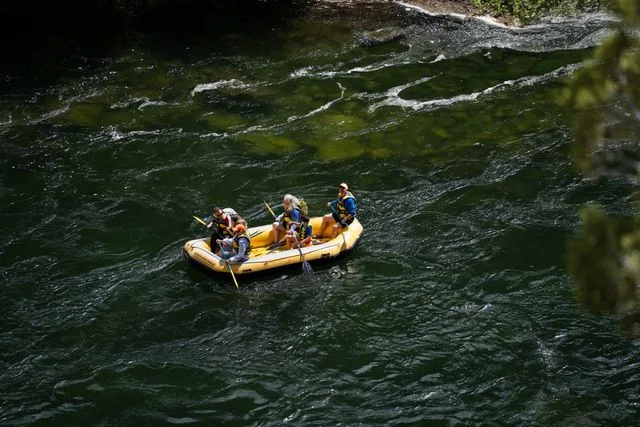
River rafting is the sport of navigating a river by boat, using paddles or oars to steer and propel an inflatable raft downstream. The activity ranges from calm, scenic floats on gentle waters to intense expeditions through challenging whitewater rapids. Participants sit in an inflatable raft alongside other paddlers and follow the guidance of a trained guide who directs the group through various water conditions. The guide communicates paddling instructions, explains river features, and ensures safety throughout the journey.
Rafts come in different sizes and designs depending on the river and experience level. Smaller rafts might carry four to six people and offer more technical paddling, while larger commercial rafts can accommodate ten or more participants and are commonly used for family outings. The raft itself is made from durable, puncture-resistant material designed to stay afloat even when water splashes in during rough sections. Before launching, guides inspect equipment, distribute life jackets, helmets, and paddles, and provide comprehensive safety briefings to all participants.
The actual experience of rafting involves reading water conditions, coordinating paddle strokes with your group, and responding to your guide's instructions in real time. Some stretches might be flat and peaceful, allowing time to enjoy scenery and wildlife, while others feature Class I through Class V rapids that range from small waves to extremely demanding whitewater. Most recreational rafting trips focus on Class I through Class III rapids, which provide excitement without requiring specialized training.
Understanding River Difficulty Ratings
Rivers and their rapids are classified using a standardized system that helps people understand what to expect. The International Scale of River Difficulty runs from Class I to Class VI, with Class I being the easiest and Class VI being virtually unnavigable for recreational purposes. Class I rapids feature small waves and minimal obstacles, making them suitable for anyone, including very young children and people with no paddling experience. Class II rapids involve some waves and small drops but remain manageable for most people with basic fitness.
Class III rapids introduce more significant waves, turbulence, and obstacles that require active paddling and some experience to navigate safely. Class IV rapids are considerably more challenging, with large waves, strong currents, and technical navigation requirements, typically requiring confident swimmers who can follow guide instructions precisely. Understanding your own comfort level with these classifications helps you choose appropriate trips and manage expectations before you launch.
Essential Gear and Preparation
Before you can start river rafting, you'll need basic equipment and proper physical and mental preparation. The most critical item is a United States Coast Guard-approved personal flotation device, commonly called a PFD or life jacket. A properly fitted PFD should be snug enough that it cannot slip over your shoulders but comfortable enough to wear for several hours. You'll also receive a helmet to protect your head from rocks or branches encountered during the trip.
Appropriate clothing is essential for both comfort and safety on the water. Wear quick-drying clothes rather than cotton, which absorbs water and can make you cold even on warm days. Water shoes or sandals with straps are preferable to bare feet or regular sneakers, which may come off in the water. On cold-water trips, guides may recommend a wetsuit or dry suit to maintain body temperature throughout the day.
Physical preparation does not require extensive training for beginner-level rafting, but general fitness helps you enjoy the experience more fully. Stamina for paddling several hours, basic upper-body and core strength, and reasonable balance are all helpful attributes. Approaching your first rafting trip with a willingness to follow instructions and maintain focus on safety protocols will make the experience more enjoyable and secure for everyone in your group.
Choosing Your First Rafting Trip
Selecting an appropriate first rafting experience involves considering several practical factors. Research outfitters in your region or travel destination and read reviews from previous customers to understand their reputation for safety and service. For beginners seeking a well-regarded introduction to Class III whitewater in California, South Fork American River Rafting offers guided trips on one of the most popular and scenic beginner-friendly rivers in the western United States. Review the difficulty classifications of available trips and match them to your experience level and comfort with moving water.
Consider the duration of the trip you want to take, ranging from half-day outings lasting three to four hours to full-day expeditions spanning eight or more hours. Half-day trips are excellent for first-timers because they provide enough time to build confidence without causing excessive fatigue. Cost varies significantly based on trip length, difficulty, and outfitter reputation, so be cautious of prices substantially below regional averages, which may indicate inadequate safety equipment or less experienced guides. Reputable outfitters include all necessary equipment, professional guides, and appropriate safety measures in their quoted prices.
Building Your Skills and Confidence
Your first rafting trip is the beginning of a journey that many people continue for years. During this initial experience, focus on learning basic paddling techniques, following guide instructions promptly, and building comfort in the water environment. Guides are accustomed to teaching beginners and will break down paddling movements into simple, understandable steps. Pay close attention during the safety briefing and ask any questions about techniques or procedures before the trip begins.
As you complete your first trip, you'll gain insights into your own preferences and capabilities. You might discover that you enjoy the social aspects of group rafting, the physical challenge of paddling, or the adrenaline rush of rapids, and these preferences will guide your choices for future outings. Many people progress to more challenging rivers, longer expeditions, or overnight camping journeys, while others prefer returning to familiar beginner routes year after year. Joining local rafting clubs or paddling communities can deepen your involvement, provide mentorship, and connect you with others who share your interests.
Conclusion
River rafting is an accessible outdoor activity that combines adventure, physical engagement, and natural beauty in a single experience. From understanding what the activity involves to choosing your first trip and progressing to more challenging adventures, the pathway into the sport is straightforward and welcoming. Beginning with proper preparation, appropriate gear, and realistic expectations sets you up for a positive experience on the water. Whether you raft once or pursue it as a long-term passion, navigating moving water alongside a community of fellow adventurers offers unique rewards that extend well beyond the river itself.