
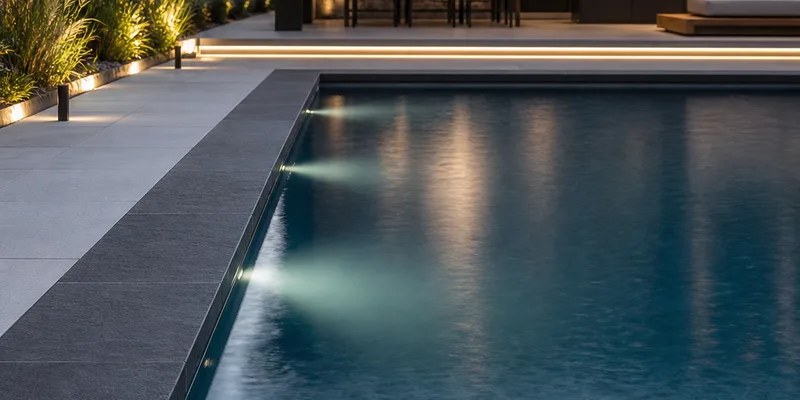
Melbourne's coastal suburbs, particularly Elwood with its proximity to Port Phillip Bay, are home to residents who cherish outdoor living and swimming. The beach lifestyle and warm summers make private pools essential amenities for many Elwood households. The city's vibrant community values recreational swimming, water sports, and quality outdoor spaces where families gather. However, maintaining a pool in this coastal environment presents unique challenges. Salt spray, pollen, leaves, and sand all find their way into pools, creating maintenance demands that Elwood pool owners must understand and manage effectively. Your pool filter is the hardest-working component of your entire pool system, removing debris and particles that keep water clean and clear. When your filter blocks or becomes clogged, your entire filtration system fails, water quality deteriorates rapidly, and your pool becomes unsafe. Understanding what causes pool filter blockage and knowing when to seek professional help through pool cleaning Elwood services can keep your filter functioning optimally and your pool water crystal clear.
Understanding Pool Filter Blockage
There's nothing more frustrating than checking your pool filter pressure gauge and discovering it's reading dangerously high, indicating that your filter is severely clogged. A blocked pool filter stops removing debris and particles from your water, causing cloudiness, reduced circulation, and compromised water quality. Many pool owners don't realize their filter is blocked until they notice water clarity problems or the filter pressure becomes alarmingly high.
Your pool filter accumulates debris continuously as it removes particles from the water. Leaves, pollen, hair, dead skin cells, algae, and other organic matter all collect on and in your filter media. As this debris layer thickens, water flow through the filter decreases, pressure increases, and eventually the filter becomes completely blocked if not cleaned or backwashed. Understanding what causes excessive blockage and implementing proper maintenance prevents filter failure. When your filter becomes severely clogged or backwashing no longer restores proper flow, professional assistance through pool cleaning Elwood services can clean your filter thoroughly and restore optimal function.
Common Causes of Pool Filter Blockage
Debris Accumulation and Lack of Regular CleaningThe most common cause of filter blockage is simply debris accumulation from not cleaning your filter regularly. Leaves from nearby trees, grass clippings, pollen, and other organic material collect in your filter. In coastal Elwood, salt spray and sand add additional debris burden. If you don't backwash your filter regularly or frequently enough, debris builds up faster than water can flow through it.
During autumn when trees shed leaves heavily, or after windy days when pollen and debris blow into your pool, filter pressure increases rapidly. Regular backwashing keeps filters clean and maintains proper flow, but many pool owners neglect this crucial maintenance task.
Algae Blooms and Cell BuildupWhen algae blooms occur in your pool, dead algae cells clog your filter as the filter removes them from the water. A severe algae bloom can cause filter pressure to spike dramatically as the filter works overtime removing algae cells. The more algae present, the faster your filter clogs with dead cells.
Algae blooms often occur after extended warm periods, heavy rain, or when chlorine levels drop. Once algae blooms, your filter faces significant additional burden.
Dirt and Sand IntrusionIf your pool deck isn't maintained properly, dirt and sand get tracked into the pool. Loose pool drain plugs, cracks in concrete, or poor landscaping around your pool allow dirt to enter. In Elwood's beach environment, wind easily carries sand into pools. Excessive dirt and sand clogs filters much faster than typical organic debris.
High Bather Load and Organic ContaminationWhen many people use your pool simultaneously—during parties, family gatherings, or in busy households—the filter faces increased demand removing sweat, sunscreen, hair, and dead skin cells. Pools with heavy use accumulate organic contamination faster than lightly-used pools.
Sunscreen is particularly problematic—it doesn't dissolve in water and clogs filters rapidly. Body oils and cosmetics contribute additional organic load.
Inadequate Pool Circulation TimeIf you don't run your filter long enough each day, debris accumulates faster than it's being removed. Your filter needs adequate run time to process the water volume and remove all debris. During peak summer months or in heavily-used pools, standard 8-hour filtration might be insufficient.
Malfunctioning or Damaged Filter MediaFilter cartridges and sand can develop damage that prevents proper filtration. Torn cartridge pleats allow debris to bypass the filter media. Sand filters can develop cracks or channels where water flows through without being properly filtered. As filter media ages, it becomes less effective at capturing fine particles.
High Mineral Content and Chemical BuildupHard water with high calcium and mineral content can cause mineral deposits to build up in your filter, reducing water flow. Similarly, improper chemical balance can cause particles to precipitate out of solution, clogging your filter faster.
A Local Elwood Story: Marcus's Filter Success
Marcus, an Elwood pool owner, noticed his filter pressure climbing dangerously high despite regular backwashing. His water appeared cloudy, and he suspected something was wrong beyond basic debris accumulation. He contacted The One Pool Care, a professional pool cleaning service in Elwood. They discovered his filter cartridge was torn, allowing debris to bypass the media, and calcium deposits from hard water were reducing water flow. After replacing the cartridge and chemically cleaning the filter, his circulation restored perfectly and his water cleared within hours.
Practical Solutions You Can Try at Home
Backwash Your Filter RegularlyFor sand filters, backwash weekly during summer or whenever the pressure gauge reads 8-10 psi above normal operating pressure. Turn off the pump, set the multiport valve to backwash, turn the pump back on, and run until the discharge water runs clear. This removes trapped debris and restores flow.
Clean Cartridge Filters ProperlyRemove your cartridge filter element, rinse it thoroughly with clean water using a garden hose with moderate pressure, and inspect for tears or damage. Rinse vertically from top to bottom to remove debris from pleats. If the cartridge is torn or permanently discolored, replace it.
Monitor Filter PressureCheck your filter's pressure gauge regularly—ideally daily during swimming season. Know your filter's normal operating pressure when clean. When pressure rises 8-10 psi above normal, it's time to backwash or clean. This prevents severe blockage.
Maintain Adequate Run TimeRun your filter 10-12 hours daily during summer, reducing to 6-8 hours during cooler months. Longer filtration time ensures adequate water circulation and debris removal.
Remove Pool Debris RegularlyUse a skimmer net to remove leaves and surface debris daily. Vacuum your pool floor to remove settled debris before it clogs your filter. Keep your pool deck clean to minimize dirt and sand entering the water.
Use a Drain Cover and Pool CoverInstall a drain cover to prevent debris from entering through the main drain. Cover your pool when not in use to reduce leaves, pollen, and debris from falling in.
Monitor Chemical BalanceTest your water chemistry regularly and maintain proper calcium hardness between 200-400 ppm. High mineral content accelerates filter clogging, so managing hardness prevents problems.
When to Seek Professional Help
If your filter pressure remains high despite backwashing, if your cartridge is torn or permanently discolored, if you notice debris bypassing your filter, or if your filter is more than 5-7 years old and not performing well, professional cleaning is worthwhile. Professional pool cleaners have specialized equipment for thorough filter cleaning, can assess whether repair or replacement is needed, and can identify underlying issues causing rapid blockage.
Preventative Measures for Filter Health
Backwash sand filters weekly. Clean cartridge filters bi-weekly during heavy use. Maintain proper run time—10-12 hours daily in summer. Remove debris from your pool daily. Keep your pool deck clean. Monitor filter pressure regularly. Replace filter media every 3-5 years as needed. Maintain proper chemical balance. Cover your pool when not in use.
Conclusion
A blocked pool filter compromises your entire pool system and water quality, but most blockage is preventable with proper maintenance and attention. Whether your filter is clogged from leaves, algae, debris, or mineral buildup, solutions exist to restore optimal function. Elwood residents experiencing persistent filter blockage should start with regular backwashing and maintenance, but don't hesitate to seek professional pool cleaning Elwood services for deep cleaning or filter replacement. With proper care and expert help when needed, you can keep your filter functioning optimally and maintain crystal-clear, safe pool water throughout Melbourne's warm seasons. Take action today to maintain your filter's health and protect your pool investment.