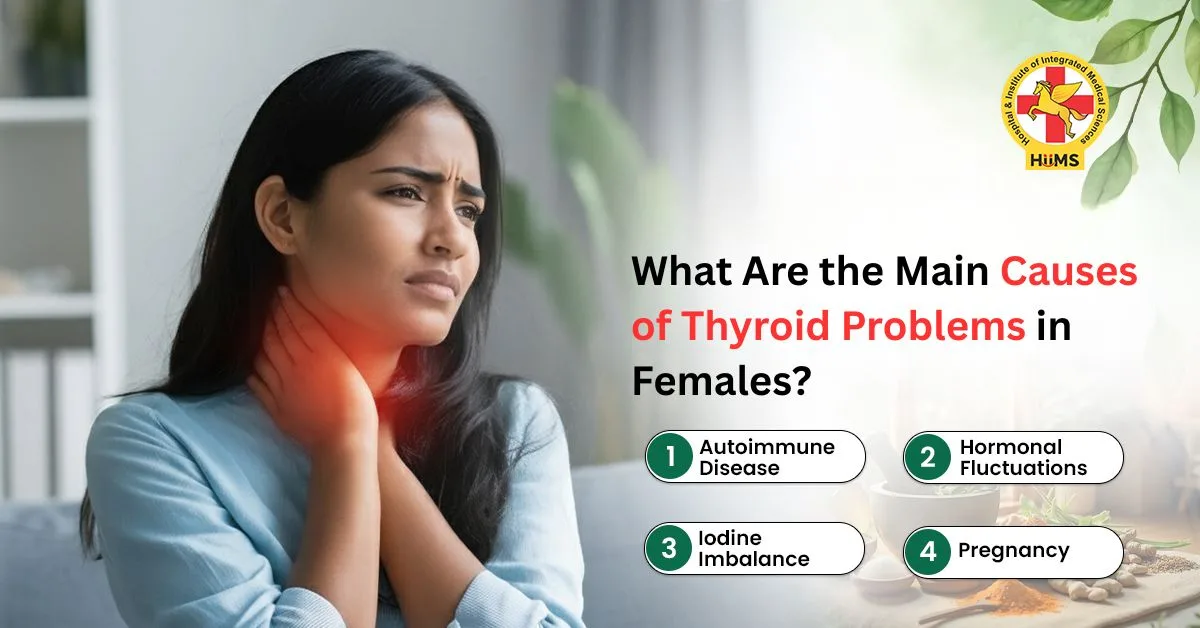
Thyroid problems are becoming increasingly common among women of all age groups. The thyroid is a small butterfly-shaped gland located at the front of the neck, but it has a significant impact on overall health. It produces hormones that regulate metabolism, energy production, body temperature, heart function, menstrual health, and emotional well-being. When the thyroid gland does not produce the right amount of hormones, it can affect nearly every organ in the body.
Women are more likely to experience thyroid disorders than men because of hormonal changes during puberty, pregnancy, and menopause. Understanding the causes of thyroid problems can help in early identification and better management. At Jeena Sikho HiiMS, emphasis is placed on understanding the root causes of health concerns while encouraging a balanced lifestyle and holistic wellness practices.
Why Are Females More Prone to Thyroid Problems?
Women experience frequent hormonal fluctuations throughout their lives. These changes influence the endocrine system, including the thyroid gland. In addition, autoimmune conditions are more common in females, making them more vulnerable to thyroid disorders such as hypothyroidism and hyperthyroidism.
Several lifestyle and environmental factors can also contribute to thyroid dysfunction, making awareness and preventive care essential.
Main Causes of Thyroid Problems in Females
1. Hormonal Changes
Hormonal fluctuations are among the most common causes of thyroid problems in women. During different stages of life, hormone levels naturally change, affecting thyroid function.
1.1 PubertyThe onset of puberty involves significant hormonal changes that may influence thyroid hormone production. Some girls may develop thyroid imbalance during adolescence, especially if there is a family history of thyroid disorders.
1.2 PregnancyPregnancy increases the body's demand for thyroid hormones to support both the mother and the developing baby. In some women, the thyroid gland struggles to meet this increased requirement, leading to thyroid dysfunction.
1.3 MenopauseAs estrogen levels decline during menopause, thyroid-related symptoms may become more noticeable. Fatigue, mood swings, weight changes, and sleep disturbances can overlap with thyroid problems, making proper evaluation important.
2. Autoimmune Disorders
Autoimmune diseases are one of the leading causes of thyroid disorders in women. In these conditions, the immune system mistakenly attacks the thyroid gland.
The two most common autoimmune thyroid conditions are:
- Hashimoto's thyroiditis, which often results in reduced thyroid hormone production.
- Graves' disease, which causes excessive thyroid hormone production.
Women are significantly more likely than men to develop autoimmune thyroid diseases.
3. Family History and Genetics
Genetics plays an important role in thyroid health. If close family members such as parents or siblings have thyroid disorders, the likelihood of developing similar conditions increases.
Although genetics cannot be changed, being aware of family history allows individuals to monitor thyroid health more closely and seek timely medical guidance.
4. Iodine Imbalance
Iodine is an essential mineral required for thyroid hormone production. Both iodine deficiency and excessive iodine intake can interfere with normal thyroid function.
A balanced diet containing appropriate amounts of iodine supports healthy thyroid activity. Extreme dietary habits or excessive use of supplements without professional guidance may disturb this balance.
5. Chronic Stress
Long-term stress affects the body's hormonal balance and may indirectly influence thyroid function. Chronic stress can alter communication between the brain and endocrine glands, potentially contributing to thyroid imbalance.
Managing stress through relaxation techniques, regular physical activity, proper sleep, and mindfulness practices may support overall hormonal health.
6. Poor Dietary Habits
Nutrition has a direct impact on thyroid function. A diet lacking essential vitamins and minerals may affect hormone production and metabolism.
Important nutrients for thyroid health include:
- Iodine
- Selenium
- Zinc
- Iron
- Vitamin D
- Vitamin B12
Including a variety of fresh fruits, vegetables, whole grains, nuts, seeds, and balanced meals can contribute to better overall health.
7. Nutrient Deficiencies
Certain nutritional deficiencies may increase the risk of thyroid dysfunction.
7.1 Selenium Deficiency
Selenium helps convert inactive thyroid hormones into their active form. Low selenium intake may affect normal thyroid function.
7.2 Iron Deficiency
Iron is necessary for proper thyroid hormone production. Women with heavy menstrual bleeding may be more susceptible to iron deficiency, which can influence thyroid health.
7.3 Vitamin D Deficiency
Research suggests that low vitamin D levels may be associated with autoimmune thyroid conditions in some individuals.
8. Lifestyle Factors
An unhealthy lifestyle can gradually affect endocrine health and thyroid function.
Common lifestyle-related risk factors include:
- Lack of physical activity
- Poor sleep quality
- Smoking
- Excessive alcohol consumption
- Highly processed food consumption
- Irregular daily routine
Maintaining a healthy lifestyle supports overall hormonal balance.
9. Environmental Factors
Exposure to environmental pollutants and certain industrial chemicals may interfere with thyroid hormone production. Although occasional exposure is difficult to avoid, reducing contact with harmful chemicals whenever possible may benefit long-term health.
10. Age-Related Changes
The risk of thyroid disorders generally increases with age, particularly after the age of 35 to 40 years. Regular health check-ups become increasingly important as women grow older, especially if they have additional risk factors.
Common Symptoms of Thyroid Problems in Females
The symptoms vary depending on whether the thyroid is underactive or overactive. Some commonly reported symptoms include:
- Persistent fatigue
- Unexplained weight gain or weight loss
- Hair thinning or excessive hair fall
- Dry skin
- Mood changes
- Anxiety or irritability
- Irregular menstrual cycles
- Difficulty concentrating
- Constipation
- Increased sensitivity to cold or heat
- Swelling around the neck
- Muscle weakness
If these symptoms continue for an extended period, professional evaluation is recommended.
How Can Women Support Thyroid Health Naturally?
Maintaining healthy daily habits can support overall thyroid wellness.
1. Follow a Balanced Diet
Consume nutrient-rich foods that provide essential vitamins, minerals, and antioxidants to support normal body functions.
2. Stay Physically Active
Regular exercise helps maintain a healthy metabolism, supports hormonal balance, and improves overall well-being.
3. Manage Stress Effectively
Yoga, meditation, deep breathing exercises, and adequate rest may help reduce stress and support hormonal health.
4. Get Quality Sleep
Aim for 7–8 hours of restful sleep each night to allow the body and endocrine system to function optimally.
5. Schedule Regular Health Check-ups
Women with a family history of thyroid disorders or persistent symptoms should consider regular thyroid screening as advised by a qualified healthcare professional.
Holistic Wellness Approach at Jeena Sikho HiiMS
At Jeena Sikho HiiMS, the focus is on understanding the underlying factors that may contribute to health concerns. The approach emphasizes personalized wellness, balanced nutrition, healthy lifestyle practices, stress management, and Ayurvedic principles that aim to support overall well-being. Individuals receive guidance that encourages sustainable lifestyle improvements designed to promote long-term health.
Conclusion
Thyroid problems in females often develop due to a combination of hormonal changes, autoimmune conditions, genetics, nutritional deficiencies, stress, lifestyle habits, and environmental factors. Since women experience multiple hormonal transitions throughout life, they are naturally more susceptible to thyroid disorders.
Recognizing the early signs, maintaining a healthy lifestyle, consuming a balanced diet, and seeking timely professional guidance can help support thyroid health. At Jeena Sikho HiiMS, a holistic approach encourages addressing the root factors influencing overall wellness while promoting healthier daily habits for long-term well-being.