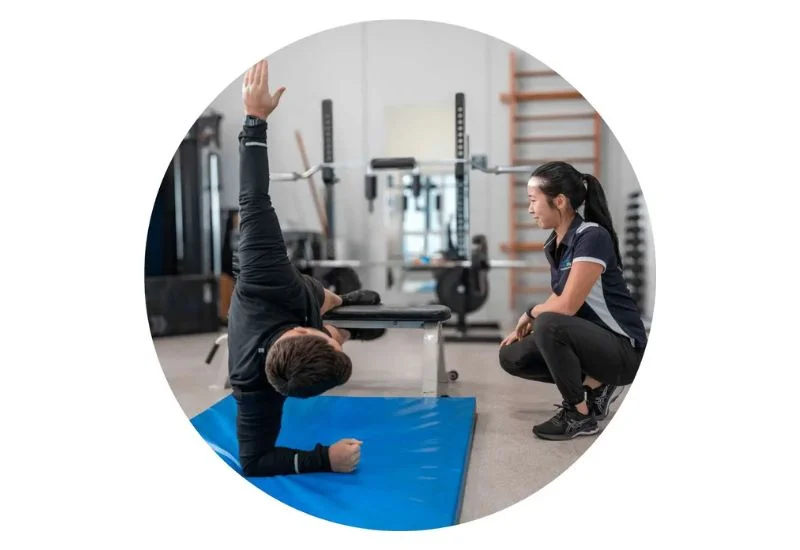

A very common site-access vulnerability becomes readily apparent in the Australian summer season, when temperatures exceed 40 degrees at a residential construction site near Kingswood. It is not the capital machinery or the concrete supply chain-related issue. It is the physical degradation of the crew members because heavy tool belts drag down pelvises, overhead sheetrock installations pin shoulders and rapid, unthinking lifting patterns wear down spinal discs slowly but surely. In this situation, a qualified physiotherapist in Penrith is the right person to approach, as these professionals can access acute mechanical failures faster. They see the same pattern: minor issues ignored earlier translate into long recovery periods later.
COMMON INJURIES THAT KEEP SHOWING UP ON PENRITH JOB SITES
Different trades create different risks, but some injury patterns are surprisingly consistent and common presentations include:
- Lower back strain from repetitive lifting
- Shoulder impingement from overhead work
- Knee irritation from prolonged kneeling
- Tennis elbow and forearm strain
- Ankle injuries on uneven surfaces
- Neck stiffness from machinery operation and driving
WHAT ACTUALLY CAUSES TRADE INJURIES ON SITE?
Trade injuries that physiotherapists Penrith detect are not the result of a single bad movement. They are caused by a combination of load fatigue, speed, and poor setup. This is very common among carpenters experiencing elbow pain after weeks of repetitive cutting, sparkies reaching overhead all day, or plumbers working in cramped roof space across uneven ground on a site. Safework Australia identifies hazardous manual tasks such as lifting, lowering, pushing, pulling, carrying, or restraining as frequent causes of trade injuries on-site.
THE PRACTICAL HABITS THAT PREVENT THE WORST OF IT
This is the boring part, and it is also the part that works.
- Break the load down before you lift it
- Keep the task close to the body
- Set the work height properly instead of making do
- Use kneeling pads, trolleys, or a second set of hands
- Swap sides and positions through the day
- Stop pretending pain is just tightness
A decent physio program created by a physiotherapist in Penrith or a sports injury physiotherapy professional will not change symptoms. This program will look at movements, load tolerances and whether the job itself needs some adjustment. Sports injury physiotherapy professionals can be helpful for non-athletes as well, because the logic behind injury and treatment is the same: manage load, rebuild capacity, and return to full work without cutting corners.
A SIMPLE DECISION RULE FOR TRADIES
When a movement starts to feel risky, you should ask three things:
- Is the load avoidable?
- Is the setup worth changing?
- Will this hurt more tomorrow if I keep going?
If the answer to any of those is "yes", you must slow down immediately. A sore shoulder that drags on for six weeks costs more than the extra time spent setting up a safer lift today.
FATIGUE IS A MAJOR CONTRIBUTOR TO INJURIES
People often assume that weight or heavy objects cause more workplace injuries that force people to visit a physiotherapist in Penrith. But this is wrong, and in fact, a tired working professional lifting a moderate amount of load at 3:00 PM can be at greater risk compared to a fresh worker lifting a heavier load at 7:00 AM. According to SafeWork Australia, body stress is a leading cause of serious workers compensation claims nationwide. Repeated movements, awkward postures and sustained force are other major contributors, but the real problem is the fatigue that develops gradually. Workers often think that they have adapted to the task, but this does not happen, and they have to compensate later in the form of decreased movement quality. This is where the mistakes happen.
DELAYED TREATMENT
Many tradespeople delay treatment because they fear losing income, and this decision sometimes makes financial sense, but just for a few days.
It becomes expensive afterwards because even a minor shoulder issue will grow and require the following –
- Modified duties
- Reduced lifting capacity
- Additional recovery time
WHAT SIMPLE HABITS REDUCE THE RISK OF TRADE INJURIES?
Many prevention strategies are not complicated at all, but maintaining consistency is a challenge, as studied by sports injury physiotherapy professionals even in sports injuries. Some common steps you can take to reduce trade injuries are reviewed below.
WARM UP BEFORE PHYSICAL WORK
Athletes rarely begin intense activity without preparation, but tradespeople often do. The fact is that five minutes of movement preparation can help improve mobility and circulation before demanding tasks. Some very common examples include:
- Bodyweight squats
- Shoulder circles
- Walking lunges
- Hip mobility drills
- Light stretching
This approach is common within sports injury physiotherapy programs because tissues generally perform better when gradually loaded.
CHANGE POSITIONS MORE OFTEN
Remaining in one position for long periods creates problems, and these positions commonly include the following –
- Kneeling
- Standing
- Driving
- Overhead work
Even brief movement breaks can reduce cumulative stress on joints and muscles.
DON'T CHASE SPEED EVERY DAY
Many experienced supervisors recognise this issue, and for them, productivity targets matter more than anything else. However, rushing repetitive physical tasks often increases the risk of injury, and they must understand that fast work performed with poor mechanics rarely remains efficient for long.
WHAT TRADESPEOPLE OFTEN GET WRONG ABOUT STRENGTH?
This statement might surprise people that a physically strong worker can still be vulnerable to injuries. Strength helps for sure, but more important is movement capacity, because someone may deadlift an impressive weight in a gym yet struggle with repetitive twisting, prolonged kneeling, or overhead reaching.
WEATHER CONDITIONS MATTER MORE THAN MOST WORKERS THINK
Penrith's climate creates challenges throughout the year because the summer heat increases fatigue and winter mornings can leave muscles and joints noticeably stiffer than usual. Proper hydration can be a game-changer, particularly during winter days when water consumption drops naturally. Even mild dehydration may contribute to:
- Reduced concentration
- Earlier fatigue
- Slower physical recovery
EARLY WARNING SIGNS WORTH PAYING ATTENTION TO
Many injuries provide warning signs before becoming serious, and some common examples include:
- Persistent morning stiffness
- Pain that returns each workday
- Reduced grip strength
- Limited shoulder movement
- Tingling sensations
- Recurring swelling
These symptoms are not always severe, but they are rarely random. Waiting for pain to become unbearable tends to narrow available treatment options.
A PHYSIO'S VIEW ON THE TRADE-OFFS
In real jobs, perfect prevention does not exist. You cannot foam-roll your way out of a bad site layout. Sometimes the client wants speed, sometimes the budget is tight, and sometimes the safest option is not the cheapest one. The smarter play is usually a mix of:
- Better task setup
- Small changes to load handling
- Early treatment when pain is still manageable
A work plan that does not rely on one person carrying the whole job
That is also why a quick assessment by an expert of physiotherapy in Penrith can be cheaper than waiting for the injury to announce itself.
QUICK PREVENTION CHECKLIST FOR BUSY CREWS
If the day is already packed, these are the basics worth keeping in mind:
- Warm up before the first hard lift
- Use tools that reduce grip strain where possible
- Avoid twisting under load
- Rotate high-repetition tasks
- Hydrate before you feel thirsty
- Report early pain before it becomes compensation pain
That final point is the one that gets ignored most often. Pain that changes how you move is not "just part of the trade". It is usually the start of a longer problem.
FAQs
IS A PHYSIOTHERAPIST PENRITH TRADIES SEE ABLE TO HELP BEFORE AN INJURY BECOMES SERIOUS?
Yes. Early treatment can pick up load issues, movement faults, and weak spots before they turn into time off work.
WHAT TRADE INJURIES SHOW UP MOST OFTEN?
Back, shoulder, knee, neck, wrist, and elbow problems are common where lifting, kneeling, reaching, or repetitive use is part of the day.
DOES SPORTS INJURY PHYSIOTHERAPY ONLY SUIT ATHLETES?
No. The same load-management approach works well for tradies who need to recover and return to physically demanding work.
CAN HEAT REALLY MAKE INJURIES MORE LIKELY?
Yes. Heat increases fatigue, and fatigue affects concentration, strength, and control on site.
SHOULD TRADIES PUSH THROUGH PAIN IF IT SETTLES AFTER WORK?
Not usually. If the pain comes back every shift, the body is giving a pattern, not a coincidence.
WHAT IS THE BIGGEST MISTAKE PEOPLE MAKE WITH MANUAL TASKS?
Trying to save time by carrying too much, too far, or too awkwardly.
CAN A PHYSIO HELP WITH RETURN-TO-WORK PLANNING?
Yes. A good plan should match the job demands, not just the clinic exercise routine.
IS IT WORTH SEEING SOMEONE IF THE INJURY IS STILL MILD?
Usually, yes. Mild pain is when prevention is cheapest and simplest.
FINAL THOUGHTS
The best injury prevention in trade work is rarely dramatic. It is small decisions made early, before the shoulder tightens, the back locks up, or the heat knocks the edge off judgment. If the load is getting harder to manage, a local assessment from a physiotherapist Penrith workers can rely on is a practical next step.