
A white patch can seem like a tiny thing at first. Then you notice it again while getting dressed, washing your hands, or looking in the mirror before leaving home. Naturally, questions follow. Can it spread? Is there something natural that may help? For people searching for the best ayurvedic treatment for vitiligo, Shri Chyawan Ayurved offers Ayurvedic products aimed at supporting people dealing with white patches. Still, vitiligo is a medical skin condition, so natural medicine is worth exploring with a clear head rather than expecting an overnight fix.
Vitiligo develops when melanocytes, the cells that produce melanin, are lost or damaged. The result is lighter or completely white areas of skin, which may appear on the face, hands, feet, arms or other parts of the body. The pattern isn't the same for everyone. Some people have a few small patches, while others develop more widespread changes.
And one reassuring thing right away: vitiligo isn't contagious. You cannot catch it from another person.
Why are people interested in natural medicine for vitiligo?
There is a certain appeal to natural medicine. Maybe it is the familiarity of herbs, or the idea of adding a simple daily routine rather than constantly changing products. Ayurveda has used plants and herbal preparations for generations, including in traditional approaches to skin concerns.
That has led many people to search for terms such as Ayurvedic treatment for vitiligo, natural treatment for vitiligo, Ayurvedic medicine for white patches, and herbal remedies for vitiligo.
There is nothing wrong with being curious. The tricky part is separating traditional use from what has actually been demonstrated in clinical research.
Current NHS guidance says there is not enough evidence to recommend complementary therapies for vitiligo, and herbal remedies may interact with medicines or affect how they work.
So, Ayurvedic care may be considered as a complementary option, but it shouldn't replace a proper diagnosis or a treatment plan from a dermatologist.
Ayurvedic herbs people often talk about
Search online for Ayurvedic herbs for vitiligo, and you'll quickly come across names such as Bakuchi. This plant has a long history of traditional use in preparations for pigmentation-related skin concerns.
It sounds promising, right?
There is a catch. Bakuchi, also known as Psoralea corylifolia, contains compounds that can affect the skin's response to light. A systematic review of medicinal plants used for vitiligo and pigmentation conditions reported adverse reactions associated with Psoralea corylifolia, including redness, blistering and other skin reactions.
That is one reason homemade herbal mixtures aren't necessarily a good idea. A plant being traditional or natural doesn't automatically make every method of using it safe.
Concentration, preparation, dosage and sunlight exposure can all matter.
Where can Shri Chyawan Ayurved fit into the picture?
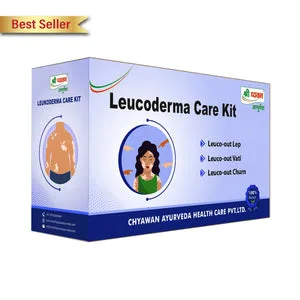
People researching Ayurvedic medicine for vitiligo often want a ready-to-use product rather than mixing herbs at home. Shri Chyawan Ayurved offers products such as its Leucoderma Care Kit for people interested in Ayurvedic support for white patches.
If you are considering an Ayurvedic product, read its ingredients and directions carefully. Follow the recommended method of use rather than increasing the quantity because you hope for quicker results. Skin usually doesn't work that way.
It is also sensible to tell your doctor or dermatologist about herbal products you are using, particularly if you take prescription medicines or have another medical condition. Some herbal preparations can interact with medicines.
And if a product causes burning, swelling, intense itching, blistering or persistent redness, stop using it and seek medical advice.
Can natural medicine cure vitiligo?
This is probably the biggest question.
At present, there isn't a universally reliable cure for vitiligo. Dermatological treatments can help some people regain skin colour or slow the appearance of new patches, but treatment response varies. The American Academy of Dermatology also notes that treatment tends to work slowly and that repigmentation may fade over time.
Research into natural products is still going on. A systematic review of nutritional, supplement and herbal therapies found some promising areas, including certain herbal and nutritional interventions, but concluded that more research is needed.
So if you see a claim saying a particular herb will permanently remove vitiligo, pause for a second.
A more realistic view is that herbal medicine may be something a person chooses to discuss with a qualified practitioner alongside appropriate medical care.
What about a vitiligo diet?
Food gets surprisingly complicated online.
One website says avoid milk. Another says avoid citrus fruits. Someone else recommends a long list of juices and supplements. Before long, breakfast itself starts feeling like a medical appointment.
There is no established diet that can cure vitiligo. Research into vitamins, minerals, supplements and diet is still developing, and dermatology guidance says more research is needed before these approaches can be recommended as effective treatments.
A sensible diet is still useful for general health. Include vegetables, fruits, pulses, whole grains, nuts, seeds and adequate protein. If blood tests show a nutritional deficiency, address it with professional advice rather than taking several supplements at once.
Eating well supports the body. It shouldn't become a source of fear around every meal.
Sun protection is not optional
This part often gets overlooked.
Areas affected by vitiligo have less melanin, so they have less natural protection from ultraviolet radiation. Sunburn can be particularly painful on depigmented skin, and the contrast between white patches and tanned surrounding skin may also become more noticeable.
The NHS recommends strong sun protection for people with vitiligo, including sunscreen with SPF 50 or above and avoiding sunbeds.
A hat, long sleeves and shade can help too, especially during strong afternoon sunlight.
If you are using an herbal preparation that may increase sensitivity to sunlight, being extra careful becomes even more important.
Don't diagnose every white patch yourself
Not every pale patch is vitiligo.
A dermatologist can examine the skin and, when needed, use tools such as a Wood's lamp to help assess the patches. Getting the diagnosis right matters because different skin conditions can look somewhat similar.
This is especially useful if the patches are spreading quickly, new areas are appearing, or the skin changes are accompanied by other symptoms.
Once you know what you're dealing with, you can make much better decisions about vitiligo treatment, Ayurvedic options and skin care.
A practical way to think about Ayurvedic care
Natural medicine doesn't have to mean ignoring modern dermatology. The two conversations can exist side by side.
If Ayurveda interests you, choose products carefully, understand the ingredients, follow directions and speak with a qualified healthcare professional. Don't apply concentrated herbs to your skin just because someone online called them a miracle remedy.
Vitiligo can be unpredictable. Some people see changes quickly, while others may have stable patches for long periods. Treatment itself can take time.
And yes, that waiting can be frustrating.
Still, a calm routine goes a long way: protect your skin from the sun, eat normally and well, get the patches checked, and choose any natural treatment with realistic expectations. If Ayurvedic care is something you want to include, discuss it openly with your healthcare team.
Your skin doesn't need panic. It needs patience, protection and sensible care.