Flies driving you mad every summer? Here’s how to pick the most effective fly killer that actually works long-term, not just for a day or two.
Flies are one of those pests that seem harmless until you’re dealing with them every single day. One minute there’s one buzzing around your kitchen, and a week later you’ve got a full-blown infestation that nobody can explain. Most people reach for the nearest spray can and call it a day, but that’s not really a solution. It’s a band-aid. If you want flies gone for good, you need to think a bit more strategically about what you’re buying and why.
Why Most People Get Fly Control Wrong From the Start
The biggest mistake folks make is treating fly control like a one-time purchase. You buy a zapper, use it for two weeks in July, and then forget about it until next year when the problem comes back worse. Flies breed fast, and if you’re not consistent, you’re basically starting from zero every season. A proper fly killer setup isn’t a gadget you pull out occasionally, it’s something that runs in the background doing its job day after day, whether you’re thinking about it or not.
There’s also this assumption that stronger smell equals better results. People grab the chemical sprays thinking the stink means it’s working harder. Honestly, that’s not always true, and in enclosed spaces like kitchens or restaurants, it can actually make things worse because now you’ve got chemical residue near food prep areas. Not ideal, and frankly a bit lazy as a long term strategy.
What Actually Makes a Fly Killer Effective Long-Term
Effectiveness isn’t about how many flies die in the first hour. It’s about sustained reduction over weeks and months. A device that kills ten flies today but lets fifty more hatch next week isn’t doing its job properly. You want something that interrupts the breeding cycle, not just the visible adult flies buzzing around your head right now.
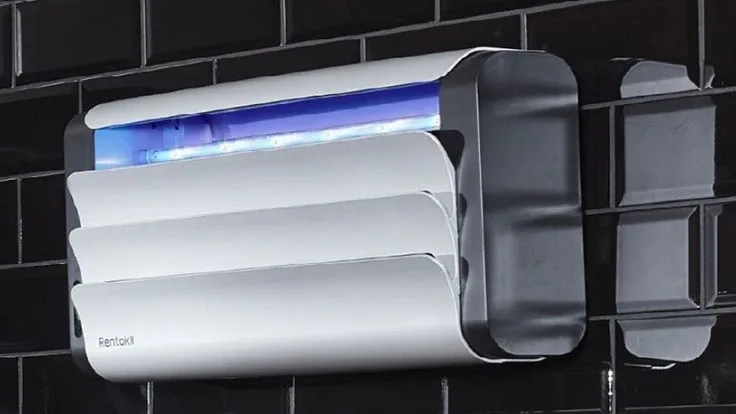
This is where UV light traps and glue board systems tend to outperform sprays and old-fashioned zappers. They work continuously, quietly, without you lifting a finger after installation. The flies are attracted to the light, they land, they stick, done. No chemicals drifting into the air, no mess, and critically, no tolerance building up like you sometimes see with repeated chemical exposure in pest populations over time.
Location Matters More Than People Realize
Where you place your fly killer changes everything about how well it performs. Stick it in a dark corner nobody walks past and you’ll barely catch anything, even with the best unit on the market. Flies are drawn to light and movement, so positioning near windows, doorways, or areas with natural light flow tends to pull in way more activity than a unit shoved behind a fridge.
Commercial kitchens know this well, which is why you’ll often see units mounted near entry points rather than buried in storage rooms. The same logic applies at home. If flies are coming in through a back door or getting attracted to bins near a window, that’s exactly where your trap needs to live, not somewhere convenient for your decor.
Size and Coverage Area Actually Matter
A lot of buyers underestimate how much space their fly problem actually covers. You can’t put a tiny domestic unit in a 2000 square foot warehouse and expect results, and yet people try this constantly. Manufacturers usually list coverage areas, and it’s worth actually reading that instead of guessing based on price or appearance.
Undersized units get overwhelmed fast, especially in warmer months when fly populations explode. If you’re dealing with a bigger space, commercial kitchen, farm building, large garden shed, you probably need multiple units working together rather than relying on one device to cover everything. Spreading coverage out also means flies get caught no matter which direction they enter from.
Maintenance Is the Boring Part Nobody Talks About
Here’s something that doesn’t get mentioned enough, even the best fly killer in the world needs upkeep. Glue boards fill up. Bulbs lose effectiveness over time, sometimes without any visible sign they’re weaker. If you’re not swapping these out on schedule, you’re basically running a less effective trap and don’t even realize it.
Most quality units will have a recommended replacement cycle, often tied to usage hours or seasons. Ignore this and you’ll wonder why your “effective” fly killer suddenly stopped working as well around month four. It’s not that the unit failed, it’s that nobody kept up with the basic maintenance it actually needed to keep performing.
Comparing Chemical-Free Options to Traditional Sprays
Chemical-free doesn’t mean weaker, which surprises a lot of people who assume harsh smells equal stronger results. UV light traps and sticky catch systems have come a long way, and in enclosed environments, they genuinely outperform sprays for sustained control. Sprays kill on contact, sure, but the effect fades within hours and does nothing for the flies that hatch tomorrow.
For homes with kids, pets, or anyone working around food prep, chemical-free fly killers are honestly the more sensible choice anyway. You’re not spraying insecticide near your dinner plates, and you’re not breathing in fumes every time you walk through the kitchen. The long-term coverage from a properly placed light trap tends to beat sprays hands down once you look past that first immediate kill.
Noise, Light, and Living With the Device Daily
Something people don’t think about until they’ve already bought the thing, how much noise and light does it actually produce. Some zappers make a loud crackling sound every time they catch something, which gets old fast if it’s near your living room or bedroom. Light traps tend to be quieter, running almost silently in the background which matters a lot for residential use.
If you’re installing something in a space people actually spend time in, factor this in before buying. A device that works great technically but annoys everyone in the house isn’t a great long-term fit. You want something that blends into daily life rather than something you’re constantly aware of, or worse, switching off because it’s irritating.
Cost Versus Value Over the Full Season
Cheap units often cost more in the long run once you factor in replacement parts, shorter lifespan, and the fact you might need to buy two or three to cover the same space one quality unit would handle. It’s worth doing the actual math rather than just looking at the sticker price on day one. A pricier unit that lasts three seasons and covers a wider area usually wins out financially.
Replacement glue boards and bulbs add up too, so check what those cost before committing to a brand. Some systems use proprietary parts that cost a fortune to replace, which kind of defeats the purpose of buying something built for long-term use in the first place. Do a bit of homework here, it pays off.
Matching the Fly Killer to Your Actual Environment
A fly killer built for outdoor patios won’t necessarily perform the same indoors, and vice versa. Outdoor units usually need weatherproofing and stronger attraction range since they’re competing against open air and other distractions. Indoor units can be more compact since they’re working in a contained space where flies have fewer places to escape to.
Restaurants, food processing facilities, and farms all have different needs compared to a regular household dealing with the occasional fly nuisance. Matching the device to your specific setting, rather than grabbing whatever’s popular or cheapest, makes a real difference in results. What works brilliantly in one environment might underperform badly in another.
Conclusion
At the end of the day, picking the most effective fly killer for long-term control comes down to understanding your space, being consistent with maintenance, and choosing a system built for sustained performance rather than quick kills. It’s not glamorous work, checking glue boards and swapping bulbs on schedule, but it’s what separates a fly-free home from one that’s fighting the same battle every single summer. If you want a solid example of what a well-built, chemical-free system looks like in practice, the Pelsis Aura fly killer is worth looking into, it ticks a lot of the boxes covered here around coverage, discretion, and genuine long-term reliability rather than just a quick fix.
FAQs
What is the most effective fly killer for home use?
UV light traps with sticky glue boards tend to work best for homes since they run continuously without chemicals, catching flies day and night without any effort from you.
How often should I replace glue boards in a fly killer?
Most manufacturers recommend replacing boards every few weeks during peak fly season, though it depends on usage and how many flies your space actually attracts.
Do chemical-free fly killers really work as well as sprays?
Yes, especially for long-term control. Sprays kill instantly but don’t stop future generations, while light traps work continuously and catch flies as they hatch.
Where should I place a fly killer for best results?
Near entry points, windows, or doors tends to work best since flies are drawn toward light and movement, and these spots catch them before they spread further inside.