
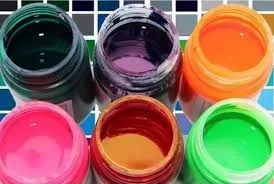
Oil-soluble dyes play a major role in modern industrial manufacturing by providing vibrant, transparent, and long-lasting coloration in oil-based systems. These dyes are widely used across industries such as plastics, fuels, lubricants, waxes, inks, coatings, cosmetics, and automotive products.
Unlike water-based colorants, oil-soluble dyes dissolve completely in oils, organic solvents, and non-polar materials, making them highly effective for applications where water-soluble dyes cannot perform efficiently.
As industrial demand for high-performance coloring solutions continues to grow, oil-soluble dyes have become essential for manufacturers seeking durability, consistency, and enhanced product appearance.
What Are Oil-Soluble Dyes?
Oil-soluble dyes are synthetic colorants specifically designed to dissolve in oils, hydrocarbons, waxes, solvents, and other non-water-based mediums. They are commonly categorized under solvent dyes because they dissolve in organic solvents instead of water.
These dyes are known for:
- Excellent solubility in oils and solvents
- Bright and transparent shades
- High tinting strength
- Good thermal stability
- Strong resistance to fading
- Uniform color distribution
Oil-soluble dyes are available in various shades including red, yellow, blue, green, orange, and black, depending on industrial requirements.
How Oil-Soluble Dyes Work
Oil-soluble dyes work by dissolving molecularly into the medium rather than remaining suspended like pigments. This creates transparent and uniform coloration without affecting the texture or clarity of the product.
Because they dissolve completely, they are especially useful in applications where transparency and smooth finish are important.
Industries use these dyes to:
- Improve product appearance
- Differentiate products through color coding
- Enhance brand identity
- Increase product visibility
- Maintain color consistency in manufacturing
Industrial Importance of Oil-Soluble Dyes
Plastic Industry
One of the largest applications of oil-soluble dyes is in plastic manufacturing. These dyes are used to color transparent and semi-transparent plastics while maintaining clarity and gloss.
Common applications include:
- Acrylic sheets
- PVC products
- Polycarbonate materials
- PET containers
- Engineering plastics
- Plastic packaging
Oil-soluble dyes help manufacturers achieve bright colors without reducing transparency.
Fuel and Lubricant Industry
Oil-soluble dyes are widely used in fuels, oils, lubricants, and greases for identification and branding purposes.
Applications include:
- Diesel coloring
- Petrol identification
- Aviation fuel marking
- Industrial lubricants
- Hydraulic oils
Different colors help industries distinguish between fuel grades and prevent product confusion.
Printing Ink Industry
Printing inks require colorants with excellent solubility and smooth dispersion. Oil-soluble dyes provide sharp and vibrant colors in solvent-based ink systems.
These dyes are commonly used in:
- Packaging inks
- Flexographic printing
- Gravure printing
- Industrial marking inks
- Specialty inks
Their transparency and brightness improve print quality and visual appeal.
Wax and Candle Manufacturing
Oil-soluble dyes are highly effective in coloring paraffin wax, decorative candles, and industrial wax products.
Benefits include:
- Uniform coloring
- Heat resistance
- Bright shades
- Smooth blending
These dyes help create decorative and premium-looking candle products.
Wood Coatings and Varnishes
Wood finishes and varnishes use oil-soluble dyes to enhance the natural beauty of wooden surfaces while adding rich color tones.
Applications include:
- Furniture coatings
- Wood stains
- Decorative varnishes
- Interior wooden finishes
These dyes provide transparent coloring that highlights wood grain patterns.
Automotive and Industrial Coatings
Automotive manufacturers use oil-soluble dyes in specialty coatings and industrial finishing systems.
Benefits include:
- UV resistance
- Thermal stability
- Strong color performance
- Compatibility with solvent-based systems
These properties make them suitable for demanding industrial environments.
Advantages of Oil-Soluble Dyes
Excellent Transparency
Oil-soluble dyes dissolve completely, allowing manufacturers to maintain product clarity and glossy appearance.
Strong Color Strength
Only a small quantity is needed to achieve intense coloration, making them cost-effective.
High Compatibility
They work efficiently with oils, waxes, solvents, plastics, and synthetic materials.
Thermal Stability
Many oil-soluble dyes can withstand high processing temperatures used in industrial manufacturing.
Smooth Dispersion
These dyes mix evenly without creating particles or sedimentation.
Difference Between Oil-Soluble Dyes and Pigments
Although both are used for coloring, oil-soluble dyes and pigments function differently.
FeatureOil-Soluble DyesPigmentsSolubilityCompletely dissolveRemain suspendedTransparencyTransparentOpaqueSurface FinishSmooth and glossyMatte or solidColor StrengthHighModerateApplicationOils, plastics, fuelsPaints, coatingsOil-soluble dyes are preferred when transparency and bright shades are required.
Factors to Consider When Choosing Oil-Soluble Dyes
Manufacturers should evaluate several factors before selecting a dye:
- Solubility compatibility
- Heat resistance
- Light fastness
- Chemical stability
- Application method
- Desired color intensity
- Regulatory compliance
Choosing the right dye improves product quality and production efficiency.
Growing Demand in Global Industries
The global demand for oil-soluble dyes is increasing due to growth in:
- Plastic manufacturing
- Packaging industry
- Automotive production
- Industrial coatings
- Specialty chemicals
Industries are also focusing on high-performance and environmentally compliant dye solutions to meet modern manufacturing standards.
India has become an important supplier of industrial solvent dyes due to strong manufacturing capabilities, competitive pricing, and expanding export markets.
Conclusion
Oil-soluble dyes are an essential part of modern industrial manufacturing. Their ability to deliver vibrant, transparent, and stable coloration makes them valuable across industries such as plastics, fuels, inks, waxes, coatings, and lubricants.
As industries continue to demand better aesthetics, product differentiation, and high-performance materials, the importance of oil-soluble dyes will continue to grow globally.
Choosing high-quality oil-soluble dyes helps manufacturers improve product appearance, maintain consistency, and achieve reliable industrial performance.