Site performance used to be measured in headcount and hours. More people, longer days, more output. That equation has been running out of road for a while now. The sites that move fastest today are doing it with better equipment choices rather than more of everything. Three categories in particular keep coming up in that conversation: compact loaders, crushing plant, and the drivetrain technology that runs through both.
The Compact Loader That Refuses To Specialise
Put a skid steer loader on a site and the first question isn't what it does. It's what it's doing right now. The answer changes through the day. Clearing one hour, grading the next, handling materials after that. The frame stays constant. The front end changes. What that means practically is one machine covering ground that used to need three separate hires, one operator doing it, and a site that keeps moving without waiting for the right equipment to show up.
The market for a skidsteer for sale spans a wide range of frame sizes, engine outputs, and lift configurations. Radial lift arms suit general material handling and loading. Vertical lift arms extend reach at height, which matters for tasks like loading high-sided vehicles or working at elevated stockpiles. Buyers who don't separate those two use cases end up with a machine that does one job well and the other poorly.
Crushing That Goes To The Material
A cone crusher is a secondary crushing machine. It takes material that's already been through a primary jaw crusher and reduces it further, producing the tightly graded aggregate that road base, drainage layers, and concrete production require. The cone's geometry compresses material between a fixed outer bowl and a rotating inner mantle, generating consistent particle shape across the output rather than the irregular flake that impact crushers can produce on certain rock types.
Contractors evaluating a cone crusher for sale are usually at a point where processing volume has outgrown what a jaw alone can do, or where the output specification has tightened to the point that secondary crushing is needed to meet it. Mobile cone units have changed this calculation considerably. A tracked cone can be on site within a project, fed directly from the jaw, and moved on when the material is processed. The fixed plant alternative involves infrastructure costs that only make sense at permanent quarry scale.
The Drivetrain Decision That Changes How Everything Else Feels
Mechanical transmission has been the default in construction plant for decades. It works. Operators know it. But the shift toward automatic transmission in heavier site equipment is moving faster than most people in the industry expected. The reason isn't comfort, though that's a side effect. It's efficiency. An automatic transmission holds the machine in the optimal gear for the load and the gradient without the operator making that call manually. On mixed terrain with variable loads, that consistency translates directly into fuel savings and faster cycle times.
The case for automatic transmissions becomes more compelling when operator experience is variable. A skilled driver with a manual box can extract maximum performance from a machine. An average driver with an automatic will outperform that same average driver on a manual almost every time. For fleet operators who can't guarantee consistent operator skill across every shift, the transmission does part of the job the operator used to do.
Where These Three Intersect On A Real Project
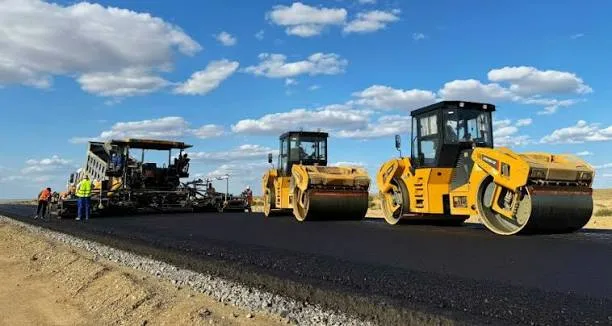
Quarrying and aggregate processing. Road base preparation. Large-scale civils. These are the environments where skid steer loaders, cone crushers, and transmission technology all show up on the same project. The loader moves feed material and manages stockpiles around the crusher. The cone produces the graded output that goes into the road construction sequence. The transmissions running through both the loader and the crushing plant's ancillary equipment determine how consistently those machines perform across a ten-hour shift.
The connection between them isn't coincidence. Sites that invest in one tend to invest in the others because the logic is the same in each case. Fewer operators doing more. Less downtime between tasks. Output that meets specification without rework. That pattern shows up on the projects that finish on programme and within budget more often than the ones running older, less capable equipment across the same scope of work.