A heating system is one of the most important parts of any home. During cold weather, it keeps your family warm, protects your pipes from freezing, and helps your home stay comfortable. Most homeowners do not think much about their heating system until something goes wrong.
A small heating problem may seem harmless at first. Maybe a radiator is not getting hot, your boiler is making strange noises, or your thermostat is not working properly. While these issues may look minor, they can quickly become serious if they are ignored.
Emergency heating repair is designed to fix heating problems before they cause major damage. Fast repairs can prevent water leaks, boiler breakdowns, burst pipes, expensive replacements, and high energy bills. Acting quickly not only restores heat to your home but also protects your property and saves money.
In this guide, we explain how emergency heating repair can prevent costly damage and why every homeowner should take heating problems seriously.
What Is Emergency Heating Repair?
Emergency heating repair is a service that provides immediate help when a heating system stops working or develops a serious fault. Unlike routine maintenance, emergency repairs focus on urgent issues that need fast attention.
These problems often happen unexpectedly and can leave your home without heat or hot water. During winter, this can become a major concern because cold temperatures can affect both your property and your family's comfort.
Common heating emergencies include:
- Boiler breakdowns
- No heating or hot water
- Leaking radiators
- Frozen pipes
- Low boiler pressure
- Faulty thermostats
- Water leaks from heating equipment
- Strange noises from boilers or radiators
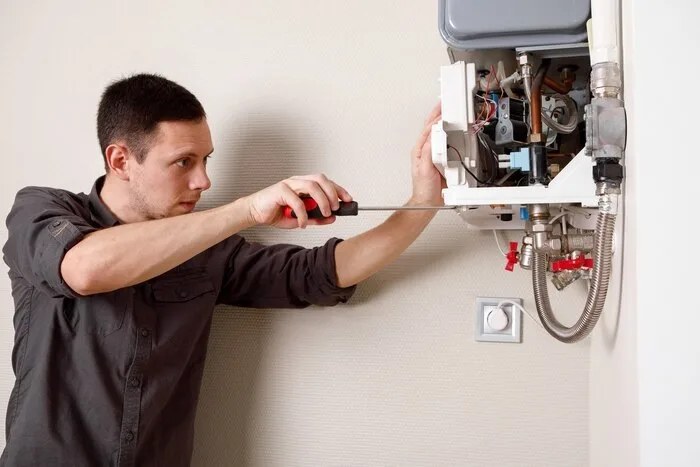
A qualified heating engineer can quickly inspect the system, identify the problem, and carry out repairs before further damage occurs.
Small Heating Problems Can Become Big Expenses
Many homeowners delay repairs because the heating system still seems to work. Unfortunately, heating problems rarely fix themselves.
A small fault often places extra stress on other parts of the system. Over time, this can cause additional components to fail. What could have been a simple repair may eventually require expensive replacement parts or even a completely new boiler.
For example, a small leak may seem harmless today. However, if left untreated, it can damage flooring, walls, ceilings, and furniture. Repairing water damage often costs far more than fixing the original leak.
Early intervention is always the most cost-effective solution.
Emergency Heating Repair Helps Protect Your Boiler
Your boiler is the heart of your central heating system. It heats water and distributes warmth throughout your property. When the boiler develops a fault, the entire heating system can suffer.
Common warning signs include:
- Loud banging noises
- Whistling sounds
- Pilot light problems
- Error messages
- Frequent shutdowns
- Uneven heating
These symptoms often indicate problems with important components such as pumps, heat exchangers, pressure valves, or burners.
When a heating engineer responds quickly, they can repair the faulty part before it causes more damage. This helps extend the life of your boiler and prevents expensive replacements.
Since a new boiler can cost thousands of pounds, emergency repairs are often a smart investment.
Prevents Water Damage Inside Your Home
Many heating systems rely on water flowing through pipes, radiators, and the boiler. If a leak develops, water can spread throughout your property.
Even a slow leak can create serious problems over time.
Water damage may affect:
- Wooden floors
- Carpets
- Drywall
- Ceilings
- Kitchen units
- Electrical wiring
- Furniture
Moisture can also encourage mould and mildew growth. This can damage your property and create unhealthy indoor air conditions.
Emergency heating repair services can quickly locate the source of a leak and stop it before it spreads. Fast action can save homeowners from expensive repair and restoration work.
Helps Prevent Frozen and Burst Pipes
One of the biggest dangers of a heating failure during winter is frozen pipes.
When indoor temperatures drop, water inside pipes can freeze. As water freezes, it expands. This expansion places pressure on the pipe walls.
Eventually, the pipe may crack or burst.
A burst pipe can release large amounts of water into your home within minutes. The result can be severe flooding, damaged possessions, ruined flooring, and costly repairs.
Emergency heating repair restores warmth to the property quickly. Keeping your heating system running helps maintain safe temperatures and reduces the risk of frozen pipes.
This is especially important for homes in London during cold winter weather.
Reduces High Energy Bills
A faulty heating system often uses more energy than necessary.
When components are not working correctly, the system must work harder to produce the same amount of heat.
Common causes of poor efficiency include:
- Air trapped in radiators
- Faulty thermostats
- Low boiler pressure
- Blocked heating pipes
- Worn pumps
- Faulty valves
These problems force your heating system to run longer and consume more fuel.
Emergency heating repair helps restore proper performance. Once the issue is fixed, the system can operate more efficiently, reducing energy waste and lowering monthly heating bills.
For many households, this leads to noticeable savings throughout the year.
Protects Your Entire Central Heating System
A heating system contains many connected parts. When one component develops a fault, it can affect the rest of the system.
For example:
- A faulty pump may reduce water circulation.
- Low pressure may stop radiators from heating properly.
- A leaking valve may damage nearby components.
- Blockages may place extra strain on the boiler.
Emergency repairs prevent these problems from spreading.
By fixing faults early, heating engineers help maintain the health of the entire system. This reduces the risk of future breakdowns and helps every component work efficiently.
Improves Home Safety
Heating systems involve hot water, gas, electricity, and pressurised components. When faults occur, safety can become a concern.
Potential risks include:
- Overheating equipment
- Water leaks near electrical systems
- Boiler pressure issues
- Gas-related faults
- Carbon monoxide concerns
Professional heating engineers are trained to identify hazards and make repairs safely.
Prompt emergency repairs help protect your family while ensuring your heating equipment operates correctly.
A safe heating system provides peace of mind for homeowners and tenants alike.
Warning Signs You Need Emergency Heating Repair
Knowing when to call for help can prevent costly damage.
Contact an emergency heating engineer if you notice:
No Heating or Hot Water
A complete loss of heating often indicates a serious fault that requires immediate attention.
Boiler Leaks
Water around your boiler should never be ignored. Leaks can quickly damage nearby surfaces and equipment.
Strange Noises
Banging, whistling, gurgling, or clunking sounds may indicate trapped air, pump issues, or internal boiler faults.
Sudden Pressure Drops
Low boiler pressure can affect system performance and may signal hidden leaks.
Cold Radiators
Radiators that remain cold while the boiler is running may indicate circulation problems or blockages.
Frozen Condensate Pipe
A frozen condensate pipe can stop a boiler from working completely during winter.
The sooner these issues are addressed, the lower the risk of major damage.
Why Professional Emergency Heating Repair Matters
Professional heating engineers have the experience, training, and diagnostic tools needed to identify faults quickly.
Benefits of hiring a professional include:
- Accurate fault diagnosis
- Fast repairs
- Safe working practices
- Improved energy efficiency
- Long-term solutions
- Reduced risk of future breakdowns
Attempting DIY repairs on boilers or heating systems can often make the problem worse. Professional assistance ensures the repair is completed correctly and safely.
Conclusion
Emergency heating repair is about much more than restoring warmth. It protects your boiler, prevents water damage, reduces energy costs, and helps avoid expensive system failures.
A small heating fault today can become a major repair tomorrow if it is ignored. Fast action can prevent burst pipes, flooding, boiler replacement, and serious property damage.
If you notice leaks, unusual noises, low pressure, cold radiators, or a complete loss of heating, do not wait. Contact a qualified emergency heating engineer immediately.
Quick repairs can save money, protect your home, and keep your heating system running efficiently all year round.