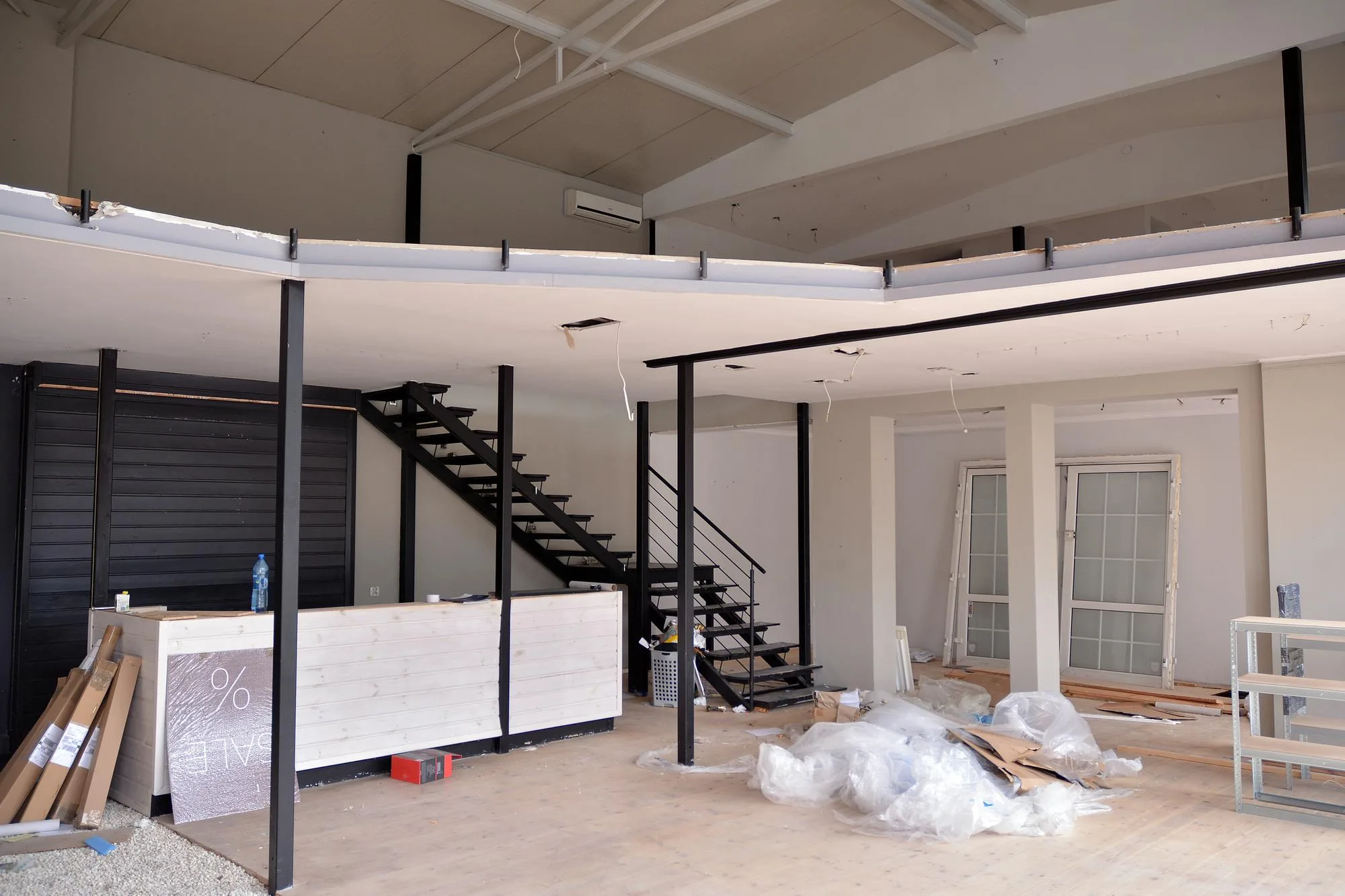
A basement often represents one of the largest unused areas in a home. While many homeowners use it for storage, it has the potential to become a comfortable and functional extension of the living space. Whether you are planning a home office, entertainment room, guest bedroom, fitness area, or rental suite, thoughtful planning is the key to achieving a successful outcome.
Starting a basement project involves much more than choosing paint colours or flooring materials. Every stage requires careful consideration, from understanding building regulations to creating a layout that meets both current and future needs. Homeowners who invest time in planning are more likely to enjoy a smoother construction process and long-lasting results.
If you are considering Basement Development Calgary, understanding the essential steps before construction begins can help you make informed decisions while avoiding unnecessary costs and delays.
Define the Purpose of the Basement
Every successful renovation begins with a clear objective. Before meeting with contractors or selecting finishes, think carefully about how the basement will be used.
Some families need additional living space where everyone can relax together. Others require a dedicated workspace for remote work, while some homeowners want to create a guest suite or entertainment room. The intended purpose influences every design decision, including room layouts, electrical requirements, lighting, plumbing, storage, and heating.
Establishing clear goals early also helps keep the project focused and prevents unnecessary changes during construction.
Understand the Existing Space
No two basements are exactly alike. Before beginning any renovation, it is important to evaluate the current condition of the space.
Look for signs of moisture, foundation cracks, uneven flooring, or outdated electrical and plumbing systems. Even small issues should be addressed before finishing work begins because they can become much more expensive to repair later.
A professional inspection can identify potential concerns that are not immediately visible and help determine whether structural improvements are required before construction starts.
Set a Realistic Budget
Budgeting is one of the most important parts of any renovation project. Homeowners often focus only on visible finishes, but several additional costs should also be considered.
Your budget should include framing, insulation, drywall, flooring, lighting, painting, electrical work, plumbing, permits, labour, and finishing materials. It is also wise to reserve additional funds for unexpected issues that may arise once construction begins.
Having a realistic budget helps reduce stress and allows better decision-making throughout the renovation.
Learn About Local Building Requirements
Most basement projects require compliance with local building codes. Depending on the scope of work, permits may be needed for electrical installations, plumbing modifications, structural changes, or the addition of bedrooms and bathrooms.
Following local regulations ensures the project meets safety standards while protecting the value of the property. It can also prevent complications if you decide to sell your home in the future.
Professional contractors typically understand these requirements and can help guide homeowners through the approval process.
Plan the Layout Carefully
A well-designed layout makes the basement feel like a natural extension of the home rather than a separate area.
Consider how people will move through the space and how each room will function. Storage areas should be practical without occupying valuable living space. Bedrooms should provide privacy, while common areas should encourage comfortable gathering.
Planning also includes considering future flexibility. A room used as a playroom today may eventually become a home office or guest bedroom. Designing with adaptability in mind allows the basement to evolve as family needs change.
Prioritize Moisture Protection
Basements naturally sit below ground level, making moisture management an essential part of every renovation.
Proper waterproofing, drainage systems, vapour barriers, and insulation help maintain a dry, comfortable environment. Ignoring moisture issues before finishing the basement can lead to mould growth, unpleasant odours, and damage to walls and flooring.
Addressing moisture concerns early protects both your investment and your family's comfort.
Invest in Proper Insulation
Insulation affects far more than energy efficiency. It also contributes to indoor comfort, noise reduction, and temperature consistency throughout the year.
Well-insulated basements remain warmer during winter and cooler during summer. They also create quieter living spaces, especially when the basement is used as a media room, home office, or bedroom.
Choosing appropriate insulation materials and ensuring proper installation can significantly improve the overall quality of the finished basement.
Focus on Lighting
One common challenge with basements is limited natural light. Fortunately, thoughtful lighting design can completely transform the atmosphere.
Combining recessed lighting, wall fixtures, task lighting, and decorative fixtures creates a bright and welcoming environment. Light-coloured finishes and reflective surfaces can also help make the space feel larger and more open.
Proper lighting improves both functionality and visual appeal.
Select Durable Materials
Basements experience different environmental conditions than upper floors. Choosing durable materials helps ensure the finished space performs well over time.
Moisture-resistant drywall, quality flooring, and easy-to-maintain finishes often provide better long-term value than products chosen solely for appearance.
Durable materials reduce maintenance requirements while extending the life of the renovation.
Think Beyond Today's Needs
Many homeowners focus only on their immediate requirements. However, the most successful projects consider how the basement may be used in the future.
Growing families, changing careers, ageing parents, or lifestyle changes can all influence how the space is used over the coming years. Flexible layouts make it easier to adapt without requiring major renovations later.
This forward-thinking approach often adds greater long-term value to the investment.
Work With Experienced Professionals
Although some homeowners enjoy completing small renovation tasks themselves, basement development often involves multiple trades working together.
Electrical work, plumbing, framing, insulation, drywall installation, flooring, and finishing all require coordination. Working with experienced professionals helps maintain quality while reducing delays and costly mistakes.
Clear communication, detailed planning, and skilled workmanship contribute significantly to a successful outcome.
The Long-Term Benefits
A professionally finished basement provides more than additional square footage. It improves daily living by creating spaces tailored to your family's needs while increasing the overall functionality of the home.
Many homeowners also appreciate the added property value that comes from well-executed Basement Renovations Calgary. Finished basements often make homes more attractive to future buyers because they offer flexible living areas without requiring an extension.
Whether your goal is additional comfort, improved functionality, or increased resale value, thoughtful planning is the foundation of every successful basement project.
Conclusion
Starting a basement renovation is an exciting opportunity to unlock the full potential of your home. By establishing clear goals, planning carefully, understanding local requirements, and investing in quality workmanship, homeowners can create spaces that remain functional and attractive for many years.
Every home is different, which is why careful preparation is essential before beginning Basement Development Calgary or Basement Renovations Calgary projects. These considerations help ensure that the finished basement meets both present and future needs. This practical approach is one shared by experienced professionals throughout the industry, including Correct Constructors.