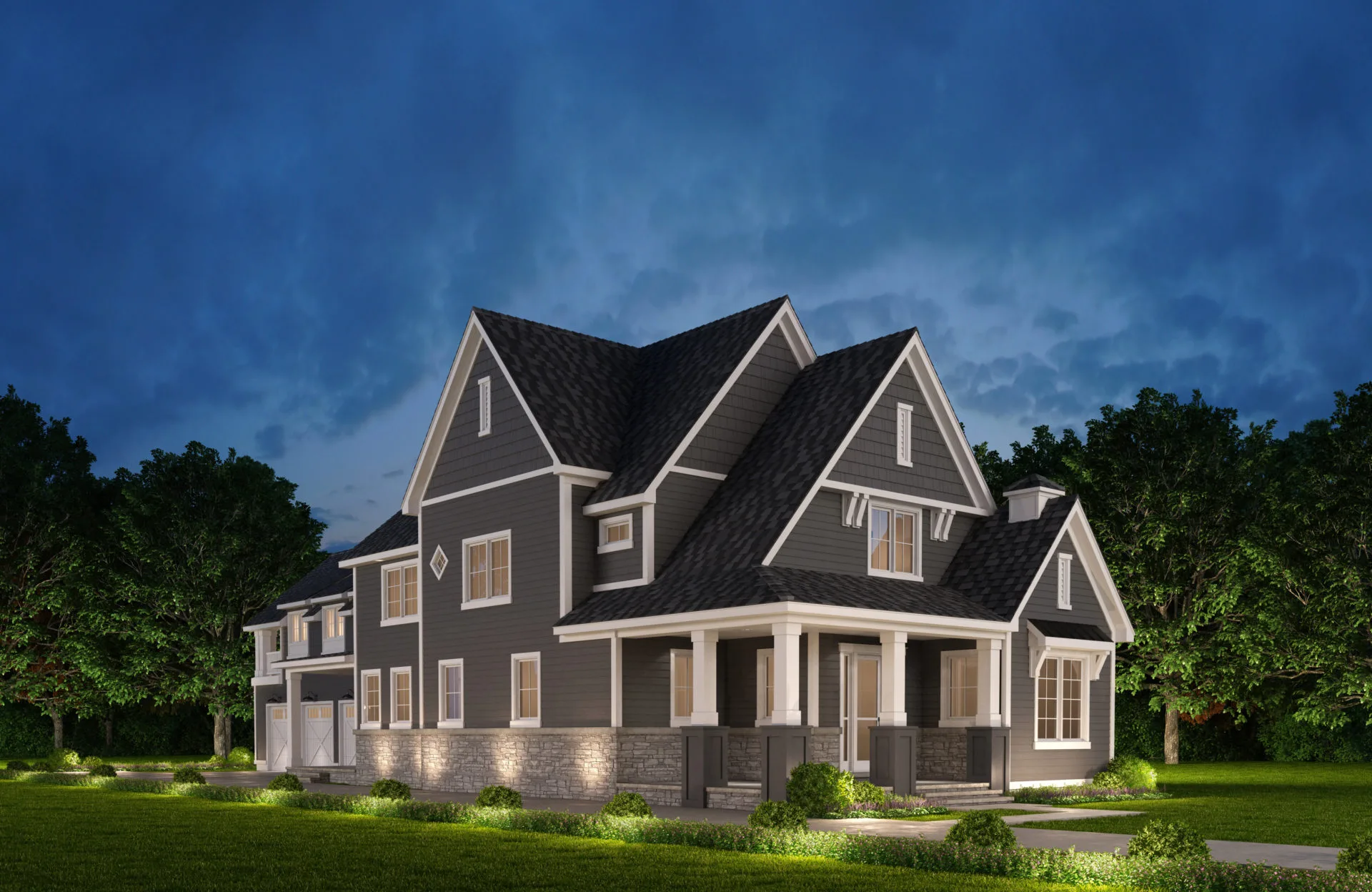
There’s something special about living close to the center of town. You can stroll to a coffee shop in the morning, meet friends for dinner in the evening, and enjoy the park or trail on the weekend without ever starting the car. For many homeowners, that lifestyle is the main reason to build near downtown. The challenge is creating a new home that feels at ease among established neighborhoods and mature trees while still offering everything you want from a modern house.
The Appeal of a Walkable Location
Homes near a vibrant town center offer convenience that’s hard to match. Shops, restaurants, schools, and community events are all within easy reach, and many residents find that daily life feels simpler and more connected. Walkable neighborhoods often have a stronger sense of community too, with neighbors who know one another and streets designed for people, not just cars.
Building here lets you enjoy those benefits in a home designed entirely around your own needs.
Designing for Character and Context
A new house near the town center should complement its surroundings. Take time to observe the neighborhood. Look at rooflines, porch styles, materials, window patterns, and the way homes sit on their lots. You don’t need to copy what’s already there, but thoughtful design choices help your home feel like it belongs.
Classic details such as covered front porches, tall windows, and natural materials pair well with modern layouts inside. Many homeowners choose traditional exteriors with open, light-filled interiors, which offers the best of both worlds.
Making the Most of a Smaller Lot
Lots near a town center are often narrower or more compact than those in newer subdivisions, but that doesn’t limit what’s possible. Smart planning can create a home that lives larger than its footprint. Consider these strategies:
Build up with purpose: A well-designed second floor or finished lower level adds space without widening the footprint.
Open the main living area: Combining kitchen, dining, and living spaces makes rooms feel bigger and brighter.
Use built-in storage: Custom cabinetry, window seats, and mudroom lockers keep clutter under control.
Create outdoor rooms: A porch, patio, or courtyard extends your living space and offers privacy.
Maximize natural light: Well-placed windows and glass doors bring the outdoors in.
Working With Local Guidelines
Building in an established area often involves additional considerations, such as setback requirements, height limits, tree preservation, and design review. These rules protect the character of the neighborhood, but they can also affect your plans. Choosing custom home builders Downtown Rochester mi homeowners trust means working with a team that understands the local approval process, knows what to expect from inspectors, and can anticipate issues before they slow your schedule. Ask any builder you’re considering about their experience with similar sites and how they handle permits and neighbor communication.
Plan for Michigan Weather
Seasonal changes shape how a home should be built here. Freeze-and-thaw cycles, heavy snow, and humid summers all put stress on foundations, roofs, and exterior finishes. Proper drainage, durable roofing, and quality insulation protect your investment and keep energy bills manageable. Mudrooms, covered entries, and well-designed garages also make daily life easier when the weather turns.
Build a Clear Budget
Infill and in-town projects can include unique costs, such as demolition, utility connections, or extra site preparation. A detailed estimate helps you understand where your money is going. Ask for a breakdown that separates construction, allowances, and optional upgrades, and set aside a contingency of five to ten percent for unexpected changes. Deciding early which features matter most helps you invest wisely where it counts.
Communication Makes the Difference
Building near neighbors and busy streets calls for thoughtful coordination. Look for a team that offers a single point of contact, regular progress updates, and a clear plan for managing the job site. Open communication keeps you informed, builds trust, and makes the entire process less stressful. Don’t hesitate to ask questions about schedules, selections, or anything that feels unclear.
Conclusion
A home near the center of town offers a lifestyle that’s convenient, social, and full of character. With thoughtful design, a realistic budget, and a team that respects both your vision and the neighborhood, you can create a residence that feels right from day one. If you’re ready to begin planning, Bloomingdale Homes is here to guide you with craftsmanship, honest communication, and care from the first conversation to the final walkthrough.
Frequently Asked Questions
1. Can a new home be built on a small or narrow lot?
Yes. With smart design, such as efficient layouts, multiple levels, and built-in storage, even compact lots can support a comfortable, stylish home. Your builder will review the site and local requirements before finalizing plans.
2. Will I need approval before construction begins?
Most projects require permits, and some areas also have design or zoning reviews. An experienced builder can guide you through the process and help prepare the necessary documentation.
3. How can I make a new home blend in with older neighbors?
Pay attention to scale, rooflines, materials, and porch details. Choosing complementary colors and traditional architectural elements helps your home fit naturally into the neighborhood while still offering modern comfort inside.
Life Steps From Main Street: Building a Home in the Heart of Rochester

Bloomingdale Homes
·
4 min read
·
85 Buzz