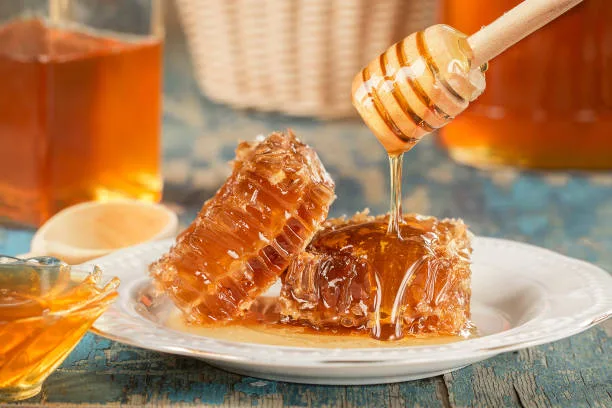
Pop open a cheap bottle of honey sometime and just... taste it. Really pay attention. Flat, right? Sweet in a one-note kind of way, like it's apologizing for existing. That's what happens when honey gets cooked and filtered into oblivion. Now compare that to something pulled straight from a comb somewhere outside Austin or down near the Hill Country — cloudy, a little gritty maybe, tasting like whatever wildflowers were blooming that particular week. Night and day. And once you notice the difference, going back is hard.
Okay, But What's Actually Different Here
People assume honey's just honey. It's not, not even close. Raw honey in Texas carries the fingerprint of wherever those bees were working — bluebonnets one season, mesquite another, clover if the rain cooperated. Pull that nectar and heat it to death (which is standard practice for most commercial brands, done purely so the product looks glossy on a shelf), and you kill off the enzymes and pollen traces that gave it character in the first place. Kind of a shame, honestly.
Here's a small tell worth knowing: raw honey crystallizes. Goes grainy, sometimes almost sugary-looking, after a few months on the counter. That's not the honey going bad — that's the honey being real. A jar that stays glass-smooth and liquid for two straight years on a store shelf? That should make a person a little suspicious, not comfortable.
Terroir. Yes, Honey Has That Too
Wine people love throwing around the word terroir like they invented dirt. Fine. Honey earns the word just as much. Hill Country hives lean into sage and clover, giving a lighter, almost herbal edge. Head east and the honey darkens up, thanks to pine country and hardwood forest — sometimes it edges toward molasses territory. Down south, mesquite takes over, and the flavor goes almost caramel-like. None of that's random. It's rainfall, bloom timing, soil, distance from the hive. Bees don't wander far, maybe two or three miles tops, so what's blooming nearby is basically destiny.
This is part of why the label matters more than people give it credit for. "Pure honey" printed on a bottle from a big national brand could mean a blend sourced from four different countries — and yes, there have been documented cases of that honey getting cut with corn syrup along the way. Not exactly comforting, that.
"Raw" Isn't a Scary Word
Somewhere along the way people started treating raw food like it's automatically risky. It's not. Raw just means unheated past the natural temperature inside the hive, barely filtered, bottled close to how the bees actually left it. A little pollen floating in there, maybe a fleck of wax. That's normal. That's kind of the whole point.
There's also this local-pollen-and-allergies thing people bring up constantly. A spoonful a day during oak or ragweed season, supposedly building up tolerance. Science on it is genuinely mixed — nobody should call it medicine, and it's not going to replace an allergist. Still. So many people swear by it that the anecdotal loyalty alone is kind of interesting. Doesn't come from nowhere, usually.
Buying Local Actually Does Something
Choosing raw honey from a small operation instead of a supermarket shelf isn't just some feel-good purchase to post about. It keeps money with beekeepers managing hives properly — rotating pastures, skipping the antibiotic shortcuts that plague industrial operations. Bee populations have taken a real beating the last decade and a half. Colony collapse, habitat disappearing, pesticide drift nobody asked for. Every jar bought from someone accountable is a tiny vote toward keeping pollinators around, and considering how much of the food supply leans on bees existing, that's not a small thing to shrug off.
Where It All Actually Comes From
A good chunk of this honey traces back to organic farms in Houston Texas, places where hives sit near pasture-raised animals and unsprayed fields — no synthetic pesticide drift sneaking into the nectar, no rushed harvest cutting corners. That setup produces something with real depth to it, worth hunting down instead of grabbing the cheapest bear-shaped bottle at checkout.
Good honey doesn't need a marketing team. It just needs someone curious enough to taste around a little.
FAQs
1. What does raw honey cost in Texas?
Usually $10–$18 for a 16 oz jar, depending on region and what the bees were feeding on.
2. Does raw honey go bad?
Not really — stored properly it lasts indefinitely, though it may crystallize (totally normal, not spoilage).
3. Can kids eat raw honey?
Never give raw honey to infants under 12 months (botulism risk), but it's fine for older kids.
4. Why does raw honey cost more than store-bought?
Processed honey runs $4–$8; raw, small-batch honey averages $12–$20 due to slower, more careful harvesting.