In today’s world of modern design and energy-efficient construction, window systems play a key role in both the look and function of a building. Among the innovative choices available, tilt and turn windows have emerged as a preferred option in contemporary architecture — offering a perfect mix of style, performance, and flexibility.
What Are Tilt and Turn Windows?
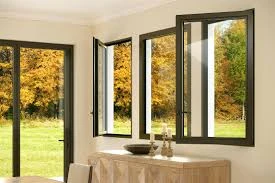
Tilt and turn windows operate on a dual-function mechanism. They can tilt inwards from the top for ventilation or swing open inwardly like a door for full access. This versatile design is widely popular in European homes and is now gaining popularity in North America and around the world.
Key Advantages of Tilt and Turn Windows
1. Enhanced Ventilation
Tilt and turn windows allow for controlled ventilation. The tilt position enables air to flow in from the top while keeping the window secure. This helps maintain fresh indoor air without creating strong drafts or safety concerns.
2. Superior Security
Security is a major concern in residential and commercial buildings. Tilt and turn windows have multi-point locking systems, making them more secure than traditional sliding or casement windows.
3. Easy Cleaning
One of the biggest benefits is the ability to clean both the interior and exterior surfaces from inside the building — ideal for high-rise homes or buildings with limited outside access.
4. Excellent Insulation
Tilt and turn windows are usually made with double or triple glazing, offering high thermal insulation. This helps reduce energy costs by maintaining indoor temperatures during extreme weather conditions.
5. Noise Reduction
These windows are well-sealed and made with thick glass units, which offer excellent soundproofing — a valuable feature for urban homes or buildings near busy roads.
6. Modern Aesthetic
The sleek and minimalistic design of tilt and turn windows complements modern architecture. Their clean lines and functional appearance suit both residential and commercial projects.
Why Architects Prefer Tilt and Turn Windows
Modern architecture emphasizes energy efficiency, sustainability, and user comfort. Tilt and turn windows support these goals with their energy-saving design, high safety standards, and clean aesthetic. Architects also appreciate the wide range of materials and finishes available, giving them freedom in design and customization.