
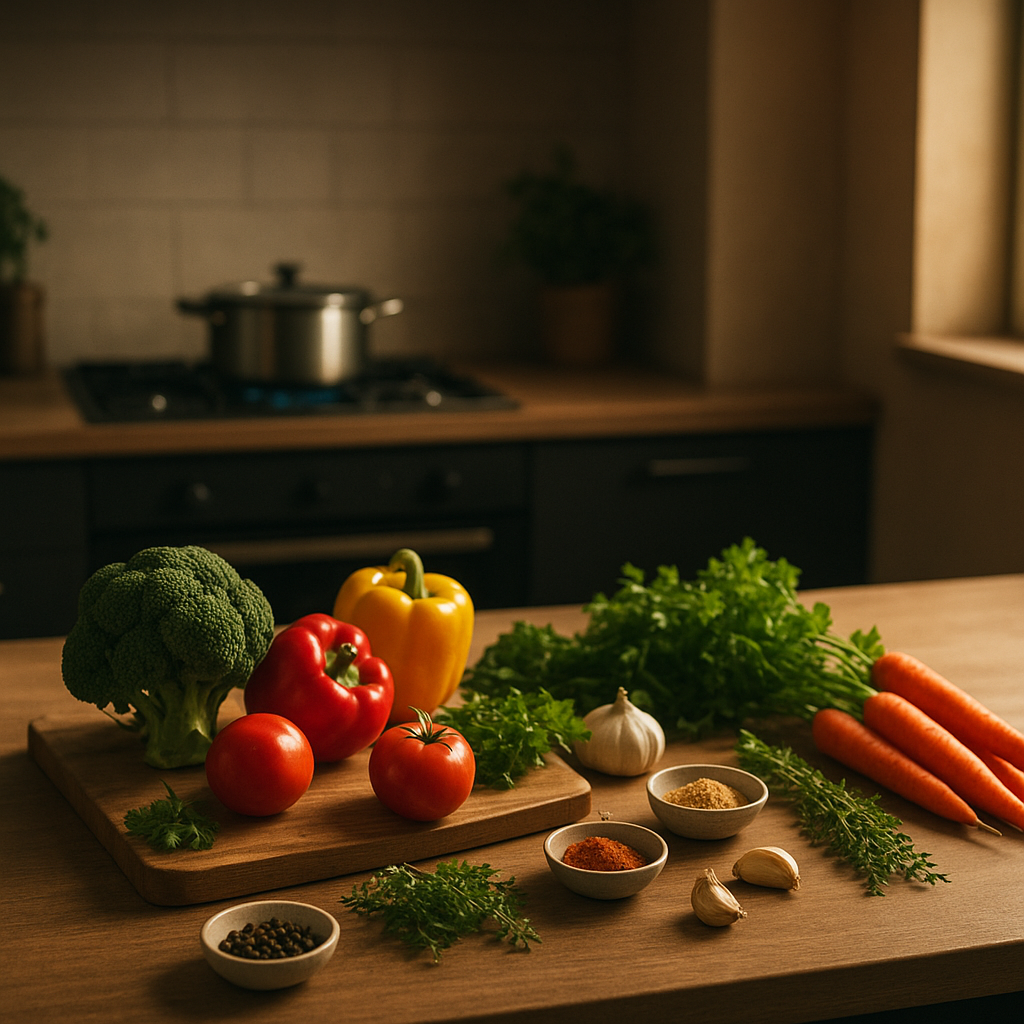
The First Bite: Embracing the World of Food Exploration
Food is more than sustenance; it is a gateway to culture, creativity, and community. For those wondering how to get started with food, the journey often begins with curiosity. Imagine sitting at a bustling market in a cosmopolitan city like New York or Tokyo, the air fragrant with spices and fresh produce. The scene captures the essence of food’s power to connect people and experiences. In 2026, this connection has only deepened as global food culture continues to expand through technology and travel.
Starting with food means opening yourself up to new flavors, textures, and stories. According to recent data from the Culinary Institute of America, 78% of new food enthusiasts cite exposure to diverse cuisines as their primary motivator to explore cooking and eating differently. This exploration isn’t just about taste—it’s about understanding food’s place within history and society.
“Food is the most primitive form of comfort, and starting to cook or explore cuisine provides not only nourishment but a sense of belonging,” says Chef Lina Márquez, a renowned culinary educator.
Whether you’re a complete beginner or someone rekindling an interest in food, the starting point is often sensory. Engage your taste buds, smell the aromas, watch cooking shows, or visit local food festivals. These initial sparks fuel the desire to learn more, setting the stage for a deeper involvement with food.
These early encounters with food culture help frame the pathway forward and establish a foundation for practical skills and knowledge. For a comprehensive understanding, it’s helpful to look back at how modern food culture evolved to appreciate where you fit into the vast culinary landscape.
Tracing the Roots: How We Arrived at Today’s Food Culture
The story of how to get started with food is inseparable from the history of food itself. Food culture in 2026 is shaped by centuries of migration, trade, technology, and shifting social values. The Industrial Revolution brought mass food production, while the late 20th century saw a resurgence in artisanal and local foods as a counterbalance.
The rise of the internet and globalization has accelerated the dissemination of recipes and culinary knowledge, making it easier than ever to learn about food from any corner of the world. Platforms like YouTube, TikTok, and specialized cooking apps have democratised access to expert advice and cultural insights.
Moreover, sustainability and health consciousness have become dominant themes in food culture. Reports from the Food and Agriculture Organization highlight that in 2025, over 60% of consumers worldwide actively sought out foods labeled as organic, plant-based, or locally sourced. This trend influences how newcomers approach food, often with a dual focus on pleasure and responsibility.
“Understanding food history enriches the cooking experience. It helps us appreciate the origins of our ingredients and the labor behind every meal,” notes Dr. Michael Chen, a food anthropologist at Stanford University.
In practice, this means that starting with food today often involves embracing diverse cooking traditions while considering environmental and ethical impacts. This historical and cultural awareness sets the tone for how one approaches food education and experimentation.
Building Your Culinary Foundation: Practical Steps for Beginners
After grasping the cultural and historical context, the next phase is practical learning. For beginners, cooking can seem intimidating, but the key is to start small and build confidence gradually. Experts recommend beginning with fundamental skills such as knife handling, understanding flavor profiles, and mastering a few basic recipes.
According to the National Restaurant Association’s 2026 survey, 42% of new home cooks began their journey by focusing on simple weeknight meals, steadily progressing to more complex dishes. This incremental approach reduces overwhelm and encourages sustainable habits.
Here’s an actionable list for beginners to get started:
- Invest in basic kitchen tools: sharp knives, cutting board, pots, pans, and measuring cups.
- Learn core techniques: sautéing, boiling, roasting, and seasoning.
- Experiment with staple ingredients: rice, lentils, fresh vegetables, and herbs.
- Follow trusted recipes: start with those from reputable sources or cookbooks.
- Join cooking classes or online courses: interactive learning boosts retention.
- Document your progress: keep a cooking journal or photo diary.
In 2026, digital tools are invaluable for beginners. Apps offering step-by-step guidance, virtual cooking assistants, and AI-driven meal planners simplify the process. For those interested in a deeper dive, TheOmniBuzz’s guide on how to get started with indie games offers insights into building skills from scratch, analogous to developing culinary expertise.
Practical cooking experience is complemented by understanding nutrition, budgeting, and sourcing quality ingredients. Local farmers’ markets and community-supported agriculture (CSA) programs provide fresh, seasonal produce and foster connections between consumers and growers.
Food in 2026: Emerging Trends and Innovations Shaping Beginners’ Experience
The food landscape in 2026 is marked by technological innovation and shifting consumer priorities that impact how newcomers engage with food. Smart kitchen appliances, such as AI-powered ovens and precision cooking devices, have become mainstream, enabling novice cooks to achieve professional-level results at home.
Plant-based alternatives have expanded dramatically, with companies like Beyond Meat and Impossible Foods releasing new lines of products that mimic traditional meats’ texture and flavor more convincingly. This diversification encourages experimentation without the ethical or environmental concerns associated with animal agriculture.
Additionally, the rise of food personalization platforms allows consumers to tailor meals to their health needs, allergies, and taste preferences. According to a 2025 report from the International Food Information Council, personalized nutrition apps saw a 45% increase in users globally over two years.
Urban agriculture is another significant development. Rooftop gardens, vertical farms, and home hydroponics kits empower individuals to grow their own fresh produce, integrating food education with sustainability practices.
- Smart cooking devices with guided recipes and real-time feedback
- Proliferation of virtual cooking communities and influencer-led tutorials
- Expansion of meal kits designed for all skill levels
- Wider availability of diverse cultural ingredients through e-commerce
- Increased emphasis on zero-waste cooking and food preservation
These trends mean beginners have unparalleled resources and support. TheOmniBuzz readers interested in digital empowerment might appreciate how these tools overlap with online privacy concerns outlined in Unlocking Online Privacy: How to Get Started with VPNs Today. Both areas highlight the growing interface between technology and daily life.
Voices from the Field: Experts Share Insights on Beginning with Food
Industry professionals emphasize that starting with food is as much about mindset as technique. Culinary educators advocate for curiosity and patience, reminding beginners that mistakes are part of learning.
Chef Lina Márquez stresses the importance of embracing cultural diversity in cooking: “Exploring food from different cultures not only broadens your palate but fosters empathy and understanding. The kitchen becomes a classroom without walls.”
Nutritionists also weigh in on the significance of balanced eating habits from the outset. Registered dietitian Sara Patel recommends integrating whole foods and diverse plant-based options early in the learning process to promote long-term wellness.
“Food literacy is critical. Knowing where your food comes from, how it’s prepared, and its impact on your body sets the foundation for a healthier relationship with eating,” Patel explains.
Furthermore, food sustainability experts highlight that starting with food today means considering environmental impact. Simple actions such as choosing seasonal produce, minimizing waste, and supporting local vendors contribute to a more sustainable food system.
For those interested in a broader cultural perspective, TheOmniBuzz’s article Why Food Culture Is More Than What’s on Your Plate offers valuable context that complements practical food beginnings.
Looking Ahead: What Aspiring Food Enthusiasts Should Watch For
The future of food is dynamic, shaped by innovation, social change, and environmental imperatives. For newcomers, awareness of these trends is critical to making informed choices and staying inspired.
Key future developments include:
- Greater integration of AI and robotics: Smart kitchens will become more autonomous, assisting with meal planning, cooking, and reducing food waste.
- Expansion of personalized nutrition: Advancements in genomics and microbiome research will enable highly customized diet plans.
- Enhanced focus on regenerative agriculture: Supporting farming practices that restore ecosystems will become mainstream.
- Global fusion cuisines: Cross-cultural food blends will continue evolving, reflecting migration and connectivity.
- Increased food transparency: Blockchain technology may offer complete traceability from farm to fork.
Beginners embarking on their food journey should cultivate adaptability and openness to experimentation. Engaging with community groups, online forums, and food events enriches the learning experience and builds lasting connections.
“The best way to grow with food is to remain a lifelong learner,” advises Chef Márquez. “Your palate, skills, and understanding will evolve as you do.”
Ultimately, starting with food is an invitation to explore a world of flavors, stories, and innovation. By combining historical appreciation, practical skills, expert insights, and awareness of future trends, anyone can develop a meaningful and joyful relationship with food.