
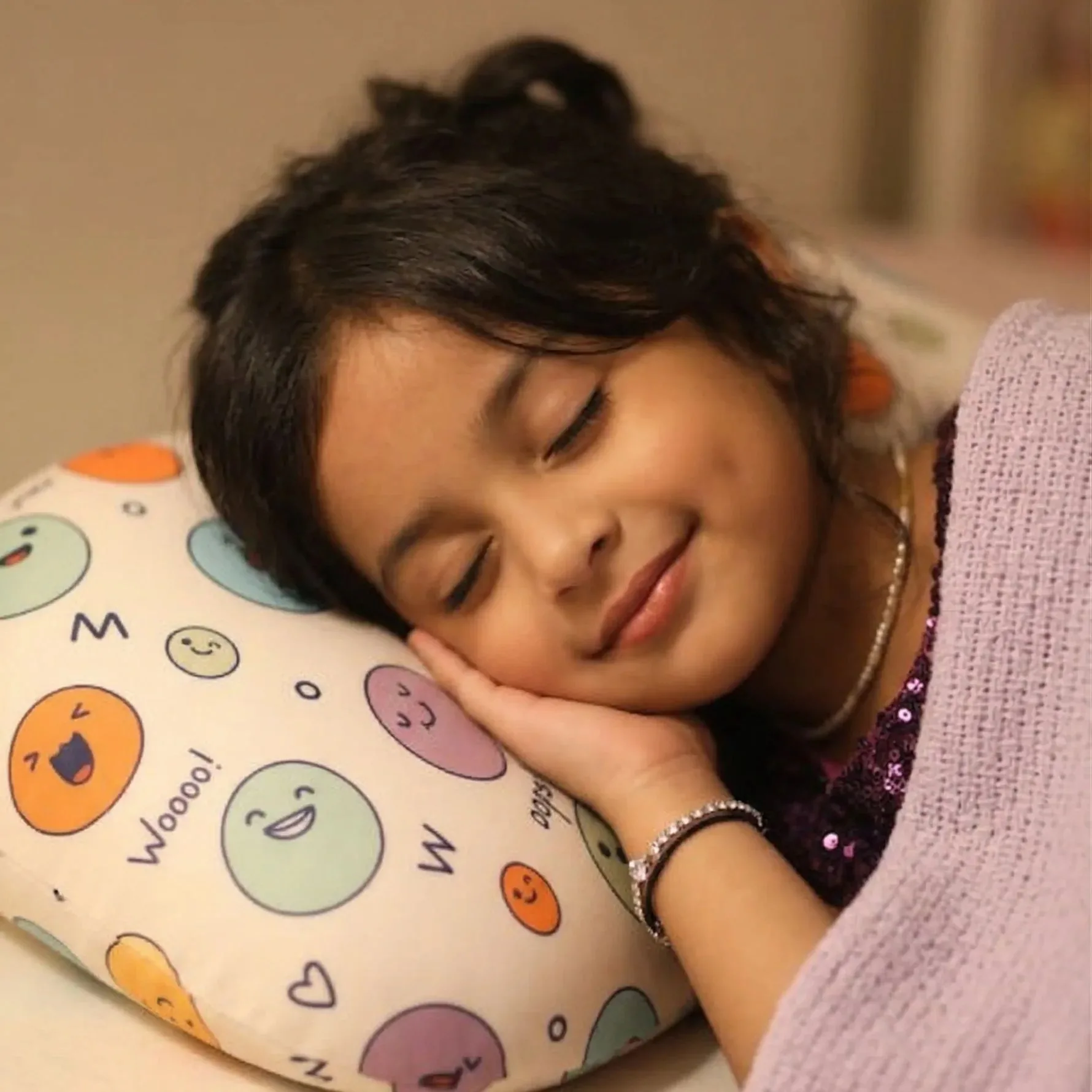
Kids can be surprisingly good at hiding discomfort, especially when it comes to something as ordinary as their pillow. Parents often notice restless nights, irritability, or complaints of aches without realizing the pillow itself might be the root cause. Since a child's neck and spine are still developing, proper support during sleep matters even more than it does for adults.
Here are the key signs your child's pillow may no longer be doing its job and what to look for instead.
1. Your Child Wakes Up with a Stiff or Sore Neck
If your child regularly complains of neck pain or stiffness in the morning, their pillow is one of the first things worth checking. A pillow that's too flat, too high, or unevenly filled forces the neck into an awkward angle for hours at a time, straining muscles that are still growing.
Why This Happens in Kids Specifically
Children's necks are more sensitive to prolonged strain than adults realize, since their muscles and spinal structures are still developing. A poorly supportive pillow can quietly contribute to recurring discomfort without an obvious cause.
2. Restless Sleep and Frequent Position Changes
Some tossing and turning is normal, but if your child seems unable to settle into a comfortable position, unsupportive bedding could be the reason. A pillow that doesn't hold its shape forces kids to constantly readjust throughout the night, disrupting deeper sleep stages.
The Sleep-Quality Connection
Frequent repositioning often means the brain never fully settles into restorative sleep. Over time, this can show up as daytime fatigue, mood swings, or difficulty concentrating at school.
3. The Pillow Looks Flat, Lumpy, or Uneven
A simple visual and physical check can reveal a lot. If your child's pillow appears flattened, has lumpy clusters, or doesn't spring back after being pressed down, it has likely lost its structural integrity. Traditional fiber-fill pillows are especially prone to this kind of breakdown.
A Quick Test
Fold the pillow in half and release it. If it doesn't return to shape within a few seconds, it's no longer providing consistent support, and it's time for a replacement.
4. Your Child Seems More Irritable or Tired During the Day
Poor sleep quality doesn't always show up as obvious tiredness. In kids, it often looks like crankiness, difficulty focusing, or emotional meltdowns that seem disproportionate to the situation. If your child's mood noticeably improves after a good night's sleep elsewhere (like at a grandparent's house or during travel), their regular pillow may be part of the problem.
Why Kids React Differently Than Adults
Children are generally less able to identify or explain physical discomfort. Instead, poor sleep tends to surface as behavioral or emotional symptoms rather than a clear complaint about pain.
5. Frequent Headaches or Complaints of Discomfort
Recurring headaches, particularly ones that appear first thing in the morning, can be linked to poor neck alignment during sleep. If your child mentions head or neck discomfort that eases as the day goes on, it's worth examining their sleep setup rather than assuming it's unrelated.
What to Look for Instead: Memory Foam Support for Kids
If these signs sound familiar, switching to a properly designed kids' memory foam pillow can address several of these issues at once.
Why Memory Foam Works Better for Children
Memory foam contours gently to a child's head and neck, distributing weight evenly and reducing pressure points. This helps maintain healthier spinal alignment throughout the night, something standard fiber-fill pillows struggle to do consistently. Memory foam also retains its shape far longer, meaning parents aren't replacing pillows every few months.
Choosing the Right Pillow for Your Child
When selecting a new pillow, consider:
- Size and loft appropriate for your child's age and body size
- Firmness level suited to their preferred sleep position
- Breathability, since kids tend to run warmer during sleep
- Washable or protective covers for easier maintenance
Supporting a Calmer Bedtime Routine
Pillow support is one part of a bigger picture. Many parents find that pairing better sleep support with a calming bedtime environment, like a soft, soothing LED night lamp, helps children wind down more easily and fall asleep faster. Reducing overstimulation before bed, alongside proper physical support, often leads to noticeably better sleep overall.
Final Thoughts
A child's pillow plays a bigger role in their sleep quality than most parents realize. Persistent neck stiffness, restless nights, mood changes, or recurring headaches are all signs worth paying attention to. Upgrading to a supportive memory foam pillow, alongside small changes like calming bedtime lighting, can make a meaningful difference in how well your child sleeps and how they feel during the day.