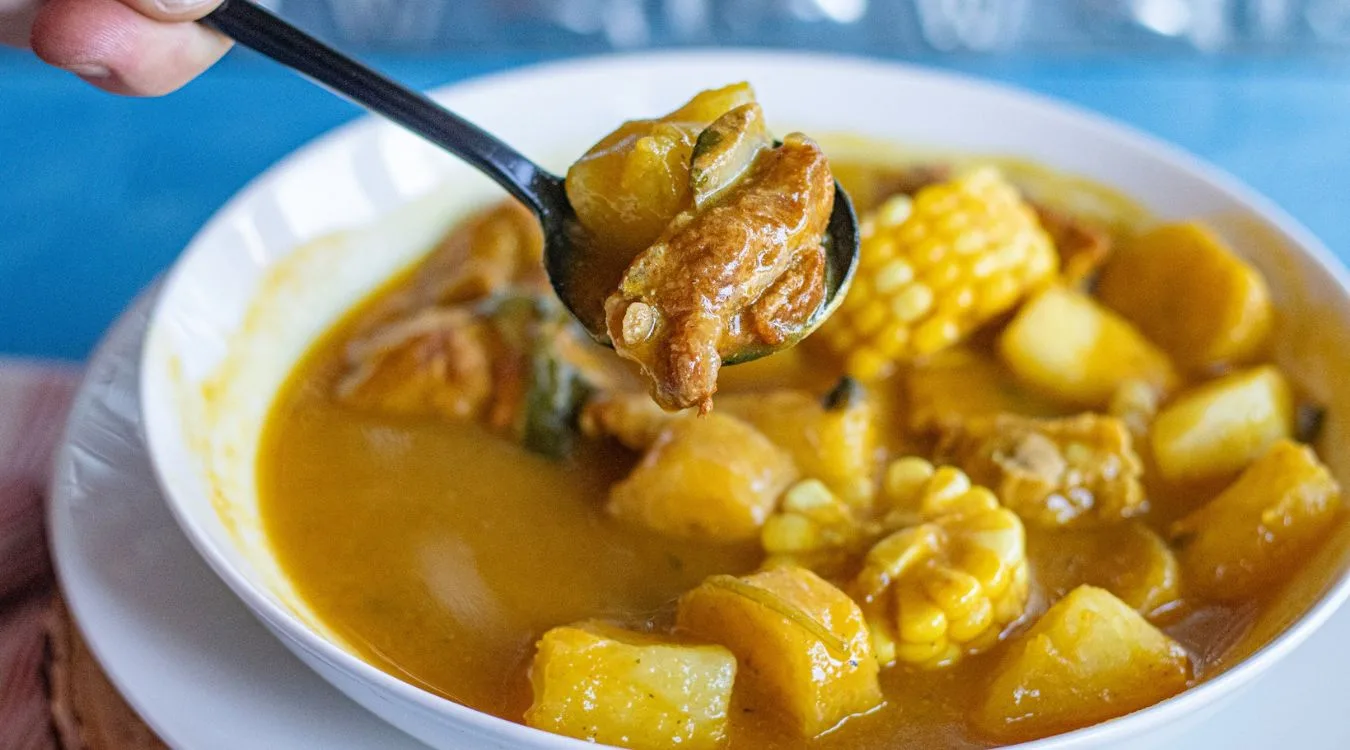
When people think about traditional Caribbean comfort food, few dishes are as iconic as sancocho. This hearty stew has been enjoyed for generations and is often served during family gatherings, holidays, and special celebrations. Understanding the sancocho definition means looking beyond the ingredients to appreciate the rich traditions, cultural influences, and history that have shaped this beloved meal.
Today, sancocho is recognized across several Latin American countries, but each region has developed its own version. In the Dominican Republic, it has become a symbol of hospitality, unity, and home-cooked comfort. Whether enjoyed at a festive gathering or a casual Sunday lunch, this flavorful dish continues to bring people together.
What Is Sancocho?
The sancocho definition refers to a thick, slow-cooked stew made with a variety of meats, root vegetables, herbs, and seasonings. Unlike ordinary soups, sancocho is known for its rich consistency and deep, satisfying flavors that develop during hours of gentle cooking.
Common ingredients include:
- Beef
- Chicken
- Pork
- Plantains
- Yuca (cassava)
- Potatoes
- Sweet potatoes
- Corn
- Pumpkin
- Cilantro
- Garlic
- Onions
The exact recipe varies depending on the country, region, and family traditions, making every pot unique.
The Origins of Sancocho
The history of sancocho stretches back hundreds of years. Historians believe the dish evolved through the blending of Indigenous, Spanish, and African culinary traditions during the colonial period.
The Indigenous peoples of the Caribbean and South America contributed local vegetables and root crops such as cassava and sweet potatoes. Spanish settlers introduced domesticated livestock, including beef and pork, while African influences added cooking techniques and seasoning styles that enriched the stew.
Over time, these cultures combined their ingredients and methods to create one of the Caribbean's most treasured dishes.
How Sancocho Became a Dominican Favorite
While many countries prepare sancocho, the Dominican Republic has elevated it into a national treasure. Families often prepare large pots during birthdays, Christmas celebrations, New Year's gatherings, and community events.
A traditional Dominican version may include as many as seven different meats, creating an incredibly rich and flavorful meal. This famous variation is often called "Sancocho de Siete Carnes," or seven-meat stew.
Preparing the dish is considered a social activity. Family members gather to peel vegetables, season the meat, and stir the pot while sharing stories and laughter.
This strong sense of community is one reason why the stew remains an important part of Dominican culture.
Regional Variations Across Latin America
Although the sancocho definition remains similar across countries, each region has its own signature style.
Dominican Republic
Dominican sancocho typically features multiple meats, root vegetables, squash, corn, and aromatic herbs. It is often served with white rice and avocado.
Colombia
Colombian versions frequently include chicken, beef, or fish along with potatoes, yucca, plantains, and corn. Different regions of Colombia have their own unique recipes.
Puerto Rico
Puerto Rican sancocho usually contains beef, pork, root vegetables, pumpkin, and sofrito seasoning, resulting in a rich and savory broth.
Panama
Panamanian sancocho is generally lighter than other versions and often uses chicken as the primary protein. Fresh cilantro gives the broth its distinctive flavor.
Each variation reflects local agriculture, climate, and culinary traditions.
Why Sancocho Is More Than Just Food
The sancocho definition goes beyond describing a recipe. For many families, it represents togetherness, celebration, and cultural identity.
Large pots are commonly prepared during:
- Weddings
- Family reunions
- Holiday celebrations
- Community festivals
- Weekend gatherings
The slow cooking process encourages conversation and connection as family members work together throughout the day.
For many Dominicans living abroad, preparing sancocho provides a comforting reminder of home and family traditions.
The Ingredients That Tell a Story
Every ingredient in sancocho has historical significance.
Root vegetables such as yuca and sweet potatoes were staple foods long before European colonization. Spanish settlers introduced cattle, pigs, and cooking methods that expanded the dish's flavor profile. African culinary traditions contributed seasoning techniques and communal cooking practices.
These diverse influences transformed a simple stew into a meal that reflects centuries of shared history.
The combination of ingredients also makes sancocho incredibly nutritious, offering protein, fiber, vitamins, and minerals in one hearty serving.
How Sancocho Is Traditionally Served
Serving sancocho is almost as important as preparing it.
Many Dominican households present the stew alongside:
- White rice
- Fresh avocado slices
- Lime wedges
- Hot sauce
- Fresh cilantro
The rice helps absorb the flavorful broth, while avocado adds a creamy contrast that complements the rich meats and vegetables.
Because the stew is so filling, it often serves as the centerpiece of the meal.
Sancocho in Modern Cuisine
Today, chefs around the world continue to celebrate this classic recipe while introducing creative twists.
Some modern versions include:
- Seafood sancocho
- Vegetarian alternatives
- Slow cooker recipes
- Pressure cooker adaptations
- Gourmet restaurant presentations
Despite these innovations, traditional recipes remain the favorite for many families because they preserve authentic flavors passed down through generations.
Restaurants specializing in Caribbean cuisine proudly feature sancocho on their menus to introduce new diners to this comforting classic.
Finding Authentic Dominican Flavors
As Dominican cuisine continues gaining popularity across the United States, many food lovers are discovering traditional recipes in local restaurants. Those searching for authentic Dominican food in dc often seek establishments that prepare sancocho using traditional methods and fresh ingredients.
Many chefs take pride in honoring family recipes while sharing Dominican culinary traditions with new audiences. Whether dining with friends or introducing someone to Caribbean cuisine, sancocho often becomes the highlight of the meal.
The growing appreciation for Dominican food in DC has helped preserve authentic cooking techniques while making these cherished dishes more accessible to everyone.
Why Sancocho Continues to Capture Hearts
One reason people continue to love this classic stew is its remarkable versatility. Every family recipe reflects personal traditions, local ingredients, and generations of cooking experience.
The sancocho definition is rooted in more than culinary technique—it represents comfort, resilience, and the blending of cultures that shaped Caribbean history.
Whether prepared with one meat or several, the slow simmering process creates layers of flavor that cannot be rushed. Each bowl tells a story of heritage, family, and celebration.
As interest in Caribbean cuisine continues to grow, more diners are exploring Dominican food in DC to experience authentic recipes that honor these long-standing traditions. Sancocho remains one of the finest examples of how food can connect generations, preserve culture, and create lasting memories around the dinner table.
Conclusion
Understanding the sancocho definition means appreciating much more than a traditional stew. It is a dish shaped by Indigenous roots, Spanish influence, African heritage, and centuries of family traditions. Its rich flavors, nourishing ingredients, and cultural importance have made it one of the Caribbean's most beloved meals.
Whether enjoyed during holidays, family gatherings, or at restaurants serving authentic Dominican food in dc, sancocho continues to unite people through the universal language of good food. With every bowl served, the story of this timeless dish lives on, reminding us that the best recipes are often the ones shared with those we love.