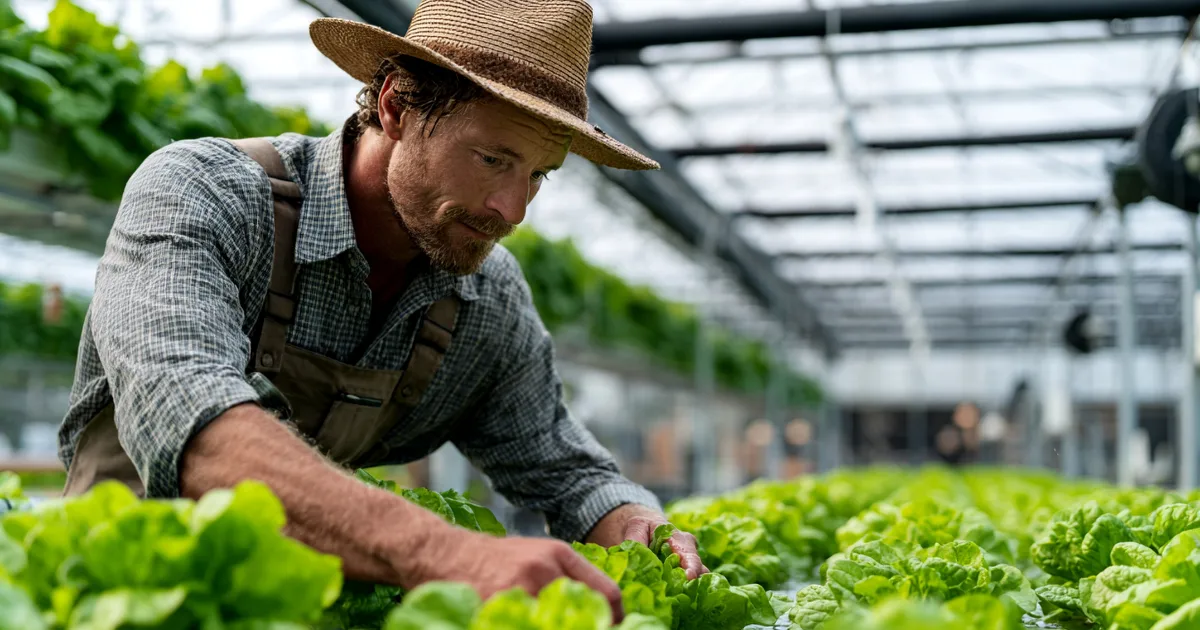
Agricultural Microbials Are Supporting the Shift Toward Sustainable Agriculture
The global agriculture sector is increasingly moving toward sustainable farming practices as farmers seek to improve crop productivity while protecting soil health and reducing the environmental impact of conventional agricultural inputs. Agricultural microbials have emerged as an important biological solution in this transition. These microorganisms can support plant growth, improve nutrient availability, enhance soil fertility, and provide biological protection against certain crop diseases and pests.
The global agricultural microbials market was valued at USD 10.10 Billion in 2025 and is projected to grow at a compound annual growth rate (CAGR) of 15.30% during the forecast period of 2025-2035, reaching approximately USD 41.94 Billion by 2035. Growing interest in sustainable agriculture, increasing demand for biological crop protection, soil degradation concerns, and advancements in microbial technology are expected to support strong market expansion.
Growing Focus on Sustainable Farming
Sustainable farming has become increasingly important as agriculture faces challenges related to soil degradation, water scarcity, climate change, and the environmental impact of excessive chemical inputs. Farmers are looking for approaches that maintain productivity while improving the long-term health of agricultural ecosystems.
Agricultural microbials provide a biological approach to crop and soil management. Beneficial bacteria, fungi, and other microorganisms can contribute to nutrient cycling, root development, soil fertility, and plant health. Their compatibility with sustainable farming practices is increasing their adoption across different agricultural systems.
Increasing Demand for Biological Agricultural Inputs
The growing awareness of the potential environmental impact associated with excessive use of synthetic fertilizers and pesticides is encouraging the adoption of biological alternatives. Agricultural microbials can complement or replace certain conventional inputs depending on the crop, application, and farming conditions.
Biofertilizers, biopesticides, and microbial soil amendments are gaining attention as farmers seek more environmentally responsible production methods. This increasing demand for biological inputs is creating significant opportunities for manufacturers developing microbial-based agricultural solutions.
Soil Health Is Becoming a Major Agricultural Priority
Healthy soil is essential for maintaining crop productivity, nutrient availability, and long-term agricultural sustainability. Continuous intensive farming can contribute to declining soil quality, making soil restoration and management increasingly important.
Agricultural microbials can support soil health by contributing to nutrient cycling and improving the biological activity of soil. Certain microorganisms can help make nutrients more accessible to plants, while others can interact with plant roots and support healthy development. This growing focus on soil health is strengthening demand for microbial solutions.
Rising Demand for Biofertilizers
Biofertilizers represent an important application of agricultural microbials. These products contain beneficial microorganisms that can improve nutrient availability and support plant growth. Certain microbial strains can help with nitrogen fixation or phosphorus solubilization, reducing the need for some synthetic fertilizers.
As farmers increasingly focus on improving nutrient-use efficiency, biofertilizers are becoming an attractive component of sustainable crop production. Their growing adoption is expected to contribute significantly to the expansion of the agricultural microbials market.
Biological Crop Protection Is Gaining Attention
Agricultural microbials are also increasingly being used for biological crop protection. Certain microorganisms can help manage harmful insects, plant pathogens, and diseases while supporting more balanced agricultural ecosystems.
The growing demand for integrated pest management is encouraging farmers to incorporate biological solutions alongside other crop protection methods. Microbial-based biopesticides can provide targeted solutions while helping farmers reduce reliance on certain conventional chemical products.
Advancements in Microbial Biotechnology
Technological advancements are improving the development and effectiveness of agricultural microbial products. Researchers are identifying microbial strains with specific characteristics and studying their interactions with plants, soil, and environmental conditions.
Advances in biotechnology, genomics, fermentation processes, and microbial formulation are helping manufacturers develop more stable and effective products. These improvements can increase the commercial viability of agricultural microbials and expand their applications across different crops and farming environments.
Regenerative Agriculture Is Creating New Opportunities
The growing adoption of regenerative agriculture is another important factor supporting demand for agricultural microbials. Regenerative farming focuses on restoring soil health, improving biodiversity, reducing soil disturbance, and strengthening natural agricultural ecosystems.
Microbial products fit naturally within these practices because they can support biological activity in the soil and contribute to healthier plant-soil relationships. As regenerative agriculture gains wider recognition, microbial solutions are expected to become increasingly important tools for farmers seeking sustainable production methods.
Climate Change Is Increasing the Need for Crop Resilience
Agriculture is increasingly affected by drought, extreme temperatures, changing rainfall patterns, and other climate-related stresses. Farmers are therefore looking for solutions that can help crops remain productive under challenging environmental conditions.
Some beneficial microorganisms can support plant development and nutrient absorption while helping plants manage environmental stress. This potential is increasing interest in microbial technologies as part of broader strategies for building climate-resilient agricultural systems.
Government Support Is Encouraging Sustainable Agriculture
Governments and agricultural organizations across different regions are supporting sustainable farming through research programs, farmer education, environmental initiatives, and incentives for biological inputs. These efforts are helping increase awareness of agricultural microbials and their potential applications.
Regulatory developments encouraging reduced environmental impact from agricultural chemicals are also creating opportunities for biological alternatives. Continued public and private investment in sustainable agriculture is expected to support market development over the coming years.
Organic Farming Is Supporting Microbial Demand
The expansion of organic farming is creating additional opportunities for agricultural microbials. Organic producers have greater restrictions on the use of synthetic agricultural inputs and therefore often rely on biological products for crop nutrition and protection.
As consumer demand for organic food increases, farmers are seeking effective biological solutions that align with organic production practices. Agricultural microbials can play an important role in supporting productivity while meeting sustainability and production requirements.
Precision Agriculture Can Improve Microbial Application
The integration of agricultural microbials with precision farming technologies is creating opportunities to improve application efficiency. Soil sensors, satellite imagery, data analytics, and digital farm management platforms can help farmers identify variations in soil conditions and crop requirements.
Using data-driven approaches can allow farmers to apply microbial products more precisely and optimize their use across fields. This can potentially improve cost efficiency while supporting better crop and soil management.