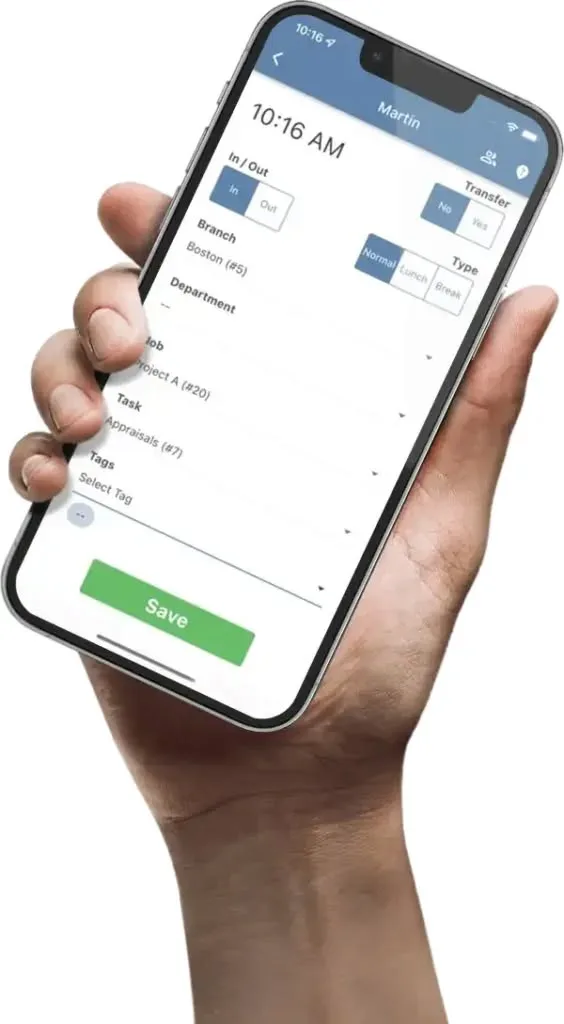
Universities around the world are rapidly adopting digital transformation tools to improve efficiency, accountability, and workforce management. One of the most impactful innovations in this space is geofenced mobile time tracking for university staff, which allows institutions to monitor attendance based on real-time location data. This technology is reshaping how campuses handle faculty, administrative personnel, and support staff scheduling in an increasingly hybrid and flexible work environment.
Understanding Location-Based Attendance in Modern Campuses
Traditional attendance systems—such as paper logs, swipe cards, or manual sign-ins—are often prone to errors, manipulation, and inefficiencies. As universities grow larger and more complex, these outdated systems struggle to maintain accuracy and transparency.
This is where digital location-based solutions come into play. By using GPS and geofencing technology, institutions can automatically verify when staff enter or leave designated campus zones. In simple terms, attendance is recorded only when an employee’s mobile device is within a predefined virtual boundary.
The adoption of geofenced mobile time tracking for university staff ensures that attendance is both accurate and effortless. Faculty members no longer need to manually clock in, and administrators gain access to real-time dashboards that reflect actual presence on campus.
Key Benefits for University Administration and Staff
One of the biggest advantages of geofencing-based attendance systems is the significant reduction in administrative workload. Human resource departments no longer need to reconcile timesheets or investigate discrepancies manually.
Another important benefit is improved accountability. Since attendance is tied to physical presence within a campus boundary, it becomes much harder to falsify records. This encourages punctuality and fosters a more disciplined work culture.
Additionally, geofenced mobile time tracking for university staff improves flexibility for modern academic environments. Many universities now operate hybrid teaching models where staff may split time between on-campus and remote work. Geofencing allows institutions to define multiple approved locations, ensuring fair and accurate tracking regardless of where employees perform their duties.
Other advantages include:
- Real-time attendance reporting
- Reduced payroll errors
- Seamless integration with HR systems
- Enhanced compliance with institutional policies
Together, these improvements help universities operate more efficiently while maintaining transparency.
How Implementation Works in Higher Education Settings
Deploying a geofenced attendance system requires careful planning and configuration. Universities typically begin by defining virtual boundaries around campuses, departments, libraries, or satellite centers. These boundaries act as triggers for attendance logging.
Mobile applications installed on staff devices then communicate with the system using GPS signals. When a staff member enters or exits a geofenced area, their attendance is automatically recorded.
The second mention of geofenced mobile time tracking for university staff highlights its role in integrating workforce analytics. Beyond simple attendance tracking, these systems can generate insights such as peak working hours, departmental attendance trends, and workload distribution.
Integration with existing university software—such as payroll systems, learning management platforms, and HR databases—ensures that data flows smoothly across departments without duplication or manual entry.
Challenges and Considerations for Adoption
Despite its benefits, implementing geofencing technology in universities is not without challenges. Privacy concerns are among the most significant issues, as staff may feel uncomfortable with location tracking. To address this, institutions must ensure transparency, obtain consent, and clearly define how data will be used.
Another challenge is technical reliability. GPS signals may sometimes be inaccurate indoors or in densely built environments. Universities must invest in robust systems that combine GPS with Wi-Fi or Bluetooth verification to improve accuracy.
Cost is also a factor, especially for large institutions with thousands of employees. However, the long-term savings in administrative efficiency and payroll accuracy often outweigh the initial investment.
The Future of Smart Attendance Systems in Academia
As universities continue to embrace digital transformation, geofencing is expected to become a standard feature of workforce management systems. Future developments may include AI-driven analytics, predictive scheduling, and biometric integration for even greater accuracy.
In the coming years, systems like geofenced mobile time tracking for university staff will likely evolve beyond simple attendance tracking into comprehensive workforce intelligence platforms. These platforms will not only record presence but also help institutions optimize staffing, improve productivity, and enhance overall campus operations.
Ultimately, the shift toward intelligent, location-aware systems represents a major step forward in modernizing higher education administration—making campuses smarter, more efficient, and better equipped for the future.