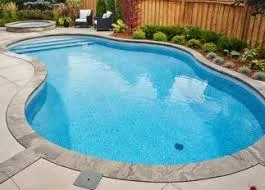
The residential real estate sector is undergoing a profound transformation driven by shifting consumer demands and rapid technological evolution. In today’s competitive market, master-planned communities, luxury estates, and multi-family developments are judged not just by their indoor square footage but by the sophistication of their outdoor experiences. At the centre of this paradigm shift is the integration of advanced aquatic systems. Developers are discovering that generic water basins no longer satisfy discerning buyers who view properties through the lens of wellness and long-term asset performance. By examining how a visionary pool contractor introduces breakthrough innovations, we can understand how specialized building practices are fundamentally redefining value creation across the entire residential development ecosystem.
The Financial Shift from Amenity to Equity Driver
Historically, residential developers treated swimming pools as cost centres, necessary additions to a marketing brochure, but inherently prone to depreciation and operational liabilities. Modern building strategies have completely inverted this dynamic. Forward-thinking real estate groups now partner with an expert pool contractor during the initial master planning phases rather than treating the aquatic layout as a post-construction afterthought.
Integrating sophisticated engineering and high-end aesthetics early in the process creates a powerful anchor for property valuation. Data from premium residential sectors indicates that properties featuring cohesive, architecturally aligned aquatic environments capture higher premiums and experience accelerated absorption rates. When water features are executed with long-term capital efficiency in mind, they cease to be more operational line items and instead become primary appreciation drivers that elevate the market status of the entire community.
Structural and Geotechnical Engineering Innovations
Expanding residential developments frequently requires utilizing challenging geographic terrains, from steep coastal hillsides to shifting, low-density soils. Constructing durable water features under these conditions demands exceptional technical mastery. The methodology of an elite pool contractor centres on deploying advanced structural mechanics that safeguard both the aquatic asset and the surrounding residential infrastructure.
Modern builders utilize specialized techniques such as deep helical pier installations, shotcrete structural optimization, and segmented retaining systems to counteract volatile soil movements. This technical discipline is especially critical for infinity-edge profiles or perimeter overflows built on elevated terrain, where a fraction of an inch of shifting would completely disrupt hydraulic equilibrium. By enforcing strict structural engineering tolerances, top-tier builders eliminate the risk of structural failure, providing developers and future homeowners with immense peace of mind and protecting the underlying real estate asset for decades.
Material Longevity and Sustainable Craftsmanship
The visual character of an upscale neighbourhood is directly tied to the enduring quality of its surfaces. To maximize the asset value of a development, construction practices must move away from standard, high-maintenance finishes that degrade within a handful of years. A premier pool contractor curates an advanced palette of premium, wear-resistant materials specifically designed to maintain their pristine appearance over decades of exposure to the elements.
When an experienced pool builder or specialized water feature artisan implements these high-performance materials, the entire landscape benefits from heightened structural integrity. Glass mosaic tiles, which offer zero water absorption and UV-proof reflection, along with micro-pebble aggregates that possess exceptional stain resistance, replace traditional, short-lived alternatives. Every transition point where natural stone meets a glass tile border or a concrete deck is sealed with specialized, flexible membranes and high-tensile epoxies. This level of craftsmanship ensures the final installation resists water intrusion and chemical wear, resulting in a timeless finish that drastically reduces long-term maintenance costs for property owners.
Automated Intelligence and Resource Efficiency
Sustainability is a defining pillar of modern real estate asset management. Today’s buyers expect luxurious amenities to operate with minimal environmental footprints and low utility overhead. To achieve this balance, contemporary building practices rely heavily on the integration of smart home automation and highly efficient, eco-friendly technologies.
Modern systems allow residential developers and estate owners to monitor and adjust complex water chemistry, heating schedules, filtration cycles, and LED lighting layouts directly from centralised property management dashboards. High-efficiency variable-speed pumps run at optimised schedules to cut energy draw by up to 25%, while advanced secondary sanitation methods like ozonation and UV sterilization minimize chemical dependence. These resource-saving innovations ensure that the functional performance of the pool matches its visual grandeur, aligning the development with modern eco-conscious standards.
Conclusion
The evolution of the modern residential development ecosystem requires a perfect fusion of aesthetic ambition, technical execution, and financial pragmatism. As outdoor spaces become central to property valuation, traditional building methods must give way to specialized, forward-thinking practices. By delivering precise hydraulic modelling, uncompromising geotechnical engineering, resilient material selection, and intelligent automation systems, a professional pool contractor translates complex design concepts into high-performing, sustainable lifestyle assets. Ultimately, these innovative methodologies ensure that the aquatic features do not simply occupy space but actively enrich the community, protect capital investments, and establish a new benchmark for luxury residential value creation.