What Makes This Variety Stand Out
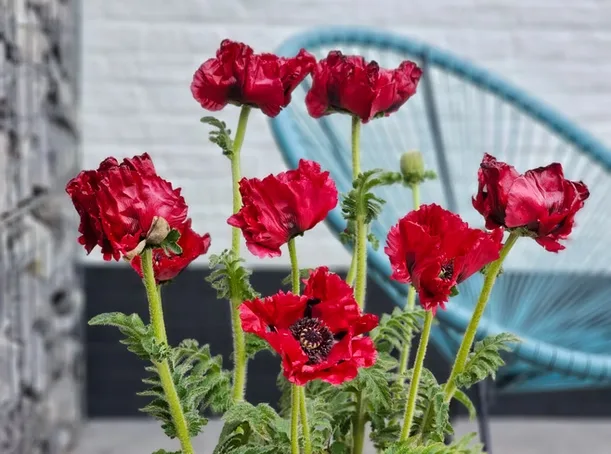
The key characteristic is a combination of scale and texture, as the large, translucent petals are a deep, saturated red that reflect light in a way that smaller or stiffer blooms cannot. The individual flower first opens from a fuzzy, tightly wrapped bud into a wide bloom. Moreover, each bloom is layered and can measure several inches across. Also, the flower petals are crinkly and nearly like crepe paper. Additionally, one only sees this texture up close.Papaver Red Rumble produces these flowers in more abundance once established, rather than just the odd one here or there, to give beds and borders a more overwhelming show and a more continuous effect over peak flowering weeks.Growing Conditions It Prefers
Poppies from this family require good care at the beginning, rather than an adjustment after planting, and this particular species dislikes being moved once rooted. So, make sure to follow the basic principles of poppy care.- The plant should receive six hours of full sun exposure every day
- Soil that drains well is necessary, as standing water can rot the roots
- Use very little fertiliser, as overly rich soil can lessen the number of blooms
- Cool spring temperatures promote the strongest, most reliable flowering period
- Sufficient spacing for air circulation around the foliage
How It Performs Through the Growing Season
The timing and structure of this variety fit within a broader planting plan.
Bloom Time and Flower Longevity
Your flowering is expected to start mid-to-late spring. Each flower of opium poppy blooms for several days, and then the petals fall, which is quite normal. The dropping of petals does not indicate poor care of opium poppy.
In general, Papaver Red Rumble sends one flower up per stem. However, a good clump might send up a succession of new stems to help prolong the overall display of flowers beyond a single bloom cycle.
Removing the spent flowers will encourage slightly longer blooms, but the natural behaviour of this type of poppy is to bloom in a short but dramatic way.
Foliage and Plant Structure
The blue-green foliage is deeply lobed. It forms a low mound with flower stems rising above it. Thus, this plant has appeal long before the blooming. The leaves of the rose are slightly textured and have a fern-like quality that contrasts with the smooth petals once flowering begins.
The flowers have sturdy stems that can hold the large flowers upright. However, these can droop in rainy or windy weather. More often than not, the flowers succumb to droop once they reach their fullest, heaviest stage.
Where It Fits in a Garden Design
A mix of varieties would work to fill the background, but this one works better as a focal plant, as its flowers would steal the show in a mixed planting. When you pair Papaver Red Rumble with lower-growing companions like ornamental grasses or silver foliage plants, the bright red blooms stand out ever more clearly against a quieter backdrop without fighting for attention.
- Cottage-style borders that embrace vibrant hues
- Cutting gardens grown specifically for fresh bouquets
- Arrange spring bloomers with late-coming perennials
Conclusion
Papaver Red Rumble is recognised for its brilliant colour, generous petal texture, and dependable spring performance, rather than based on complicated care. Gardeners who want a dramatic focal point with little upkeep usually find this type delivers season after season. For those thinking of a spring border or cutting garden, this is still one of the most rewarding choices.