The Quiet Revolution in My Garage: Living with Two Electric Vehicles
In early 2024, I made the decision to transition away from internal combustion engines by purchasing my first electric vehicle (EV). By late 2025, I had added a second EV to our household fleet. This experience, spanning over two years, has provided me with nuanced insights into what it truly means to buy and drive electric cars in 2026. Unlike the early days of EV adoption, today’s landscape is marked by rapid technological progress, expanding infrastructure, and evolving consumer expectations.
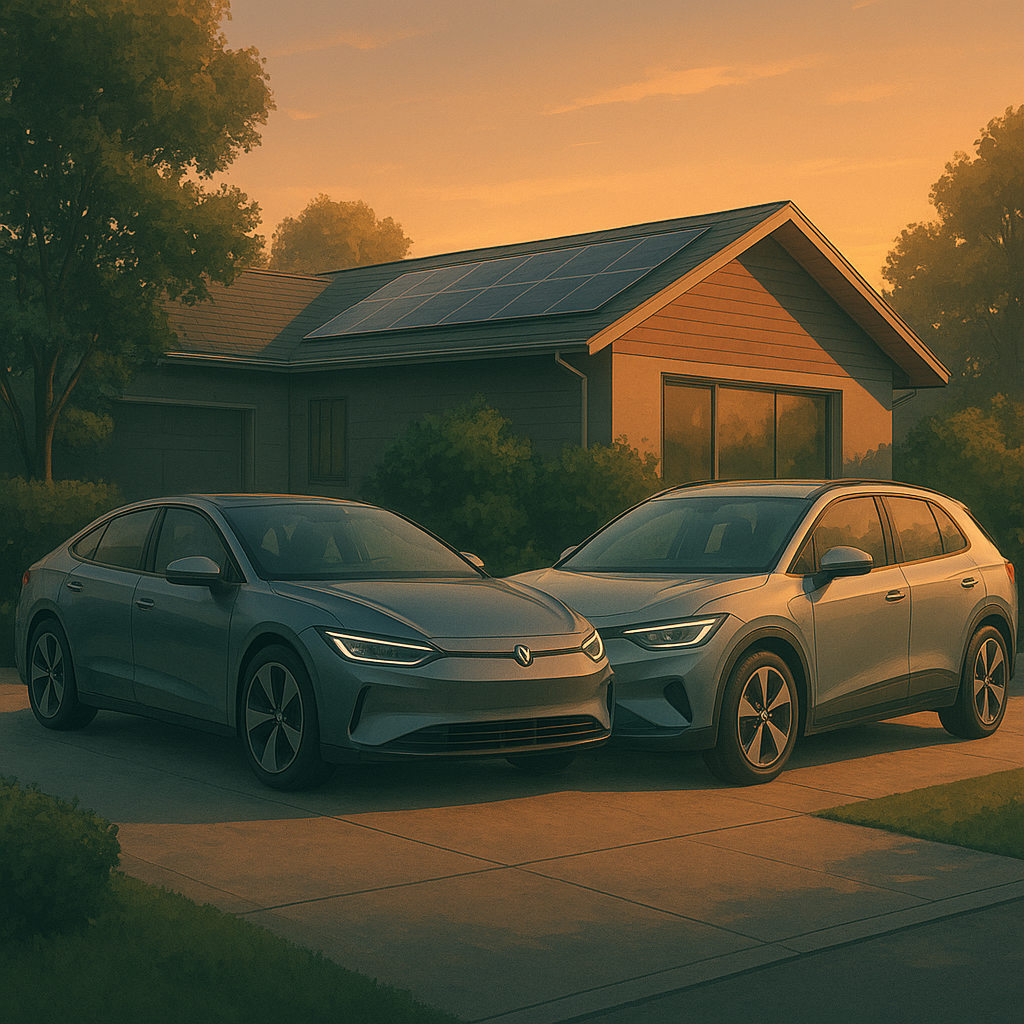
My journey began with a midsize electric sedan, chosen primarily for its range and comfort, followed by a compact electric crossover aimed at urban agility. Owning two distinctly different EV models has revealed contrasts and commonalities that every potential buyer should consider. From charging habits to total cost of ownership, the lessons learned go beyond marketing claims and glossy showroom presentations.
“Owning multiple EVs has highlighted how critical it is to match your vehicle choice with your specific driving patterns and charging ecosystem,” I often tell friends exploring their first EV purchase.
Tracing the Path: How Electric Vehicles Became a Mainstream Choice
The rise of electric vehicles from niche tech curiosities to everyday transportation staples is a story intertwined with climate imperatives, policy incentives, and relentless innovation. By 2026, global EV sales have surged past 20 million annually, with the majority of new vehicles sold in Europe, China, and parts of North America now fully electric or plug-in hybrids, according to industry analysts.
The shift has roots in the 2010s, when early adopters embraced EVs despite limited range and sparse charging options. Governments worldwide accelerated this trend with subsidies, tax breaks, and stringent emissions regulations. Automakers responded by investing billions into battery development, autonomous driving capabilities, and mass production efficiencies.
In particular, breakthroughs in solid-state battery technology have redefined expectations. These batteries offer higher energy density, faster charging, and improved safety compared to lithium-ion cells, enabling current EVs to comfortably exceed 400 miles on a single charge. This leap, coupled with expanded fast-charging networks, has largely erased the "range anxiety" that once deterred many drivers.
“The evolution from early limited-range EVs to today’s long-range, high-performance models is a testament to how innovation responds to consumer needs and environmental urgency,” notes an EV industry expert.
Crunching the Numbers: Costs, Charging, and Real-World Performance
Understanding the financial and practical realities of EV ownership requires dissecting upfront costs, ongoing expenses, and performance metrics. My two EVs—a 2024 midsize sedan and a 2025 compact crossover—cost about $42,000 and $38,000 respectively after incentives. While this is still a premium over comparable gasoline vehicles, the gap has narrowed significantly compared to just a few years ago.
Charging costs are a major factor. Home charging, using a Level 2 charger installed in my garage, averages around $0.12 per kWh based on my local utility rates. This translates to roughly $6-$8 for a full charge, depending on battery size. Public fast chargers vary widely, with some networks offering subscription-based pricing that reduces per-charge costs.
My vehicles’ efficiency averages about 4.0 miles per kWh, which aligns with industry figures reported by the EPA. This efficiency fluctuates based on driving conditions, temperature, and vehicle load. Winter weather, for example, can reduce range by up to 20% due to battery chemistry and cabin heating demands.
- Initial purchase price: $38,000–$42,000 after incentives
- Average charging cost: $0.12/kWh at home; $0.25–$0.40/kWh on public fast chargers
- Efficiency: ~4.0 miles/kWh in mixed driving
- Range: 300–420 miles per charge depending on model
- Maintenance: Significantly lower than combustion engines due to fewer moving parts
Maintenance has been a pleasant surprise. Routine servicing is minimal—primarily tire rotations and brake fluid checks. The regenerative braking system reduces brake wear remarkably. This has translated into lower lifetime maintenance expenses, consistent with findings from the U.S. Department of Energy.
Charging Infrastructure in 2026: Progress and Persistent Challenges
One of the most critical factors influencing EV ownership satisfaction is access to reliable and convenient charging. Since 2023, public charging infrastructure has expanded rapidly. The number of fast chargers in metropolitan and suburban areas has more than doubled, with investment from private companies and government initiatives alike.
However, disparities remain. Urban centers like New York, San Francisco, and Berlin boast dense, well-maintained charging hubs, while rural areas lag behind. My experience traveling between cities in different states illuminated inconsistencies in charger availability and network interoperability. Some chargers require proprietary apps or subscriptions, complicating access.
Technological advances such as ultra-fast 350 kW chargers have cut recharge times dramatically for compatible vehicles, reducing a typical 20–80% charge to under 20 minutes. Yet, not all EVs support such high rates, and frequent use of ultra-fast chargers may accelerate battery degradation.
- Urban charging density: 3–5 chargers per square mile in major cities
- Rural charging access: Less than 1 charger per 50 square miles in some regions
- Fast charging capability: 150–350 kW for recent EV models
- Average time to 80% charge: 15–30 minutes depending on charger and vehicle
To mitigate these issues, I rely heavily on planning apps that map charging stations and provide real-time availability. These tools are indispensable for longer trips or when visiting less familiar areas. Despite improvements, the charging ecosystem still requires harmonization to truly rival the convenience of gasoline refueling.
Driving Experience and Daily Use: The Reality Behind the Hype
Driving EVs is often described as a different sensation compared to gasoline cars. My two vehicles showcase this vividly. The midsize sedan offers a smooth, silent ride with instant torque delivery that makes city traffic a pleasure. The crossover provides higher seating and more cargo space but with slightly less acceleration.
Regenerative braking is a game changer. It allows for one-pedal driving in many situations, reducing fatigue and boosting efficiency. However, mastering this system takes some adjustment, especially for drivers accustomed to traditional braking feel. Cold weather also impacts battery performance and cabin heating, requiring preconditioning via smartphone apps before departure.
EVs also excel in urban stop-and-go scenarios, where electric motors operate most efficiently. Long highway drives, while still comfortable, require more strategic charging stops. My experience aligns with findings from consumer reports showing that range, charging speed, and vehicle size are critical factors for satisfaction.
Interior technology has evolved rapidly. Both vehicles feature advanced driver assistance systems, over-the-air software updates, and full integration with smart home ecosystems. This connectivity enhances convenience but also raises questions about data privacy and cybersecurity.
Looking Ahead: What Every Prospective EV Buyer Should Know
As the EV market matures, prospective buyers face a complex, dynamic landscape. My dual EV ownership has underscored several actionable takeaways:
- Match vehicle to use case: Consider your typical driving distances, cargo needs, and charging access before selecting a model.
- Invest in home charging: A Level 2 charger at home is essential for convenience and cost savings.
- Plan for charging variability: Use apps and familiarize yourself with local charging networks, especially for longer trips.
- Weather matters: Cold climates reduce range and require additional planning for preconditioning and charging.
- Stay updated on technology: Software updates and new features can enhance your vehicle over time.
The trajectory of electric vehicles is promising but still evolving. TheOmniBuzz readers looking for deeper insights may also find valuable perspectives in the articles Owning Two EVs Taught Me What Buyers Really Need to Know and What Owning Two Electric Vehicles Taught Me About EV Realities. These pieces complement the practical lessons shared here, helping consumers make informed choices.
“Electric vehicles have shifted from an environmental ideal to a practical, compelling option for everyday drivers—provided you understand their nuances,” summarizes a veteran EV consultant.
Ultimately, owning two electric vehicles has been a revealing journey into the promises and pitfalls of the technology. It’s a story of adaptation, learning, and embracing change. For those ready to make the leap, the rewards are tangible: lower emissions, reduced operating costs, and a driving experience increasingly tailored to modern lifestyles.