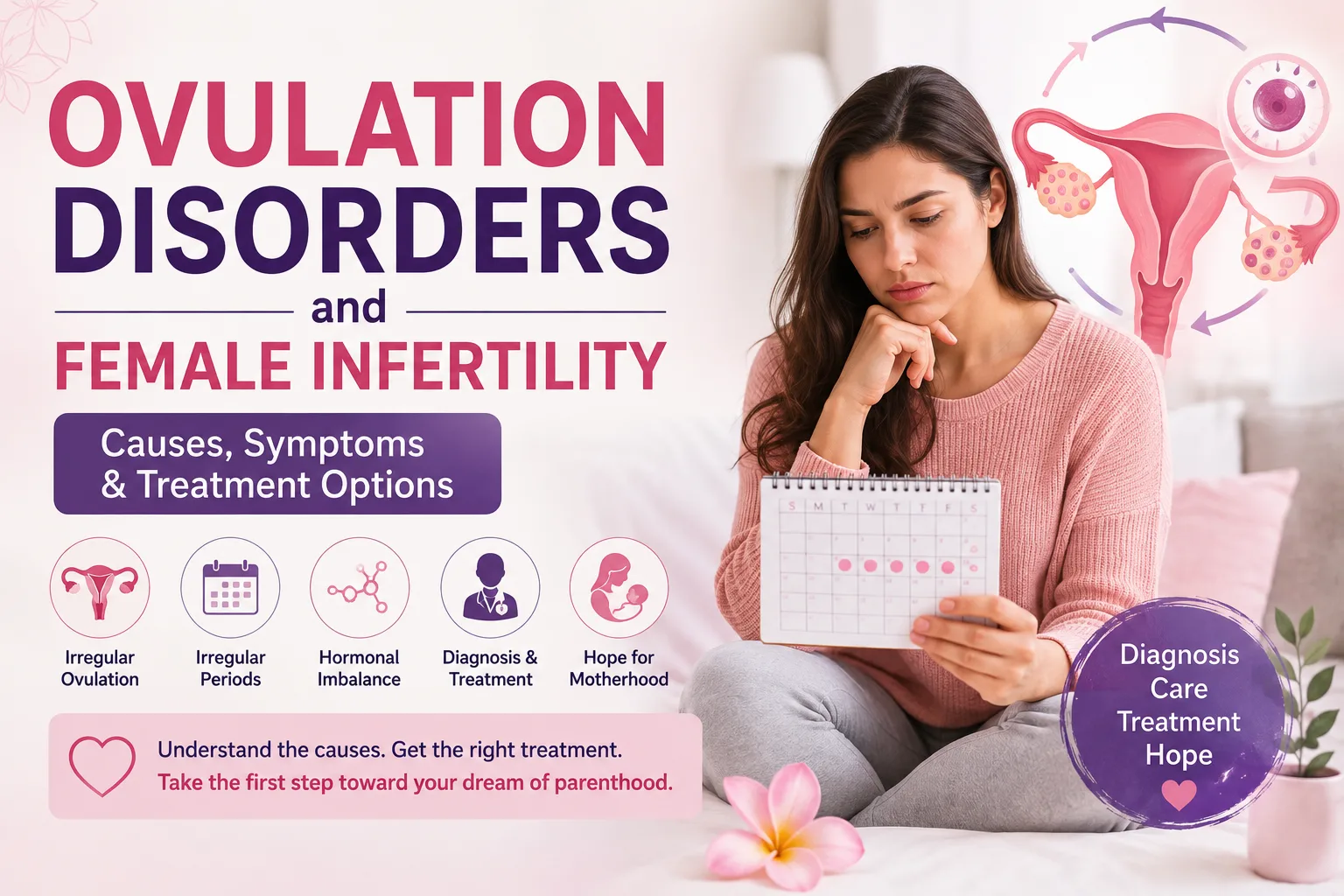
Ovulation is a crucial part of the female reproductive cycle. Every month, a mature egg is released from the ovary, making pregnancy possible if fertilization occurs. However, when ovulation becomes irregular or stops altogether, it can significantly reduce the chances of conception. In fact, ovulation disorders and female infertility are closely connected, with ovulation problems accounting for nearly 25–30% of female infertility cases.
The good news is that many ovulation disorders can be diagnosed and treated successfully. Understanding the causes, symptoms, and available treatment options can help women take proactive steps toward achieving a healthy pregnancy.
What Are Ovulation Disorders?
Ovulation disorders occur when the ovaries fail to release an egg regularly or do not release one at all (anovulation). Without ovulation, natural conception cannot occur because there is no egg available for fertilization.
Ovulation disorders may be temporary or long-term, depending on the underlying cause. While some women experience completely absent ovulation, others may ovulate irregularly, making it difficult to predict fertile days.
Common Causes of Ovulation Disorders
1. Polycystic Ovary Syndrome (PCOS)
PCOS is one of the leading causes of ovulation disorders. Hormonal imbalances interfere with the normal release of eggs, leading to irregular or missed periods. Women with PCOS may also experience:
- Weight gain
- Acne
- Excessive facial or body hair
2. Thyroid Disorders
Both hypothyroidism and hyperthyroidism can disrupt reproductive hormones and interfere with regular ovulation. Proper treatment of thyroid conditions often restores normal menstrual cycles.
3. Hyperprolactinemia
Elevated prolactin levels can suppress ovulation by affecting the hormones responsible for egg development. This condition can often be treated with medication.
4. Premature Ovarian Insufficiency (POI)
Premature ovarian insufficiency occurs when the ovaries stop functioning normally before the age of 40. Women with POI may experience:
- Irregular periods
- Hot flashes
- Reduced fertility
5. Lifestyle Factors
Several lifestyle factors can contribute to ovulation disorders, including:
- Chronic stress
- Obesity
- Being underweight
- Excessive exercise
- Poor nutrition
- Smoking
Addressing these factors can improve hormonal balance and reproductive health.
Symptoms of Ovulation Disorders
Symptoms vary depending on the underlying condition but commonly include:
- Irregular menstrual cycles
- Missed periods
- Very heavy or very light bleeding
- Difficulty conceiving
- Excess facial or body hair
- Acne
- Weight gain
- Pelvic discomfort
Some women may have no obvious symptoms apart from difficulty becoming pregnant.
How Are Ovulation Disorders Diagnosed?
A fertility specialist may recommend several tests to determine whether ovulation is occurring regularly.
Common investigations include:
- Hormone blood tests (FSH, LH, AMH, Prolactin, TSH)
- Pelvic ultrasound
- Ovulation tracking
- Basal body temperature monitoring
- Progesterone blood test
- Follicular monitoring using ultrasound
These tests help identify the cause of irregular ovulation and guide treatment.
Treatment Options
Treatment depends on the underlying cause and the woman's reproductive goals.
Treatment options may include:
- Lifestyle modifications such as weight management and regular exercise
- Ovulation-inducing medications
- Hormonal therapy
- Treatment for thyroid or prolactin disorders
- Management of PCOS
- Assisted reproductive techniques such as IUI or IVF, when required
Many women respond well to treatment and successfully achieve pregnancy.
Lifestyle Changes That Support Healthy Ovulation
Along with medical treatment, healthy habits can improve ovulatory function.
Recommended lifestyle changes:
- Eat a balanced, nutrient-rich diet.
- Maintain a healthy body weight.
- Exercise regularly but avoid excessive workouts.
- Manage stress through yoga or meditation.
- Get adequate sleep.
- Avoid smoking and excessive alcohol consumption.
These habits support hormonal balance and overall reproductive health.
When Should You See a Fertility Specialist?
Consult a fertility specialist if:
- You have irregular or absent periods.
- You have been trying to conceive for one year (or six months if over 35).
- You have been diagnosed with PCOS or thyroid disease.
- You experience repeated miscarriages.
- You suspect you are not ovulating regularly.
Early diagnosis improves treatment success and expands fertility options.
How Ferti Health Can Help
Every woman's fertility journey is unique. Ferti Health connects patients with experienced fertility specialists who provide:
- Comprehensive fertility evaluations
- Ovulation assessments
- Hormone testing
- Personalized treatment plans
- Advanced reproductive care
Whether your goal is natural conception or assisted fertility treatment, expert guidance can help you take the next step with confidence.
Conclusion
The connection between ovulation disorders and female infertility is significant, but most ovulation problems are treatable with timely diagnosis and appropriate care. Identifying the underlying cause, adopting healthy lifestyle habits, and seeking expert medical advice can greatly improve the chances of conception.
If you have irregular menstrual cycles or difficulty becoming pregnant, don't delay seeking professional help. Early intervention often leads to better outcomes and brings you one step closer to achieving your dream of parenthood.
Frequently Asked Questions (FAQs)
1. Can ovulation disorders cause infertility?
Yes. If ovulation does not occur regularly, there is no egg available for fertilization, making pregnancy more difficult.
2. What is the most common cause of ovulation disorders?
Polycystic Ovary Syndrome (PCOS) is the most common cause of ovulation-related infertility.
3. Can ovulation disorders be treated?
Yes. Many ovulation disorders can be managed with lifestyle changes, medication, hormone therapy, or fertility treatments depending on the underlying cause.
4. How do doctors check if I am ovulating?
Doctors may recommend hormone blood tests, pelvic ultrasound, ovulation tracking, or progesterone testing to confirm ovulation.
5. When should I seek medical help?
If you have irregular periods, absent menstruation, or have been trying to conceive without success for the recommended time, consult a fertility specialist for evaluation.