
From Ancient Regimens to Hyper-Personalized Wellness: A Fitness Odyssey
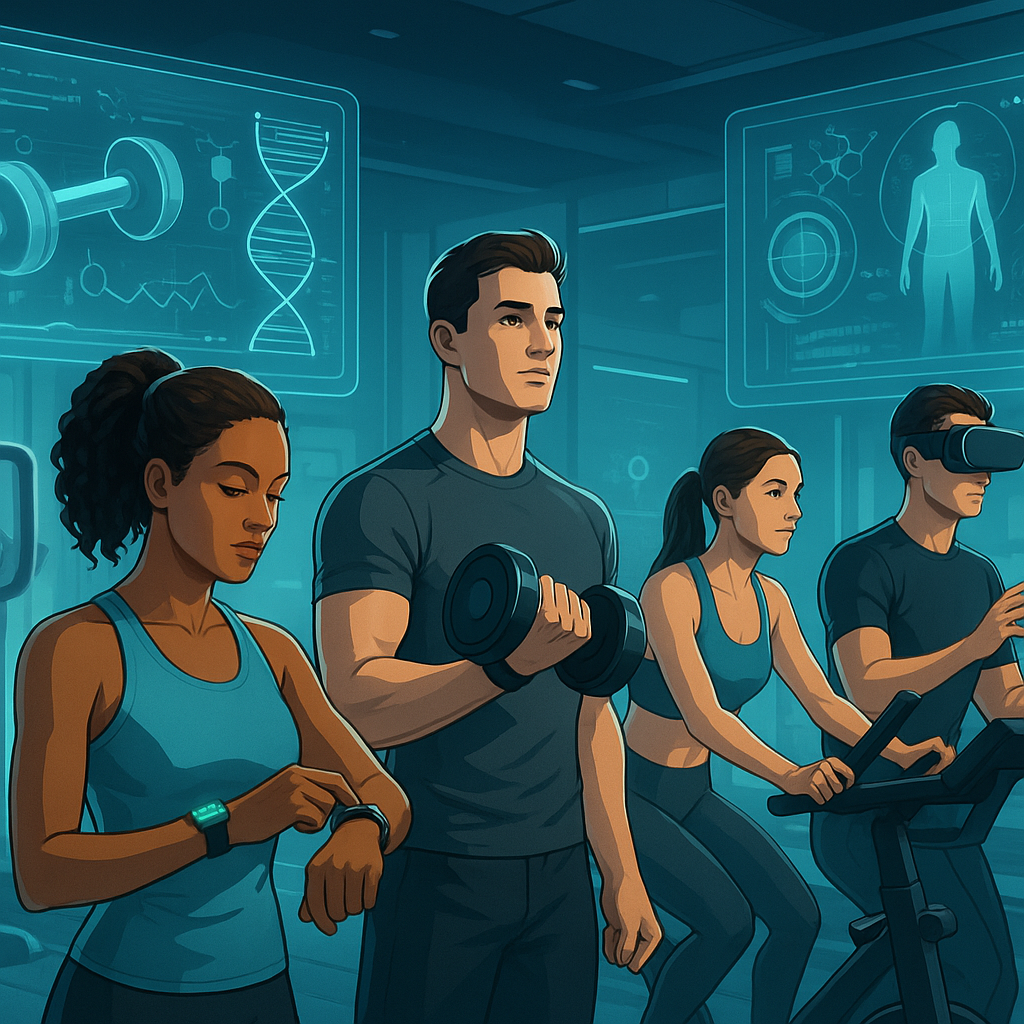
Picture a bustling metropolis in 2026 where a diverse crowd of professionals, retirees, and students converge in communal parks, smart gyms, and virtual classes. They all share a singular goal intertwined with their daily lives: fitness. Yet, this collective pursuit is no longer about mere aesthetics or fleeting trends. It is about crafting enduring vitality through a sophisticated blend of science, technology, and personal empowerment. This scene captures the profound transition fitness has undergone over millennia, accelerated dramatically in recent decades.
Historically, fitness was a byproduct of survival and labor. Ancient civilizations emphasized physical strength and endurance for hunting, defense, and agriculture. As societies industrialized, a sedentary lifestyle emerged, distancing humans from natural movement patterns. The 20th century saw fitness morph into a cultural phenomenon focused on body image and performance, spearheaded by gym culture and aerobics in the 1980s. However, these approaches often lacked sustainability and inclusivity.
Today, fitness is a multidimensional concept encompassing physical health, mental well-being, and social connectivity, underpinned by rigorous scientific research and innovative technology. The urban scene in 2026 is emblematic of this shift — where AI-driven personal trainers, biofeedback devices, and immersive virtual environments converge to tailor fitness experiences at an unprecedented scale.
“Fitness in 2026 is less about one-size-fits-all routines and more about integrating data, psychology, and lifestyle into a coherent vitality strategy,” explains Dr. Marissa Chen, a leading exercise physiologist.
How Science and Data Have Revolutionized Fitness Paradigms
The foundation of modern fitness is solidly scientific. Advances in physiology, biomechanics, nutrition, and neuroscience have created a comprehensive map of human capacity and adaptation. Unlike earlier decades, where anecdotal advice dominated, fitness regimens today are data-driven and evidence-based.
Recent meta-analyses published in the Journal of Sports Science & Medicine have elucidated key principles that govern effective, sustainable fitness:
- Individual variability: Genetic and epigenetic factors heavily influence how individuals respond to different exercise modalities.
- Adaptive training: Periodization and progressive overload must be meticulously calibrated through continuous monitoring.
- Recovery and mental health: Neuroplasticity and hormonal balance are crucial to performance and injury prevention.
- Nutrition synergy: Macronutrient timing and personalized supplementation enhance recovery and muscle synthesis.
Additionally, wearable technology has democratized access to physiological data. Devices now measure heart rate variability, oxygen saturation, sleep quality, and even stress markers in real time. This granular insight allows fitness programs to dynamically adjust intensity and volume, optimizing outcomes while minimizing burnout.
Data from the Global Fitness Technology Report 2026 indicates that 78% of active adults use some form of wearable tech, a significant rise from 45% in 2020. This surge reflects a broader societal embrace of quantified self-movement, where numbers guide motivation and accountability.
“The integration of biosensors and AI has transformed fitness from guesswork to precision craft,” notes Jacob Farley, CEO of FitPulse, a leading smart fitness platform.
Current Innovations Shaping the Fitness Landscape in 2026
The fitness industry in 2026 is defined by convergence: biotechnology, artificial intelligence, immersive media, and behavioral science coalesce to create holistic wellness ecosystems.
Key developments include:
- AI-Powered Personalized Coaching: Platforms leverage machine learning algorithms analyzing genetic data, past performance, lifestyle habits, and psychological profiles to deliver bespoke training regimens.
- Virtual and Augmented Reality Workouts: Immersive VR environments simulate real-world terrains or fantasy settings, enhancing engagement and adherence.
- Neurofitness: Cognitive training combined with physical exercise targets brain health, improving focus, memory, and emotional regulation.
- Smart Recovery Systems: Devices using cryotherapy, photobiomodulation, and targeted neuromuscular electrical stimulation accelerate muscle repair and reduce fatigue.
- Sustainable Fitness Models: Eco-conscious gyms and equipment emphasize energy efficiency and community-building, reflecting growing environmental awareness.
For instance, the startup NeuroMove recently launched a VR-integrated neurofitness program that synchronizes physical movement with real-time brainwave monitoring, promoting cognitive and physical resilience simultaneously. Early adopters report notable improvements in productivity and mood, underscoring the potential of this hybrid approach.
Moreover, the rise of community-centric fitness hubs fosters social interaction, an element proven to boost motivation and longevity of fitness commitments. These hubs often blend virtual connectivity with physical spaces, supporting hybrid participation.
Such innovations also catalyze new business models. Fitness-as-a-service (FaaS) subscriptions that bundle AI coaching, diagnostics, and virtual classes have surpassed traditional gym memberships, according to industry sources.
Expert Insights: The Intersection of Fitness, Mental Health, and Longevity
The relationship between fitness and mental health has garnered unprecedented attention. Psychologists and physiologists increasingly stress that physical fitness is inseparable from emotional and cognitive well-being.
Dr. Elena Moreno, a neuropsychologist at the Longevity Institute, asserts, “Exercise stimulates neurogenesis, releases endorphins, and modulates stress hormones. It is a frontline defense against depression, anxiety, and cognitive decline.” This perspective is backed by longitudinal studies tracking over 10,000 adults, revealing that consistent moderate exercise reduces the risk of dementia by up to 40%.
Fitness also plays a pivotal role in extending healthspan, the period of life spent in good health. Research from the American Aging Association highlights that muscle mass preservation through resistance training correlates with lower incidence of metabolic diseases and frailty in older adults.
Integrating mental health strategies into fitness programs, such as mindfulness practices and biofeedback, enhances adherence and overall impact. As fitness professional and author Diego Vasquez notes, “The future lies in fitness models that honor the mind-body nexus, not just physical output.”
This holistic approach is reflected in emerging certifications for fitness coaches who specialize in mental wellness and longevity, signaling a paradigm shift in industry standards.
Looking Forward: Practical Strategies and Trends to Watch
As fitness continues to evolve, individuals and professionals face a landscape rich with opportunity but also complexity. Several actionable takeaways stand out for those aiming to harness the latest advancements:
- Embrace personalization: Leveraging genetic testing and AI diagnostics to tailor fitness plans is becoming essential.
- Prioritize recovery: Incorporate emerging recovery modalities and monitor biomarkers to prevent overtraining.
- Engage the mind: Integrate cognitive training and mental health support within fitness routines.
- Leverage community: Participate in hybrid fitness communities to sustain motivation and social support.
- Stay informed: Follow credible sources and research to avoid fads and misinformation.
Additionally, policy makers and corporate wellness programs increasingly recognize fitness as a cornerstone of public health strategy. Incentives for active commuting, workplace fitness integration, and urban design promoting movement are gaining traction globally.
Looking ahead, the fusion of biotechnology and digital health promises breakthroughs such as real-time metabolic monitoring and gene-editing interventions to optimize physical performance safely. However, ethical considerations around data privacy and accessibility will demand vigilant governance.
For those beginning their journey or recalibrating their approach, resources like the comprehensive guides featured in Starting Strong: A Practical Blueprint for Launching Your Fitness Journey and the latest scientific insights in Unlocking Enduring Vitality: The Science and Strategy Behind Fitness in 2026 offer invaluable foundations.
“Fitness is no longer an isolated activity but a lifelong, adaptive process supported by a network of science, technology, and community,” summarizes Dr. Chen.
As society embraces this transformation, fitness transcends its traditional boundaries to become a vital pillar of human flourishing in the 21st century and beyond.