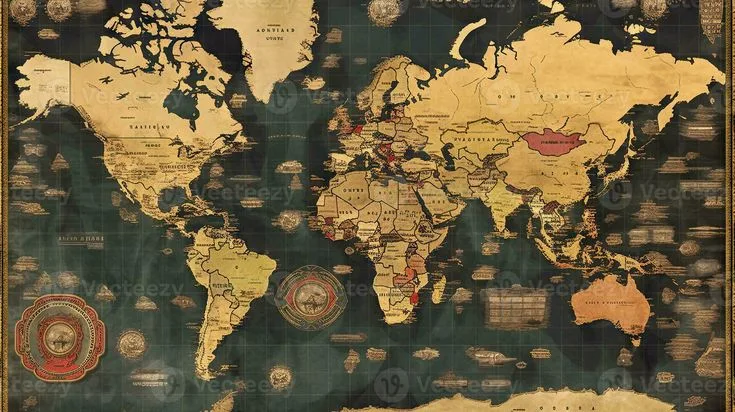
Original antique maps offer a fascinating connection to the past, bringing together history, geography, artistry, and exploration in one remarkable piece. Unlike modern maps created primarily for navigation, historical maps often reflect the knowledge, discoveries, and artistic styles of the period in which they were produced. Every original antique map tells a unique story about how people understood the world, documented unfamiliar territories, and represented important cities, countries, and landscapes. For collectors, historians, interior designers, and enthusiasts, these maps provide an opportunity to own something that carries both historical significance and timeless visual appeal.
The Historical Value of Original Antique Maps
The appeal of original antique maps goes far beyond their appearance. They are valuable historical documents that preserve geographical knowledge from different centuries. Early cartographers worked with the information available during their time, often relying on explorers' accounts, maritime records, travel journals, and geographical observations.
As discoveries expanded, maps gradually changed to include newly explored regions, updated coastlines, additional settlements, and improved geographical details. Comparing maps from different periods allows collectors to understand how geographical knowledge developed.
Original maps can also reveal historical borders, former place names, trade routes, and political territories. These details make them interesting resources for anyone researching the development of particular regions or studying the history of exploration.
What Makes an Antique Map Original?
An original antique map is generally an authentic historical publication produced during the period it represents. It is different from a modern reproduction, which copies the appearance of an older map using contemporary printing methods.
Several characteristics can help establish the authenticity of an antique map. These include its printing technique, paper quality, publication details, typography, engraving style, and historical references. Some maps also contain publisher information, dates, decorative borders, or engraver signatures.
However, determining authenticity requires careful examination. A professional specialist can assess the map's age, condition, printing process, and historical background. Buyers should also request clear descriptions and provenance information when purchasing significant pieces.
Different Styles of Antique Maps
Antique maps come in many different styles, each reflecting the artistic preferences and geographical interests of its period.
World maps are particularly popular because they illustrate how earlier generations imagined the entire globe. Some feature decorative illustrations, sailing ships, sea creatures, and elaborate compass roses.
Regional maps focus on specific geographical areas, including countries, provinces, and historical territories. They are especially attractive to collectors interested in a particular location or its historical development.
City maps provide detailed views of streets, buildings, landmarks, and surrounding landscapes. They can offer valuable insights into how urban areas developed over time.
Maritime maps and nautical charts are another fascinating category. They document coastlines, harbours, sea routes, and navigational information, making them particularly interesting to collectors with an interest in maritime history.
Why Collectors Appreciate Original Antique Maps
Collecting original antique maps is an enjoyable way to explore history through authentic objects. Each piece has its own background, publication history, and visual characteristics. Unlike mass-produced decorative artwork, an original historical map can offer a direct connection to a particular moment in geographical history.
Some collectors focus on maps from specific centuries, while others concentrate on particular countries, historical events, or cartographers. Building a collection around a defined subject can make the experience more rewarding.
Collectors also appreciate the individuality of antique maps. Variations in printing, colouring, paper condition, and historical annotations give every example its own character. Finding an interesting map can become an exciting part of developing a personal collection.
Original Antique Maps as Decorative Artwork
Antique maps are not limited to libraries, museums, or specialist collections. They can also become beautiful decorative features in residential and professional spaces.
A carefully selected map can add personality to a living room, home office, study, or reading area. Its historical appearance creates an interesting visual element while offering something meaningful for visitors to explore.
Larger world maps can make impressive statement pieces, while smaller regional maps work well as part of a gallery wall. Maps with detailed engraving, elegant lettering, and traditional colouring can complement both classic and contemporary interiors.
Framing is an important consideration when displaying an original antique map. Archival-quality materials and suitable protective glazing can help preserve the paper while allowing its historical details to remain visible.
Understanding the Condition of Antique Maps
Condition plays an important role in evaluating an original antique map. Since these objects have often survived for many decades or centuries, signs of age are common.
Buyers may encounter paper discolouration, small tears, folds, stains, faded colouring, or historical repairs. These characteristics do not automatically make a map undesirable, but they should be considered before making a purchase.
A detailed condition description helps buyers understand what they are acquiring. High-quality photographs are also useful because they reveal printing details, paper texture, margins, and any visible imperfections.
Maps that have been carefully stored and preserved may retain more of their original appearance. Nevertheless, an authentic historical document can remain interesting even when it shows evidence of its age.
How to Choose the Right Antique Map
Choosing an antique map should begin with personal interest. Some buyers prefer historical world maps, while others are attracted to maps of particular countries, cities, or regions.
The publication period is another important factor. Different centuries introduced distinctive cartographic techniques and artistic approaches. Understanding these differences can help buyers identify pieces that match their interests.
Authenticity, provenance, condition, and seller reputation should also influence the purchasing decision. Buyers should look for accurate descriptions and ask questions about the map's publication history whenever necessary.
It is also helpful to consider where the map will be displayed. Its dimensions, colours, orientation, and framing requirements can influence how successfully it fits into a chosen space.
Preserving Original Antique Maps for the Future
Proper preservation helps protect antique maps and maintain their historical value. Paper is sensitive to environmental conditions, so storage and display arrangements deserve careful attention.
Maps should be kept away from direct sunlight, excessive moisture, and sudden temperature changes. Acid-free folders, archival mounting materials, and protective storage solutions can help reduce unnecessary deterioration.
Handling should also be gentle. Clean, dry hands and a suitable working surface can reduce the risk of accidental damage. Valuable or fragile maps should be examined and restored by experienced paper conservation specialists rather than treated with unsuitable household products.
These simple preservation practices allow collectors to enjoy their maps while protecting them for future generations.
Conclusion
Original antique maps combine historical knowledge, traditional craftsmanship, and artistic beauty in a way that few collectible objects can match. From detailed city plans and regional illustrations to impressive world maps and maritime charts, every category offers something different to discover. Whether purchased for historical research, personal collecting, or interior decoration, authentic antique maps provide a meaningful connection to earlier generations. By choosing carefully, verifying authenticity, and following suitable preservation practices, collectors can appreciate these remarkable historical documents for many years.