If your eye doctor has recommended an OCT eye test Miami , you may be wondering what the scan involves and whether it will be uncomfortable. The good news is that an OCT (Optical Coherence Tomography) scan is a quick, non-invasive, and painless imaging test that provides detailed pictures of the retina and optic nerve. It helps detect eye conditions early, often before noticeable symptoms appear.
What Is an OCT Eye Test?
An OCT scan uses light waves to create detailed cross-sectional images of the structures inside your eye. These images allow your eye doctor to evaluate retinal health and monitor conditions such as glaucoma, macular degeneration, and diabetic eye disease with greater accuracy.
OCT Eye Test Miami: What Happens During the Scan?
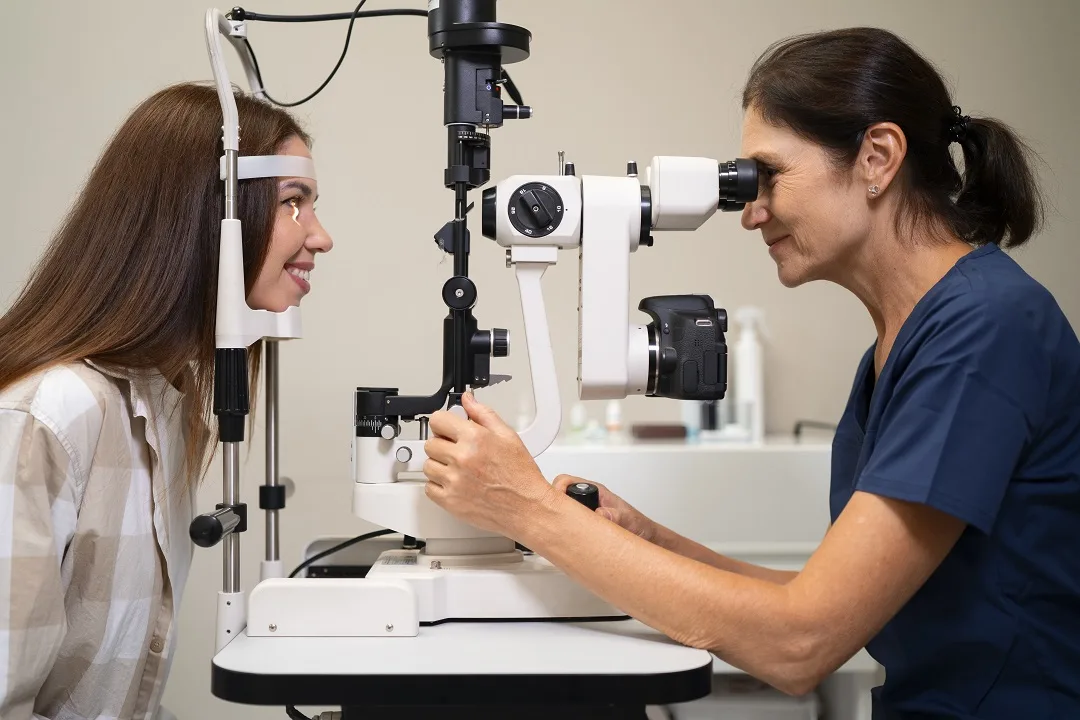
During an OCT eye test Miami , you'll sit comfortably in front of the scanner and look at a small target while the machine captures high-resolution images. Nothing touches your eye, and the scan is usually completed in just a few minutes. In some cases, your pupils may be dilated for a clearer view.
Is the Scan Painful?
No. An OCT scan is completely painless. There are no needles, injections, or direct contact with your eyes. Most patients find the procedure comfortable and are able to return to their normal activities immediately after the test.
Why Early Eye Imaging Matters
Many serious eye conditions develop without obvious symptoms. An OCT scan helps detect subtle changes early, allowing your eye doctor to recommend timely treatment and protect your long-term vision.
Conclusion
An OCT eye test in Miami is a safe, fast, and painless way to assess your eye health and detect potential problems before they affect your vision.Schedule your OCT eye exam at Eyes on Brickell, 2885 SW 3rd Ave Suite 100, Miami FL 33129, and let our experienced team help you protect your sight with advanced diagnostic care.
FAQ
1. Is an OCT eye test painful?
No. An Optical Coherence Tomography (OCT) scan is completely painless and non-invasive. It uses light waves to capture detailed images of your retina without touching your eye.
2. How long does an OCT scan take?
The scan itself usually takes just 5–10 minutes. If it's part of a comprehensive eye exam, your overall appointment may last 30–60 minutes.
3. Do I need to prepare for an OCT eye test?
In most cases, no special preparation is needed. However, if your eye doctor plans to dilate your pupils, you may want to bring sunglasses and arrange transportation if your vision becomes temporarily blurry.
4. What can an OCT scan detect?
An OCT scan helps diagnose and monitor various eye conditions, including:
- Glaucoma
- Macular degeneration (AMD)
- Diabetic retinopathy
- Macular edema
- Retinal tears and other retinal diseases
5. Will the OCT machine touch my eye?
No. The OCT machine never touches your eye. You'll simply look at a target while the scanner captures high-resolution images.
6. Is pupil dilation required for an OCT scan?
Not always. Many OCT scans can be performed without dilation, but your eye doctor may recommend dilating your pupils if clearer retinal images are needed.
7. Is an OCT eye test safe?
Yes. OCT technology uses harmless light waves rather than radiation or X-rays, making it safe for adults, children, and seniors.
8. Who should get an OCT eye test?
An OCT scan is recommended for people with:
- Diabetes
- Glaucoma or a family history of glaucoma
- Macular degeneration
- Sudden vision changes
- High-risk retinal conditions It is also valuable during routine comprehensive eye exams for early disease detection.
9. How often should I have an OCT eye scan?
The frequency depends on your eye health. Patients with chronic eye conditions may need annual or more frequent OCT scans, while others may only require one as recommended during routine eye exams.
10. Where can I get an OCT eye test in Miami?
If you're experiencing blurred vision, have a family history of eye disease, or need advanced retinal imaging, schedule an OCT eye test with a trusted Miami eye care provider. Early detection can help preserve your vision and support long-term eye health.