Choosing a diamond is an exciting decision, whether you are planning an engagement, celebrating an anniversary, or designing a custom piece of jewelry. Many shoppers now consider Lab Diamonds in Dallas because they offer the same visual beauty and durability as mined diamonds while often fitting more comfortably within a planned budget. Understanding how these stones are created, graded, and set can help you choose a piece you will treasure for years.
What Are Lab-Grown Diamonds?
Lab-grown diamonds are real diamonds created in a controlled laboratory environment rather than formed deep within the earth over millions of years. They have the same chemical composition, crystal structure, hardness, and optical properties as natural diamonds.
Two common methods are used to create them:
- High Pressure High Temperature (HPHT): Recreates the intense heat and pressure conditions that help carbon crystallize into diamond.
- Chemical Vapor Deposition (CVD): Uses carbon-rich gas to build diamond layers gradually over time.
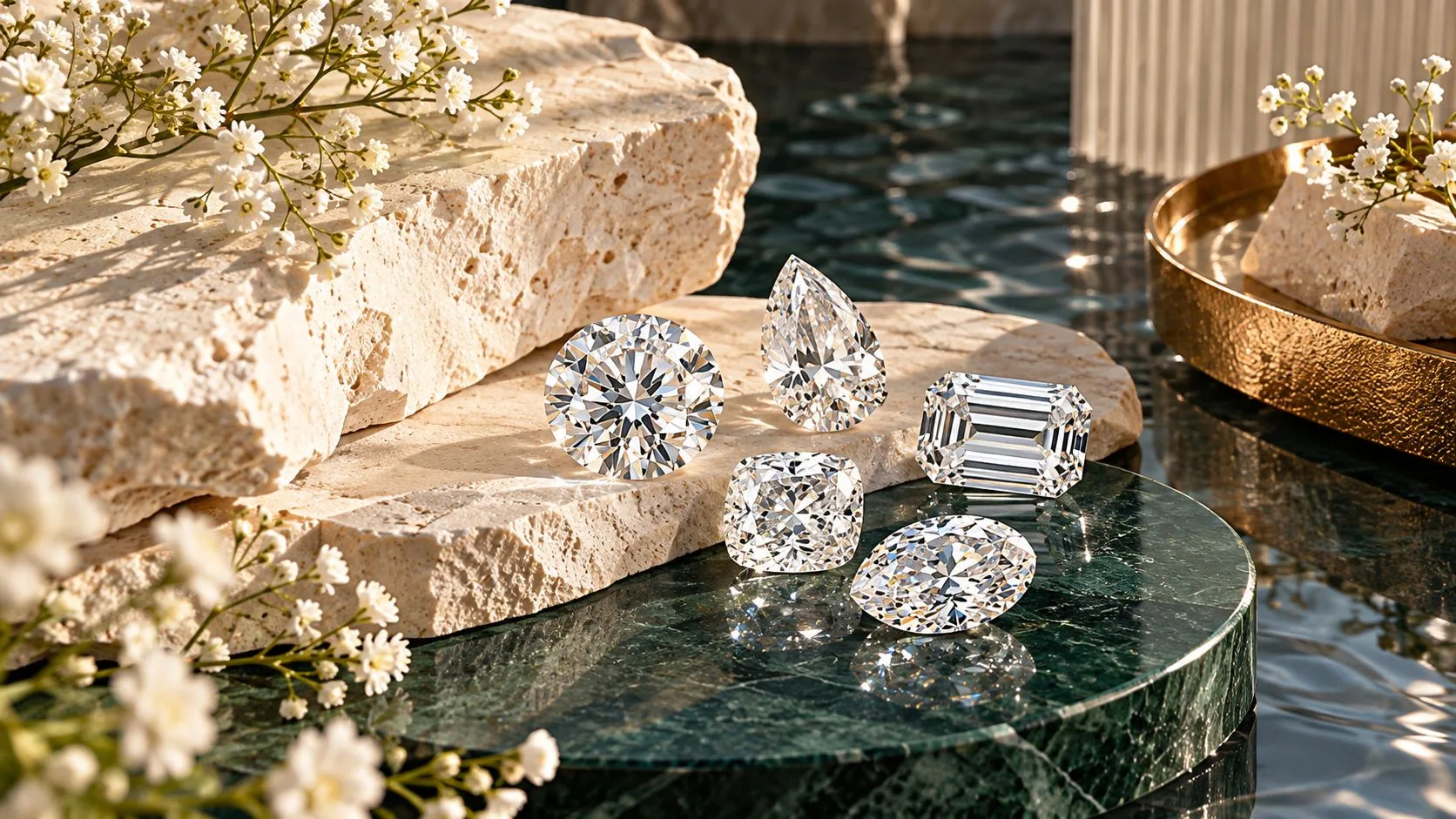
Because they are genuine diamonds, lab-grown stones can be cut into popular shapes such as round, oval, cushion, emerald, pear, and princess. They can also be paired with white gold, yellow gold, rose gold, or platinum settings.
Why Buyers Choose Lab-Grown Diamonds
Lab-grown diamonds have become popular for several practical reasons. They allow buyers to focus more of their budget on the qualities that matter most to them, such as carat size, cut quality, or a more elaborate custom setting.
Key benefits include:
- Real diamond beauty: Lab-grown diamonds sparkle and perform like mined diamonds.
- Durability: Like natural diamonds, they are extremely hard and suitable for everyday wear.
- Design flexibility: They work well in engagement rings, pendants, earrings, bracelets, and custom jewelry.
- Value-focused shopping: Buyers may be able to choose a larger stone or higher-quality setting within the same budget.
- Modern appeal: Many couples appreciate having a clear understanding of how their diamond was created.
The right choice ultimately depends on your priorities. Some buyers prefer a natural diamond for its geological origin, while others prefer a lab-grown diamond for its value and modern production process.
How to Evaluate Quality
A diamond’s beauty is not determined by size alone. The industry uses the 4 Cs to describe quality: cut, color, clarity, and carat weight.
Cut
Cut has a major impact on sparkle. A well-cut diamond reflects light effectively, creating brightness, fire, and scintillation. Even a smaller diamond can look stunning when it is cut well.
Color
Color grading measures how colorless a diamond appears. Many buyers find that near-colorless grades offer an attractive balance between appearance and value, especially when the diamond is set in yellow or rose gold.
Clarity
Clarity refers to natural internal or surface characteristics called inclusions and blemishes. An “eye-clean” diamond—one without visible imperfections to the naked eye—can be an excellent choice for many buyers.
Carat Weight
Carat measures a diamond’s weight, not its physical dimensions alone. Two diamonds with the same carat weight can look different in size depending on their cut and shape.
Certification Matters
Before purchasing any diamond, ask for a grading report from a recognized gemological laboratory. A report should identify the stone as laboratory-grown and provide details about its characteristics.
When reviewing certification, check:
- The report number
- The diamond shape and carat weight
- Color and clarity information
- Cut details, when provided
- Confirmation that the stone is laboratory-grown
Independent certification helps you compare stones more confidently and ensures the details on the invoice match the diamond you are buying.
Choosing the Right Setting
The setting influences both the appearance and everyday practicality of your jewelry. A classic solitaire highlights the center stone, while a halo setting can make it appear larger. Pavé bands add extra sparkle, while three-stone designs offer a meaningful symbolic look.
Consider your lifestyle as well. If you use your hands frequently, a lower-profile setting may be more comfortable and protective. If you want maximum brilliance, a setting that exposes more of the diamond’s sides can enhance its sparkle.
Custom Jewelry Makes the Piece Personal
A custom design allows you to create jewelry that reflects your story rather than choosing from a standard catalog. You can select the diamond shape, metal type, band width, accent stones, engraving, and overall style.
Eaton Custom Jewelers specializes in lab-grown diamonds and custom jewelry design, offering rings, necklaces, pendants, and loose diamonds for customers seeking a personalized experience. Their team can help guide you through diamond selection, setting options, and design details so the finished piece matches your vision.
Final Thoughts
Lab-grown diamonds give modern buyers a beautiful way to celebrate life’s meaningful moments. By focusing on cut quality, certification, setting style, and personal design preferences, you can choose a piece that feels special and wears beautifully over time.
If you are exploring Lab Diamonds in Dallas, Eaton Custom Jewelers can help you compare options and create a custom piece that suits your style, budget, and occasion. A thoughtful approach to diamond shopping makes it easier to find jewelry that is both meaningful and enduring.
“Content Copied From”: https://writeupcafe.com/lab-diamonds-in-dallas-smart-buyers-guide-to-beautiful-ethical-jewelry