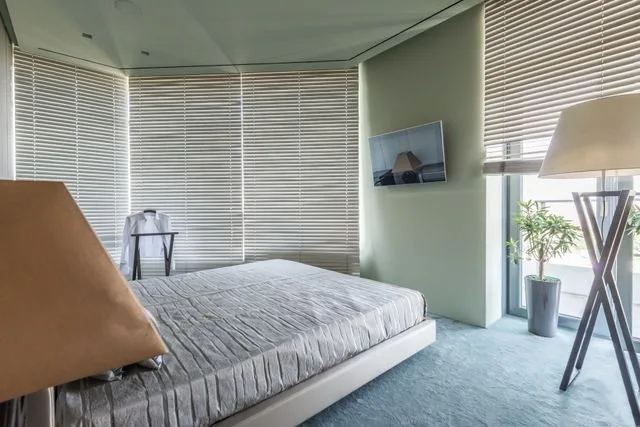
Create a More Comfortable Feel in Every Room
Natural light can make a room feel open, welcoming, and connected to the outdoors. Yet when sunlight becomes too intense, it can create glare, fade furnishings, and make indoor spaces less comfortable. Interior shades in Cary, NC, offer a way to manage these challenges while adding texture, color, and a finished look to your windows.
Unlike window coverings selected purely for decoration, well-chosen shades can serve several purposes at once. They can soften incoming daylight, provide privacy, reduce exposure to ultraviolet rays, and help manage heat entering through windows. The right design depends on how each room is used and how much light you want to preserve.
Cary homes experience changing conditions throughout the year, including hot summers, strong sunshine, and persistent humidity. Choosing shades with appropriate fabrics, opacity, and construction can help make rooms more comfortable without sacrificing the style of the interior.
Understanding the Different Types of Interior Shades
Not every window needs the same treatment. A bright living room may benefit from a fabric that filters daylight while preserving the view, while a bedroom may require a heavier covering for greater darkness and privacy. Understanding the main shade styles makes it easier to match each window to its purpose.
Roller shades are known for their streamlined appearance. Their simple design works well in contemporary interiors, kitchens, and other spaces where an uncluttered finish is desirable. They can be selected in different fabrics and opacity levels, allowing you to control how much light passes through.
Cellular shades feature a structured construction designed to help insulate windows. They are worth considering in rooms where reducing heat transfer and maintaining a more consistent indoor temperature are priorities. Their practical design can be especially useful during North Carolina's long cooling season.
Roman shades offer a softer, more decorative appearance. Their fabric forms folds as the shade is raised, creating visual depth that suits bedrooms, dining rooms, and formal living spaces. The choice of fabric can influence the overall mood, from understated and relaxed to more traditional and elegant.
Solar shades are designed to manage sunlight and glare while preserving outward visibility, depending on the fabric selected. They can be particularly useful in rooms with strong sun exposure or windows overlooking gardens and outdoor living areas.
Solar Shades for Bright Rooms and Clear Views
Large windows can be an important feature of a home, bringing in daylight and making interiors feel more connected to the surrounding landscape. However, bright sunlight can become uncomfortable when it reflects off screens, creates sharp glare, or warms a room during the afternoon.
Solar shades help address these concerns by reducing glare and limiting ultraviolet exposure while allowing you to maintain a view through suitable fabrics. They can be a good option for living rooms, home offices, and other spaces where preserving natural light matters.
Fabric openness and opacity are important considerations. Different solar fabrics provide different balances between outward visibility, light control, and privacy. A fabric that works well in a sunlit family room may not provide the level of privacy needed for a bedroom or bathroom.
It is also worth considering when the sunlight enters the room. Windows exposed to intense afternoon sun may need a different solution from those that receive softer morning light. Reviewing how light moves through your home can help you choose a shade that supports the way you use each space.
Cellular Shades for Temperature Control
Maintaining a comfortable indoor temperature can be challenging when sunlight enters through exposed windows. Cellular shades are designed with a structured construction that helps reduce heat transfer through the window area. This can support a more comfortable interior and may help reduce the workload on cooling systems.
In Cary, where summer temperatures can make air conditioning essential, insulating window treatments may be worth considering in bedrooms, living areas, and other frequently occupied rooms. The goal is not simply to block every ray of sunshine, but to manage the relationship between daylight, heat, and indoor comfort.
Cellular shades are available in different light-control options. Depending on the selected fabric and construction, they can filter daylight or provide greater room darkening. This flexibility makes them suitable for spaces with different requirements.
Bedrooms may benefit from options that reduce unwanted light, while family rooms may call for a balance between daylight and insulation. Evaluating the needs of each room can help you decide where cellular shades offer the greatest value.
Choosing Fabrics and Opacity for the Right Atmosphere
Fabric selection has a major influence on how shades perform and how a room looks. Two shades with similar designs can create very different results depending on their opacity, color, texture, and material.
Light-filtering fabrics diffuse incoming daylight, helping create a softer atmosphere without making the room completely dark. They can be suitable for living rooms, dining areas, and spaces where natural light is welcome but direct brightness needs to be moderated.
Room-darkening fabrics are often considered for bedrooms and other areas where reducing incoming light is important. Blackout options are designed to provide a higher level of darkness, although the result can also depend on the fit and installation around the window.
Sheer fabrics offer a lighter appearance and can soften a view through the window. However, the level of privacy they provide depends on lighting conditions and the specific fabric. For rooms where privacy is essential, it is important to consider how the shade will perform during both daytime and evening use.
Color and texture should also complement the room. Neutral shades can create a quiet, coordinated look, while more distinctive fabrics can contribute character to an otherwise simple interior. Viewing samples alongside existing furnishings can help you make a decision that works with the room's actual colors and lighting.
Selecting Shades for Humidity and Strong Sunlight
Cary's climate makes it important to consider how window treatments will perform in different indoor environments. Humidity, regular sunlight, and frequent use can influence the suitability of a fabric or operating system.
In kitchens and bathrooms, moisture-resistant materials may be preferable to fabrics that are less suited to humid conditions. Roller shades can be a practical option in these spaces when an appropriate material is selected. The specific fabric and its care requirements should be considered before making a final choice.
For rooms that receive substantial sunlight, fade-resistant fabrics can help maintain the appearance of the window treatment over time. Solar shades may also be useful when reducing ultraviolet exposure and glare is a priority.
The best solution is not necessarily to install the same shade throughout the property. A kitchen, a sun-facing living room, and a bedroom may have very different needs. Choosing materials according to each room's conditions can create a more functional result across the home.
Motorized Shades for Everyday Convenience
Window coverings become more convenient when they are easy to operate. Motorized shades allow users to adjust suitable window treatments through a remote, app, or compatible voice-control system. This can be particularly useful for tall windows, larger openings, or multiple shades that need regular adjustment.
Motorization can also help establish routines around natural light. For example, shades can be adjusted at certain times to manage morning brightness or reduce afternoon glare, depending on the capabilities of the selected system.
For homeowners planning a renovation or updating several rooms, it may be worth identifying which windows would benefit most from motorized operation. Not every shade needs automation. Manually operated designs can remain a practical choice for accessible windows that do not require frequent adjustment.
Cordless designs and other operating mechanisms should also be considered when comparing options. The right approach depends on the size of the window, the preferred level of convenience, and how the shades will be used each day.
Interior Shades for Homes and Businesses
Residential properties often require different shade solutions from commercial spaces. In a home, the priorities may include comfort in bedrooms, softer light in living rooms, and reduced glare in a home office. The choice of fabric and design can also help create a consistent style throughout the property.
Businesses across the Raleigh-Durham area may need shades that control sunlight while maintaining a professional appearance. Offices can benefit from reduced screen glare, while restaurants may use shades to manage bright daylight and improve the comfort of dining areas.
Commercial installations also need to account for window dimensions, frequency of use, and the desired level of durability. Custom measurements help ensure the shades suit the openings, while professional installation supports smooth operation and a coordinated finish.
Whether the project involves one room or multiple windows throughout a property, planning around the purpose of each space can help produce a more effective result.
How to Plan Your Interior Shade Installation
Start by identifying what you want each shade to accomplish. Decide whether your main concern is glare, privacy, insulation, ultraviolet protection, or appearance. Some rooms may need a combination of these features, while others may require only a straightforward way to soften daylight.
Next, assess the window's sun exposure and the room's moisture levels. Consider whether you want to preserve the outdoor view, reduce incoming light, or create a darker environment. These choices will help narrow down the suitable shade styles and fabrics.
Accurate measurements are equally important. Custom-fitted shades are designed for specific window dimensions, helping achieve a more tailored appearance and suitable operation. A professional in-home consultation can provide an opportunity to review samples, discuss the room's needs, and compare fabric and operating options before making a decision.
Homeowners in Cary, Apex, Morrisville, Raleigh, Durham, Holly Springs, Chapel Hill, and surrounding communities can benefit from considering each window individually rather than treating the entire property as one uniform project.
Bring Better Light Control to Your Cary Home
Interior shades Cary NC, can change the way a room looks and feels by balancing natural light, privacy, and indoor comfort. Solar shades can help manage glare while preserving views, cellular shades can support insulation, and Roman shades can introduce a softer decorative finish. Roller shades provide a clean, versatile option for spaces that benefit from a streamlined design.
The key is to choose shades that respond to the conditions of each room. By considering sunlight, humidity, fabric opacity, insulation, and operation, you can create window treatments that are both attractive and practical.
With thoughtful planning and accurate measurements, custom interior shades can help make your home or business more comfortable throughout the changing seasons while giving each window a considered, finished appearance.