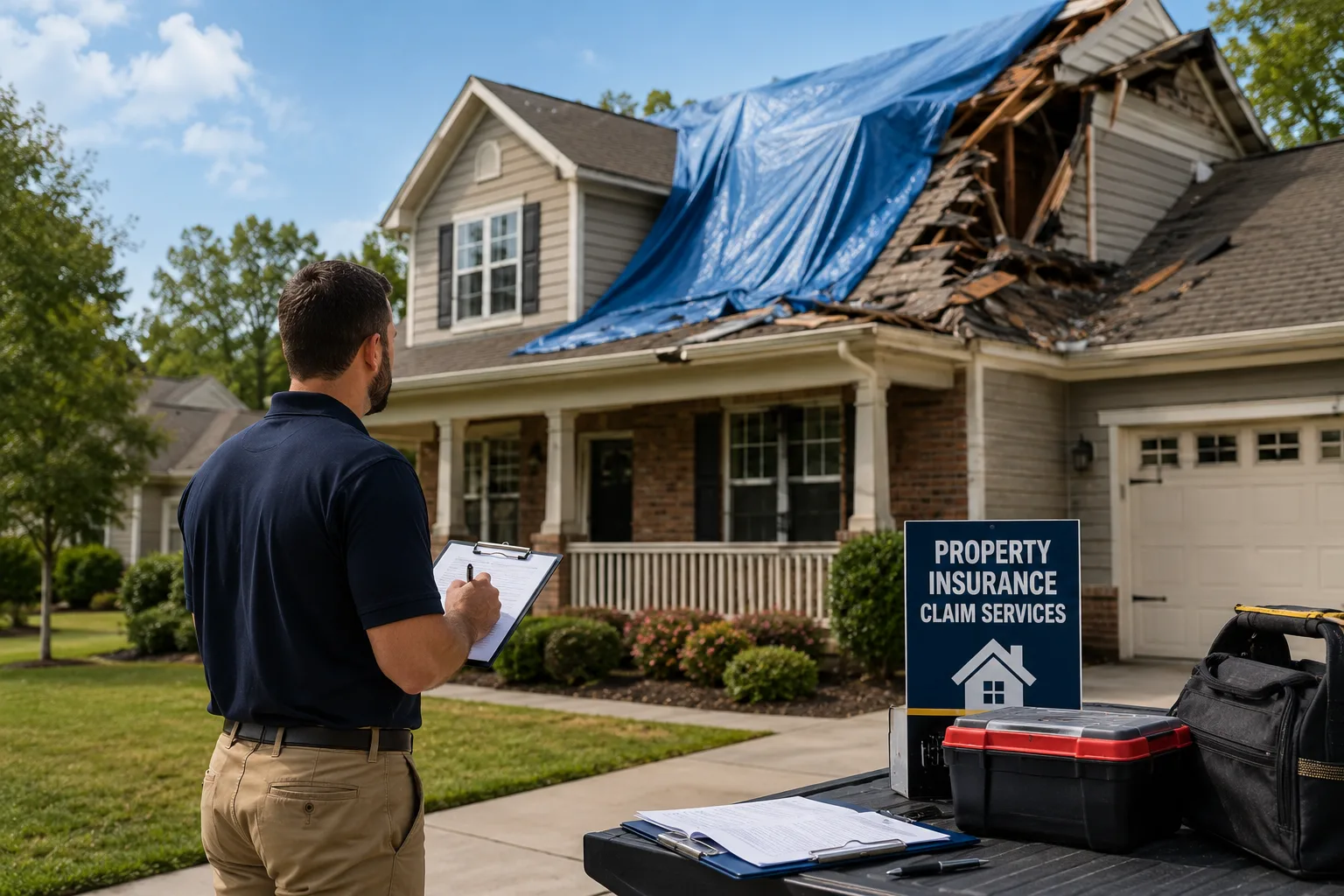
Property damage can happen without warning. A severe storm may damage a roof, a plumbing leak may ruin flooring, or a fire may leave parts of a building unsafe to use. Along with the physical damage, property owners often face another challenge: understanding how to file an insurance claim and what to do next.
For homeowners and business owners in Alabama, the process can feel complicated, especially when repairs involve several parts of a building. There may be photographs to collect, inspections to arrange, documents to submit, and questions about what the insurance policy actually covers.
Understanding how insurance property claims in Alabama work can help you prepare, communicate more clearly with your insurer, and make informed decisions about repairs. While every claim is different, a few practical steps can help you manage the process more confidently.
What Are Insurance Property Claims?
An insurance property claim is a request for payment under an insurance policy after covered damage or loss occurs. Depending on the policy, a claim may involve damage to a home, commercial building, roof, interior finishes, or personal belongings.
Common reasons for filing a property damage claim include:
- Storm and wind damage
- Fire and smoke damage
- Water damage from certain plumbing failures
- Damage caused by fallen trees
- Vandalism or other covered incidents
- Damage to building components following a covered event
However, not every type of property damage is automatically covered. Coverage depends on the wording of the policy, the cause of the damage, applicable exclusions, deductibles, and coverage limits.
For example, a homeowners policy may cover certain sudden and accidental plumbing leaks but exclude damage caused by flooding from rising surface water. Property owners should review their policies carefully rather than assume that all water-related damage is treated the same way.
Common Property Damage Issues in Alabama
Alabama property owners can face several types of damage that require insurance claims and professional repairs.
Storm and Wind Damage
Strong winds, thunderstorms, and tropical weather can damage shingles, flashing, siding, windows, and other exterior components. A damaged roof may also allow rainwater to enter the attic or interior.
After a storm, it is important to document visible damage and check for related problems, such as ceiling stains or wet insulation. Additional damage may become apparent during a closer inspection.
Water Damage
Water damage may result from a burst pipe, a leaking appliance, or another sudden plumbing failure. Depending on the circumstances and policy, some of these incidents may be covered.
Water can spread beneath flooring and inside walls, so the visible damage may not represent the full extent of the problem. A professional assessment can help identify affected materials and determine which repairs are necessary.
Fire and Smoke Damage
Fire can damage structural components, roofing, electrical systems, and interior finishes. Smoke may also affect rooms that were not directly touched by flames.
Depending on the extent of the loss, repairs may involve cleaning, removing damaged materials, replacing building components, and restoring affected areas.
Structural Damage
Some covered events can affect foundations, framing, beams, or other structural components. These problems may require a more detailed inspection before repair work begins.
Identifying the full extent of the damage is important because visible cracks or damaged surfaces may not reveal what has happened beneath them.
What to Do Immediately After Property Damage
The first steps you take after an incident can help protect your property and support your insurance claim.
1. Make Sure the Property Is Safe
Before inspecting the damage, consider whether there are electrical hazards, unstable structures, gas leaks, or other immediate dangers. Keep away from unsafe areas and contact emergency services or qualified professionals when necessary.
2. Document the Damage
Take clear photographs and videos of the affected areas before removing debris or damaged belongings, whenever it is safe to do so.
Make a list of damaged items and building components. Include the date the damage occurred or was discovered, the apparent cause, and any temporary measures taken.
The Alabama Department of Insurance recommends documenting damage and losses before cleanup, then taking reasonable steps to prevent further damage.
3. Prevent Further Damage
Take reasonable emergency measures to protect the property. For example, a temporary roof covering may help prevent more rain from entering through a damaged section.
Only attempt work that can be completed safely. Keep receipts for emergency supplies and temporary repairs, and photograph the work when possible.
4. Contact Your Insurance Company
Notify your insurer or insurance agent promptly and ask how to begin the claim. Record your claim number and keep copies of correspondence, estimates, photographs, and other supporting documents.
Check your policy for reporting requirements and deadlines. Waiting too long may complicate the process.
How the Property Insurance Claims Process Works
Although the details vary, most property insurance claims follow several stages.
Step 1: File the Claim
Provide the insurer with basic information about the incident, including when the damage occurred, where it happened, and what appears to have caused it.
Describe the damage accurately. If the full extent is not yet known, explain what you have observed and arrange for further assessment.
Step 2: Prepare for the Adjuster's Inspection
The insurance company may assign an adjuster to inspect the property and evaluate the reported damage.
Before the inspection, gather your photographs, notes, receipts, and any existing maintenance records that may be relevant. Point out all known affected areas, including damage that may be difficult to see.
Keep your own records of the inspection and any questions that arise.
Step 3: Review the Estimate and Coverage Decision
The insurer will review the available information and determine how the policy applies. The estimate may identify covered repairs, applicable deductibles, depreciation where relevant, and other limits or conditions.
Read the estimate carefully. If a damaged area appears to be missing, or the proposed repair does not address a problem identified during an inspection, ask the insurer for clarification.
Do not assume that every repair recommended by a contractor will automatically be covered. The insurer's obligation depends on the policy and the facts of the loss.
Step 4: Arrange the Necessary Repairs
Once the damage has been assessed, obtain written estimates and determine the work needed to restore the property.
Depending on the incident, repairs may include roofing work, water damage restoration, drywall replacement, structural repairs, or reconstruction.
If additional damage is discovered after the original inspection, document it and contact your insurer before assuming it will be included in the existing estimate. The Alabama Department of Insurance advises policyholders to notify their insurer or adjuster when they find additional damage or have new information about a claim.
Common Mistakes That Can Complicate a Claim
Some avoidable mistakes can make the claims process more difficult.
Delaying the report: Waiting to notify the insurer can complicate the investigation and may conflict with policy requirements.
Discarding damaged materials too soon: Damaged items and building materials may provide useful evidence. Document them and ask the insurer whether an inspection is needed before disposal, where practical.
Ignoring hidden damage: Water may affect insulation, framing, and flooring beneath visible surfaces. A thorough assessment can help identify problems that need attention.
Starting permanent repairs without sufficient documentation: Emergency work may be necessary to protect the property, but document the damage and keep records before permanent repairs begin whenever possible.
Overlooking policy requirements: Deadlines for submitting documents, receipts, or other information can vary. Read your policy and ask your insurer to explain any requirements you do not understand.
How to Choose a Contractor for Insurance-Related Repairs
Selecting the right contractor matters when property damage requires more than a simple repair.
Look for experience with the type of damage affecting your property, whether it involves roofing, water intrusion, fire damage, or structural deterioration.
Request a written estimate that clearly describes the proposed work, materials, costs, and exclusions. Verify applicable credentials and insurance, and ask who will handle permits or inspections if they are required.
A contractor can help assess damage and explain the repairs needed, but the contractor does not determine what your insurance policy covers. Keep communication with the insurer clear, and make sure you understand the estimate and payment arrangements before authorizing substantial work.
Frequently Asked Questions
How long does a property insurance claim take in Alabama?
There is no single timeline for every claim. The time required depends on the extent of the damage, the availability of documentation, the need for inspections, and whether coverage or repair costs are disputed. Widespread storm damage may also delay inspections.
Does homeowners insurance cover storm damage?
Some storm-related damage may be covered, depending on the policy and the cause. Review the policy's covered events, exclusions, deductibles, and limits before assuming a particular repair will be paid for.
What if the adjuster's estimate does not include all the damage?
Document the missing or newly discovered damage and contact your insurer. Provide photographs, contractor estimates, or additional inspection findings when available, and ask how to submit the information for review.
Should I begin repairs before the claim is settled?
Reasonable emergency measures may be necessary to prevent additional damage. For permanent repairs, document the property first when possible and ask your insurer about inspection and documentation requirements. Do not leave the property exposed to further damage while waiting for a decision.
Take a Practical Approach to Property Damage Claims
Dealing with property damage is stressful enough without being unsure about what happens next. Keeping good records, notifying your insurer promptly, understanding your policy, and obtaining a clear assessment of the damage can make the process easier to manage.
For property owners in Alabama, the goal is to understand the damage, follow the policy requirements, and plan repairs based on the property's actual condition. Whether a claim involves storm damage, a plumbing leak, fire damage, or structural concerns, careful documentation and clear communication can help you make informed decisions throughout the process.
Also Read:
Water Damage Restoration in Mobile: What Property Owners Need to Know