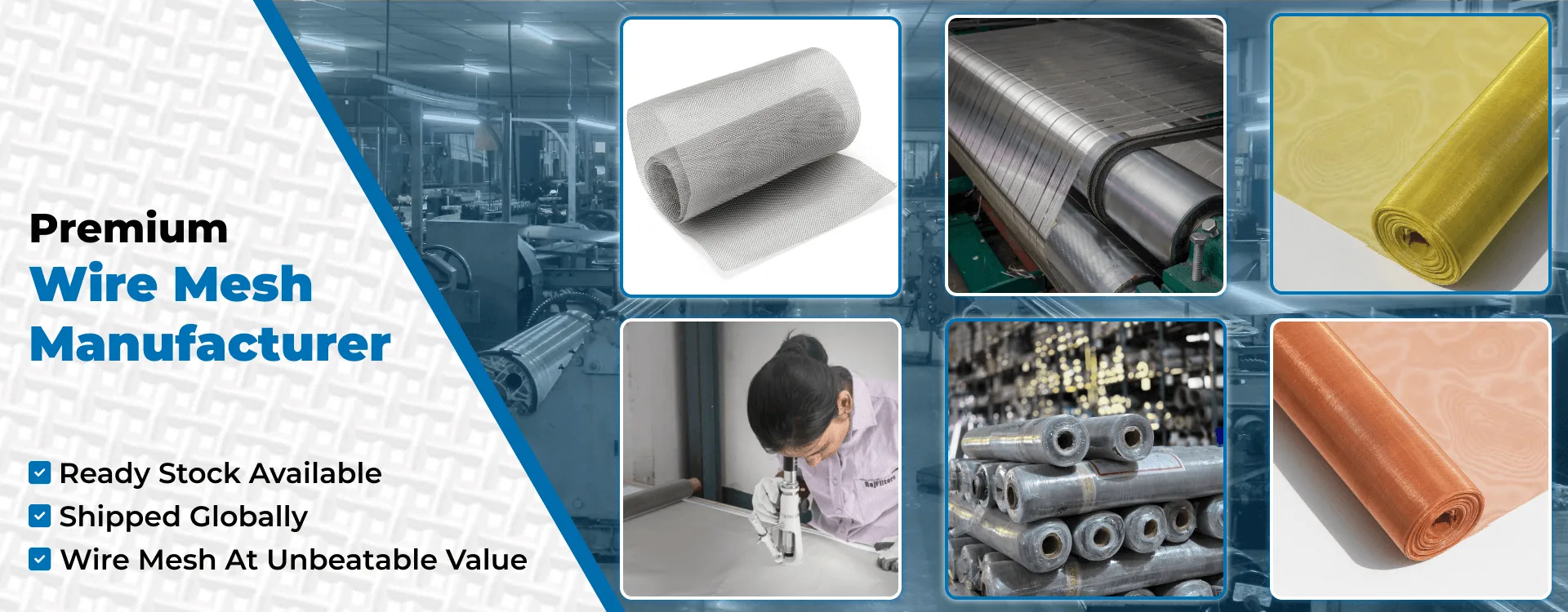
Industrial screening applications require equipment that can deliver consistent separation, high throughput, and reliable performance under demanding operating conditions. A properly designed screening system helps industries remove unwanted particles, separate materials by size, and maintain smooth production processes. This is where Self Cleaning Screen Manufacturers play an important role by providing screening solutions designed to reduce blinding, clogging, and frequent manual cleaning.
Industrial self-cleaning screens are widely used in mining, quarrying, food processing, recycling, aggregate processing, chemical industries, and other manufacturing applications. Their specialized construction allows material to move efficiently across the screening surface while reducing the accumulation of particles.
What Is an Industrial Self Cleaning Screen?
An industrial self-cleaning screen is a screening surface designed to minimize clogging and material buildup during operation. Unlike conventional screens that may require frequent cleaning, self-cleaning designs use specialized wire configurations, openings, and movement to keep the screening surface relatively clear.
These screens can be manufactured according to application requirements, including opening size, wire diameter, material grade, dimensions, and installation method. The right configuration depends on the type of material being screened, particle size, moisture content, and required production capacity.
For industries handling difficult-to-screen materials, self-cleaning screens can help maintain consistent screening efficiency and reduce production interruptions.
Why Choose Self Cleaning Screen Manufacturers?
Working with experienced Self Cleaning Screen Manufacturers is important when screening performance directly affects productivity. A manufacturer can help select the appropriate screen design according to the application instead of offering a one-size-fits-all solution.
Key advantages include:
- Reduced screen blinding and clogging
- Continuous screening performance
- Improved material separation
- Lower manual cleaning requirements
- Durable construction for industrial environments
- Customized dimensions and opening patterns
- Compatibility with different screening machines
- Better operational consistency
A reliable manufacturer also considers factors such as material characteristics, operating conditions, machine specifications, and expected service life before recommending a screen.
Industrial Applications of Self Cleaning Screens
Self-cleaning screens can be used in several industries where efficient particle separation is essential. Mining and quarrying operations use screening systems for aggregates, minerals, stones, and other materials. Recycling facilities use them to separate materials during processing, while food and industrial processing units require specialized screening solutions for controlled separation.
The screen design can be adapted according to the material being processed. For example, wet, sticky, irregular, or fibrous materials may require a different screen configuration than dry and free-flowing materials.
Related Industrial Screening and Conveyor Products
Industrial screening is often part of a larger material handling or processing system. Along with self-cleaning screens, industries may require conveyor belts, perforated sheets, wire mesh, and specialized food-processing belts.
Honeycomb Conveyor Belts
Honey Comb Conveyor Belt Manufacturers provide open-mesh conveyor belts designed for applications requiring airflow, drainage, washing, cooling, or drying. Their open construction can make them suitable for food processing, baking, and industrial conveying applications.
Honeycomb conveyor belts can be manufactured in different sizes and specifications to suit conveyor systems and operating conditions. Proper belt selection depends on load, temperature, speed, product type, and conveyor configuration.
Shale Shaker Screens
In oil and gas drilling operations, Shale shaker screen Manufacturers supply screening components used in shale shaker systems. These screens help separate drilled solids from drilling fluids, supporting the solids-control process.
Screen selection may depend on mesh size, screen type, drilling conditions, fluid characteristics, and equipment specifications. Durable construction is particularly important because shale shaker screens operate under demanding conditions.
Square Hole Perforated Sheets
Square Hole Perforated Sheet Manufacturers produce perforated metal sheets featuring evenly distributed square openings. These sheets can be used for screening, filtration, ventilation, machine guards, partitions, and material separation.
The open area, sheet thickness, hole size, and material can be selected according to the intended application. Stainless steel, mild steel, galvanized steel, and aluminium are among the materials commonly used for perforated sheet applications.
Enrober Belts
Enrober Belts Manufacturers supply conveyor belts designed for chocolate coating and other food-processing applications. Enrober belts need to provide smooth product movement while supporting hygiene, cleaning, and continuous production requirements.
The belt material, mesh pattern, dimensions, and construction should be selected according to the enrobing machine and production environment.
Anti Climb Fencing Mesh
Anti Climb Fencing Mesh Manufacturers provide security mesh solutions designed to make climbing difficult. These fencing systems can be used around industrial facilities, warehouses, infrastructure sites, restricted areas, and commercial properties.
The mesh configuration, wire thickness, height, coating, and panel dimensions can be customized depending on security requirements and installation conditions.
Square Wire Mesh
Square Wire Mesh Manufacturers produce mesh with uniformly arranged square openings. Square wire mesh is used for filtration, screening, sieving, protection, separation, and industrial processing.
The mesh can be manufactured using different materials and wire diameters. Selection should be based on opening requirements, load, corrosion exposure, and the material being screened.
Rectangular Wire Mesh
Rectangular Wire Mesh Manufacturers supply mesh featuring rectangular openings that can provide specific screening and separation characteristics. These meshes are useful where the application requires a particular combination of opening dimensions and material flow.
They can be manufactured in different wire diameters, materials, widths, and lengths to suit industrial screening and filtration requirements.
GI Wire Mesh
GI Wire Mesh Manufacturers produce galvanized iron wire mesh with a protective zinc coating that helps improve resistance to environmental exposure and corrosion.
GI wire mesh is commonly used in fencing, partitions, screening, ventilation, industrial enclosures, and general fabrication applications. The appropriate coating and wire specification should be selected according to the operating environment.
Aluminium Wire Mesh
Aluminium Wire Mesh Manufacturers provide lightweight mesh solutions for applications where low weight, corrosion resistance, and easy handling are important.
Aluminium mesh can be used for filtration, ventilation, screening, protective applications, and architectural requirements. The appropriate alloy, wire diameter, and opening size depend on the application.
Fine Mesh
Fine Mesh Manufacturers specialize in producing mesh with small openings for applications requiring precise separation or filtration. Fine mesh can be used in industries such as pharmaceuticals, chemicals, food processing, filtration, laboratory equipment, and industrial screening.
Fine mesh selection requires careful consideration of particle size, flow characteristics, material compatibility, and required filtration accuracy.
Biscuit Conveyor Belt for Food Processing
A Biscuit Conveyor Belt is an important component in automated bakery production lines. It transports biscuits and other baked products through different stages such as baking, cooling, inspection, coating, and packaging.
The belt needs to provide stable product movement and withstand the operating conditions of the production line. Food-grade materials, suitable mesh construction, dimensional accuracy, and easy cleaning are important considerations when selecting a biscuit conveyor belt.
For high-speed bakery operations, the belt should also be compatible with the conveyor's speed, temperature, tension, and load requirements.
How to Select the Right Industrial Screen?
Choosing the right screen requires more than simply selecting a mesh size. Several technical factors should be evaluated before installation.
1. Material Being Processed
Consider whether the material is dry, wet, sticky, abrasive, heavy, or fibrous. Different materials can require different screen configurations.
2. Opening Size
The opening size determines the approximate particle separation capability of the screen. It should be selected according to the desired screening result.
3. Wire Diameter
Wire diameter affects strength, durability, open area, and screening performance. Heavier applications may require stronger wire construction.
4. Material Grade
The screen material should match the operating environment. Stainless steel may be preferred for corrosion-sensitive or hygienic applications, while galvanized or other materials can be suitable for different industrial conditions.
5. Machine Compatibility
Screen dimensions, mounting method, tensioning arrangement, and overall construction should be compatible with the screening machine.
6. Operating Conditions
Temperature, moisture, abrasion, vibration, production volume, and cleaning requirements should all be considered before finalizing the screen specification.
Benefits of Using Industrial Self Cleaning Screens
Self-cleaning screens can provide several operational advantages when properly selected and installed.
Consistent screening: The self-cleaning action helps maintain open screening areas during operation.
Reduced clogging: Specialized screen configurations can minimize the accumulation of particles within the openings.
Lower maintenance: Reduced buildup can decrease the frequency of manual cleaning and maintenance interruptions.
Improved productivity: Consistent material flow can help support stable production performance.
Long service life: Selecting the correct material and construction for the application can improve durability.
Application flexibility: Self-cleaning screens can be designed for different materials, machines, and screening requirements.
Quality Factors to Consider When Choosing a Manufacturer
Before purchasing industrial screening products, buyers should evaluate the manufacturer's technical capabilities and product quality.
Important factors include:
- Manufacturing experience
- Quality of raw materials
- Dimensional accuracy
- Mesh and opening consistency
- Welding or joining quality
- Product customization capabilities
- Resistance to wear and corrosion
- Machine compatibility
- Quality inspection procedures
- Technical support
A manufacturer capable of understanding the application can provide a more suitable solution than simply supplying a standard screen.
Frequently Asked Questions About Self Cleaning Screens
What is a self-cleaning screen used for?
A self-cleaning screen is used for material separation and screening while helping reduce clogging and blinding of the screening surface. It is suitable for applications involving difficult-to-screen materials.
What industries use self-cleaning screens?
Self-cleaning screens can be used in mining, quarrying, recycling, aggregate processing, food processing, chemical processing, and other industries requiring continuous material separation.
Are self-cleaning screens available in customized sizes?
Yes. Industrial screens can generally be manufactured according to required dimensions, opening sizes, wire diameters, materials, and machine specifications.
How do I select the correct screen mesh?
Selection depends on the material being processed, required separation size, moisture content, abrasiveness, machine configuration, production capacity, and operating conditions.
What is the difference between square and rectangular wire mesh?
Square wire mesh has equal opening dimensions, while rectangular wire mesh has different opening dimensions in the two directions. The appropriate option depends on the required screening and material-flow characteristics.
Conclusion
Industrial screening systems require reliable components that can deliver consistent performance under demanding production conditions. Self Cleaning Screen Manufacturers help industries address problems such as screen clogging, material buildup, inconsistent separation, and frequent cleaning requirements.
Along with self-cleaning screens, specialized products such as Honey Comb Conveyor Belt Manufacturers, Shale shaker screen Manufacturers, Square Hole Perforated Sheet Manufacturers, Enrober Belts Manufacturers, Anti Climb Fencing Mesh Manufacturers, Square Wire Mesh Manufacturers, Rectangular Wire Mesh Manufacturers, GI Wire Mesh Manufacturers, Aluminium Wire Mesh Manufacturers, and Fine Mesh Manufacturers support a wide range of industrial screening, filtration, conveying, security, and processing applications.
Whether the requirement is an industrial screening solution, a Biscuit Conveyor Belt, or a customized wire mesh product, selecting the right specifications and a technically capable manufacturer is essential for achieving reliable performance, durability, and efficient operation.