Industrial systems depend heavily on reliable flow control solutions to maintain efficiency, safety, and operational stability. One of the most important factors influencing the performance of these systems is the quality of valves used within pipelines, automation systems, and industrial machinery. This is why choosing an experienced valve manufacturer plays a critical role in industrial success.
Modern industries require valves capable of handling high pressure, temperature variations, corrosive fluids, and continuous operational demands. Industries such as manufacturing, oil and gas, water treatment, pharmaceuticals, chemical processing, food production, and automation systems rely on high-quality valve solutions to maintain smooth and efficient operations.
An experienced valve manufacturer helps industries improve productivity, reduce maintenance problems, and maintain long-term operational reliability through advanced engineering and quality manufacturing standards.
Importance of Valves in Industrial Systems
Valves are essential components used to regulate, control, or stop the flow of liquids, gases, steam, and other media within industrial systems.
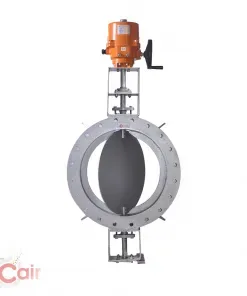
They help maintain proper pressure, direction, and flow control within pipelines and automated production systems. Different types of valves are used depending on industrial application requirements, including ball valves, butterfly valves, gate valves, control valves, and pneumatic valves.
Proper valve performance directly affects operational efficiency, safety, and system reliability.
This makes valve quality and manufacturing precision extremely important for modern industries.
Role of an Experienced Valve Manufacturer
An experienced valve manufacturer provides more than just industrial products. They contribute to operational efficiency by delivering reliable engineering solutions designed for demanding industrial environments.
Experienced manufacturers understand the challenges industries face regarding pressure handling, chemical exposure, temperature resistance, and automation compatibility.
Some important advantages of choosing an experienced manufacturer include:
- High-quality engineering and manufacturing standards
- Better product durability and operational reliability
- Improved technical support and product performance
These advantages help industries maintain stable operations and reduce operational risks.
Improved Product Quality and Reliability
One of the biggest industrial benefits of working with an experienced valve manufacturer is improved product quality.
High-quality valves are manufactured using durable materials, precision machining, and advanced testing procedures. Reliable manufacturing standards help improve sealing performance, pressure resistance, and operational stability.
Industries using high-quality valves benefit from smoother system operation and reduced leakage risks.
Reliable valve performance also contributes directly to better workplace safety and long-term operational continuity.
Reduced Maintenance and Downtime
Industrial downtime can significantly affect productivity and increase operational costs.
Experienced valve manufacturers design products that support long-term operation with minimal wear and maintenance requirements. Durable valve construction helps reduce the chances of unexpected failures and operational interruptions.
Routine inspections and proper maintenance are generally enough to maintain efficient valve performance over long periods.
Reduced maintenance needs help industries lower servicing expenses while improving production continuity.
Reliable industrial systems are essential for maintaining stable and profitable operations.
Support for Industrial Automation
Modern industries are increasingly focusing on automation and smart manufacturing systems.
Experienced valve manufacturers develop products compatible with pneumatic, electric, and automated control systems. Automation-ready valves help industries improve process accuracy, operational efficiency, and machine coordination.
Automated valve systems also reduce manual intervention and improve workplace safety.
Industries investing in automation benefit greatly from manufacturers capable of providing advanced and technologically compatible valve solutions.
This support for automation is becoming increasingly important in modern industrial infrastructure.
Applications Across Multiple Industries
Valves manufactured by experienced companies are widely used across different industrial sectors because of their versatility and reliability.
Water treatment industries use industrial valves for flow regulation and filtration systems. Oil and gas industries depend on durable valves for high-pressure pipeline operations.
Chemical industries require corrosion-resistant valves capable of handling aggressive substances safely. Food processing and pharmaceutical industries also rely on hygienic valve systems for accurate and contamination-free operations.
Manufacturing plants and automation systems commonly use industrial valves for process control and machine coordination.
Their wide industrial applications highlight the importance of reliable manufacturing quality.
Energy Efficiency and Sustainable Operations
Modern industries continue focusing on energy-efficient systems and environmentally responsible operations.
High-quality valves help industries improve flow management and reduce unnecessary pressure loss within pipelines and automation systems.
Efficient valve operation improves resource utilization and helps lower energy consumption within industrial facilities.
Reliable sealing systems also reduce leakage and material wastage, supporting sustainable industrial practices.
As industries continue prioritizing sustainability, experienced valve manufacturers play an important role in supporting environmentally efficient operations.
Importance of Engineering and Innovation
Industrial technology continues evolving with advancements in automation, digital monitoring, and intelligent manufacturing systems.
Experienced valve manufacturers invest in research, engineering improvements, and advanced production technologies to meet changing industrial requirements.
Modern valve designs now include improved sealing systems, automation compatibility, corrosion resistance, and smart monitoring features.
These innovations help industries improve operational efficiency and maintain reliable long-term performance.
Companies like Airmax Pneumatics Ltd contribute to industrial flow control solutions by supporting advanced valve technologies designed for modern industrial applications.
Future of Valve Manufacturing
The future of valve manufacturing looks highly promising as industries continue investing in smart infrastructure and advanced automation systems.
Modern manufacturing technologies are improving product precision, durability, and automation integration capabilities. Smart valves equipped with digital monitoring systems and predictive maintenance technologies are becoming increasingly common.
Experienced manufacturers are expected to play a major role in developing intelligent valve solutions for future industrial systems.
As industrial operations continue evolving, reliable valve manufacturing will remain essential for maintaining efficient and safe production environments.
Conclusion
Choosing an experienced valve manufacturer provides several important industrial benefits, including improved product quality, reliable performance, reduced downtime, and better automation support.
High-quality valves help industries maintain safe, efficient, and productive operations across multiple industrial sectors. From water treatment and oil and gas to pharmaceuticals and manufacturing systems, reliable valve solutions continue to support modern industrial growth.
As industries continue focusing on automation, sustainability, and operational efficiency, experienced valve manufacturers will remain essential partners for future industrial success.