Modern industrial automation systems require reliable motion control solutions that can deliver speed, precision, and long-term operational efficiency. One of the most important components supporting these systems is the aluminium pneumatic cylinder. These cylinders are widely used in automated machinery because they provide smooth linear motion using compressed air while maintaining lightweight and durable construction.
Industries such as manufacturing, packaging, automotive, food processing, pharmaceuticals, textile production, and industrial automation depend heavily on pneumatic cylinders for efficient machine operations.
Aluminium pneumatic cylinders are becoming increasingly popular because they offer excellent strength, corrosion resistance, and operational reliability while reducing overall machine weight. Their growing role in modern industrial systems highlights their importance in improving automation performance and production efficiency.
Understanding Aluminium Pneumatic Cylinders
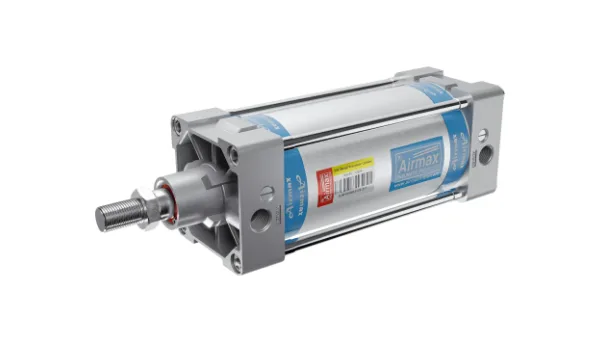
An aluminium pneumatic cylinder is a mechanical device designed to generate linear motion using compressed air. The cylinder converts pneumatic energy into mechanical movement that helps operate machinery and automated systems.
The aluminium body provides lightweight strength while maintaining durability under industrial operating conditions. Pneumatic cylinders consist of internal pistons, seals, rods, and compressed air chambers that work together to create controlled movement.
Their compact design and efficient operation make them highly suitable for industrial automation systems requiring repetitive and accurate motion control.
Importance in Industrial Automation
Industrial automation systems rely heavily on accurate and efficient motion control to maintain productivity and process stability.
Aluminium pneumatic cylinders help automate machinery by providing fast and controlled linear movement. Their quick response and smooth operation improve machine coordination and production speed within automated systems.
Some important automation advantages include:
- Fast and accurate motion control
- Smooth machine operation with reduced mechanical stress
- Improved productivity and automation efficiency
These benefits help industries maintain stable and reliable manufacturing operations.
Lightweight and Durable Construction
One of the biggest advantages of aluminium pneumatic cylinders is their lightweight yet strong construction.
Aluminium material significantly reduces the overall weight of machinery compared to heavier steel alternatives. This lightweight design improves machine efficiency and makes installation easier.
At the same time, aluminium offers excellent strength and durability for demanding industrial environments.
The corrosion-resistant properties of aluminium also help improve operational lifespan and reduce maintenance requirements.
This balance of lightweight performance and durability makes aluminium pneumatic cylinders highly valuable in modern industrial systems.
Applications Across Multiple Industries
Aluminium pneumatic cylinders are widely used across different industrial sectors because of their versatility and dependable performance.
Manufacturing industries use pneumatic cylinders in automated production lines and assembly systems. Packaging industries depend on them for conveyor systems, sorting equipment, and automated packaging machines.
Automotive industries use pneumatic cylinders in robotic systems and material handling operations. Food processing and pharmaceutical industries also rely on pneumatic automation because it supports clean and efficient machine movement.
Textile and printing industries commonly use aluminium pneumatic cylinders for precision motion control applications.
Their broad industrial applications make them essential components in modern automation systems.
Improved Operational Efficiency
Efficient industrial systems require components capable of maintaining smooth and reliable operation over long periods.
Aluminium pneumatic cylinders help improve operational efficiency by providing accurate and consistent motion control within automated machinery.
Their lightweight design reduces mechanical load on equipment, improving machine speed and overall system performance.
Reliable cylinder operation also helps minimize production interruptions and maintain continuous manufacturing processes.
Improved operational efficiency contributes directly to higher productivity and reduced operational costs.
Reduced Maintenance and Downtime
Maintenance efficiency is extremely important for industries aiming to improve production continuity and reduce servicing expenses.
Aluminium pneumatic cylinders are designed with durable materials and precision engineering that support long-term operation with minimal wear.
Corrosion resistance and reliable sealing systems help reduce leakage and operational failures. Routine inspection and proper lubrication are generally sufficient to maintain efficient performance over long operating periods.
Reduced maintenance requirements help industries lower downtime and improve overall productivity.
This reliability is especially valuable in high-speed automated manufacturing systems.
Energy Efficiency and Sustainable Operations
Modern industries continue focusing on energy-efficient systems and sustainable industrial operations.
Pneumatic systems using aluminium cylinders help optimize compressed air usage and improve machine efficiency. Lightweight construction also reduces energy consumption during machine movement and automation processes.
Efficient pneumatic automation supports lower operational costs and better resource utilization.
Sustainable industrial systems benefit greatly from components that combine performance, durability, and energy efficiency.
As industries continue investing in environmentally responsible operations, aluminium pneumatic cylinders are expected to play an increasingly important role.
Importance of Quality Manufacturing
The performance and durability of aluminium pneumatic cylinders depend heavily on material quality, engineering precision, and manufacturing standards.
High-quality cylinders provide smoother motion control, better pressure handling capability, and improved sealing performance. Precision engineering also helps maintain stable operation under demanding industrial conditions.
Industries often prefer products manufactured under strict quality control systems because reliable components improve automation efficiency and workplace safety.
Companies like Airmax Pneumatics Ltd contribute to industrial automation solutions by supporting high-quality pneumatic cylinder technologies designed for modern industrial applications.
Future of Aluminium Pneumatic Cylinder Technology
The future of aluminium pneumatic cylinder technology looks highly promising as industries continue adopting advanced automation systems and smart manufacturing technologies.
Modern pneumatic cylinders are being developed with improved sealing systems, lightweight materials, and advanced automation compatibility.
Integration with smart monitoring systems and predictive maintenance technologies is helping industries improve machine reliability and reduce unexpected downtime.
As industrial automation continues evolving, aluminium pneumatic cylinders are expected to remain essential components for future manufacturing and motion control systems.
Conclusion
High-performance aluminium pneumatic cylinders provide several important industrial advantages, including lightweight durability, efficient motion control, reduced maintenance requirements, and improved automation performance.
Their ability to support reliable and energy-efficient industrial operations makes them highly valuable across different industries. From manufacturing and packaging to automotive and pharmaceutical applications, aluminium pneumatic cylinders continue to improve productivity and operational stability.
As industries continue focusing on automation, sustainability, and operational efficiency, aluminium pneumatic cylinder technology is expected to remain a key part of future industrial infrastructure.