
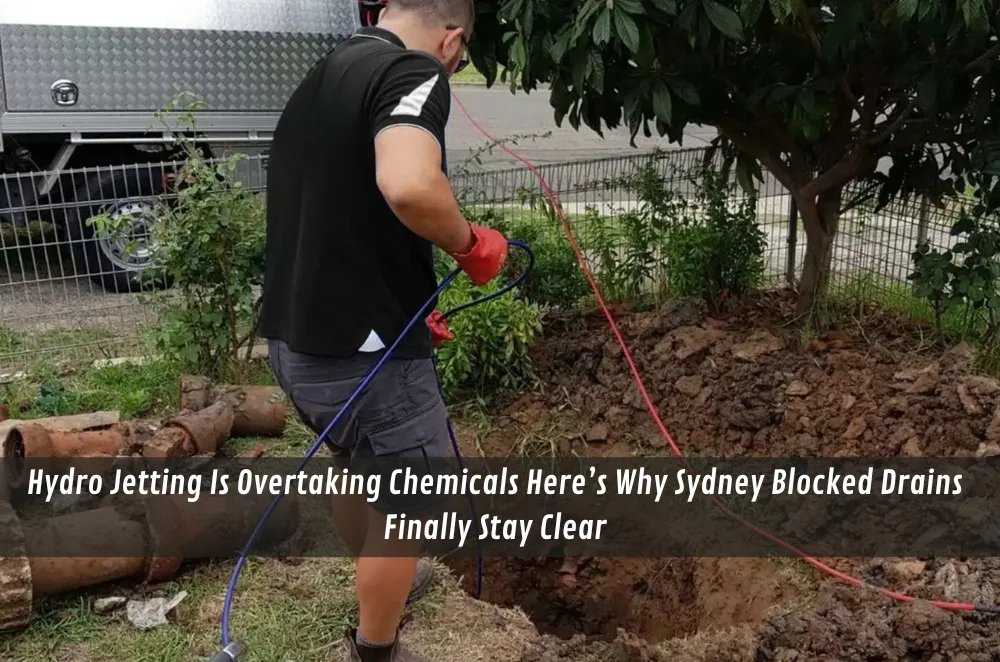
Sydney’s older clay and terracotta lines, the humid summers that accelerate fat build-up, and a citywide love affair with mature street trees all conspire to produce one headache: drains that never seem to stay clear for long. Homeowners reach for a supermarket gel, watch the water swirl away, and breathe a short-lived sigh of relief. Two weeks later, the gurgle is back.
Early in that cycle is the moment to lean on genuinely effective blocked drain cleaning tips that remove the obstruction and the cause in one sweep, instead of pushing a caustic cocktail further down the pipe.
Small Clogs vs Sneaky Blockages
Old Sydney terraces often sit on a jumble of mixed-age plumbing. A hairball near the bathroom trap looks like an isolated issue until you realise soap scum upstream has narrowed the pipe to half its diameter. Kitchen grease behaves the same way: it cools, sticks, then collects breadcrumbs of food waste until the whole line resembles an artery post-Christmas lunch.
Mix in tree roots sniffing out condensation around pipe joints and you have a recurring pattern:
- Water slows.
- DIY chemicals burn a hole through the softest section.
- Flow returns but roots, fats or soap rebuild around the chemical cavity.
It’s a patch, not a repair — and repeat patches cost more than one decisive fix.
Why Hydro Jetting Has Become the Go-To in Sydney
Hydro jetting isn’t new, but the rigs have become lighter and pressure-regulated nozzles now match pipe materials rather than blasting indiscriminately. That matters for the mix of PVC extensions, cast-iron stubs and 70-year-old clay you’ll find under many Federation cottages.
The process fires a spinning jet of water up to 5,000 psi backwards from the nozzle, propelling it forward while scouring the internal wall. Unlike chemicals that rely on heat and corrosion, hydro jetting:
- Works through standing water, so there’s no need to empty a full basin.
- Clears the full circumference, meaning fats, roots and scale lose every foothold.
- Takes one visit to restore original diameter, reducing call-backs.
Sydney plumbers also favour it because the wastewater, once filtered, can be safely discharged without breaching council trade waste rules that limit chemical oxygen demand. In short: fewer environmental headaches, fewer re-blockages.
When a Camera Inspection Saves the Day
Most reputable contractors now pair hydro jetting with a push camera. The CCTV footage tells you if the obstruction is loose build-up or a cracked collar that needs relining. It also shows whether the jet actually cleared the bend instead of simply carving a narrow trench.
If you want a deeper dive into the diagnostic side, this efficient blocked drain cleaning guide walks through common Sydney pipe materials and what each one reveals on camera.
What the Lens Often Finds
Visual SignLikely CulpritBest Next StepFine hair-like strands waving in flowEarly tree-root intrusionMechanical root-cut then hydro jetThick white coatingFats, oils, grease (FOG)Hot-water flush then hydro jetOval or flattened pipeGround movementStructural relining, not just jettingReceding puddle after jetHidden low point (belly)Pipe levelling or sectional replacementA quick replay of the footage at the end of the job is cheap insurance: you see the pipe walls shine again, and you hold a reference file if future works disturb the same line.
Red Flags Homeowners Still Miss
- A bath that drains fine until the washing machine spins — the main line could be pinched where it meets the branch.
- Repeated toilet slowdowns after heavy rain — stormwater may be sneaking into the sewer, adding silt each time.
- Fruit-fly bursts around the kitchen sink — indicates organic sludge is clinging beyond the trap, not inside it.
Spotting these patterns early beats reaching robotically for bleach. Hydro jetting is fast, but timing still matters. The longer sludge sits, the harder it calcifies.
Choosing a Method That Matches Your Pipes
Chemical crystals marketed as “professional strength” promise convenience, yet they etch the inner glaze of old vitrified clay. That rough surface then grips every future deposit. Hydro jetting avoids that cycle, but it isn’t a one-size-fits-all hammer either. Pressure, nozzle angle and flow rate must be tuned to pipe age and diameter; that’s why licenced techs hold back from full throttle until the CCTV confirms no fragile joins lie ahead.
For homeowners wanting proof beyond salesman talk, the NSW EPA advice on preventing sewer overflows highlights how fat and root accumulation strain public mains once they pass your boundary trap. Clearing your section properly helps the whole network, not just your ensuite.
Quick Checklist Before You Book
- Ask if the plumber provides before-and-after camera footage.
- Confirm the jetting unit has variable pressure settings, not just a single blast mode.
- Check whether they recycle or correctly dispose of the jetting wash-water.
- Discuss a preventative maintenance schedule; high-risk lines may justify a yearly skim rather than a five-year emergency.
Putting It All Together
Blocked drains feel like simple nuisances until repeat call-outs drain your weekend and your budget. Hydro jetting, paired with a camera inspection, removes the buildup you see and the seed of the next clog you don’t. Chemicals have their spot for a quick cosmetic win, but in 2026 Sydney’s tighter environmental codes and older pipe stock both point toward water-driven cleaning done with a surgeon’s eye, not a sledgehammer. Clear once, confirm on video, and get back to something more interesting than watching water levels rise.