
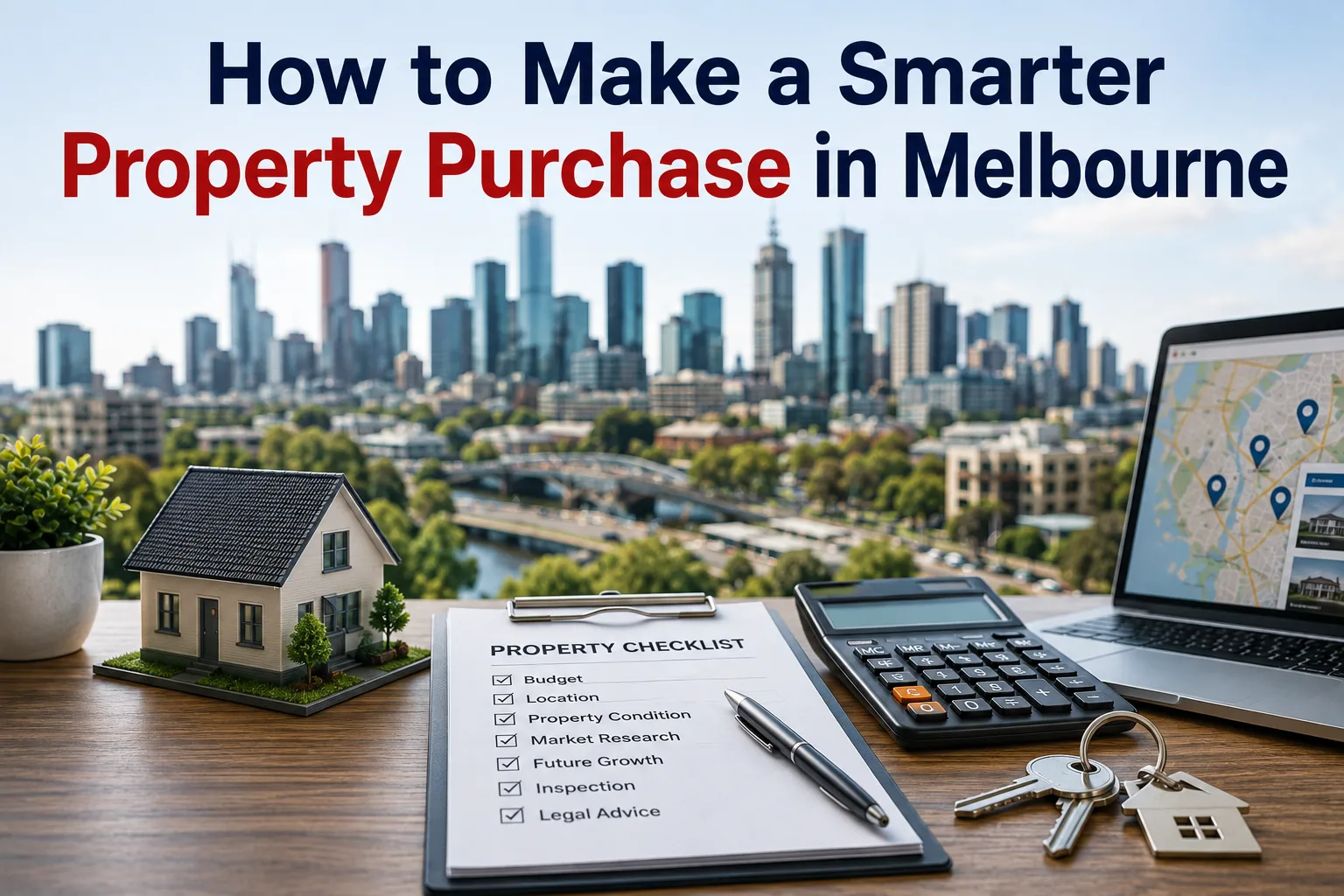
Buying property in Melbourne is a major financial decision, whether you are purchasing your first home, upgrading to a larger property, downsizing or building an investment portfolio. With different suburbs, property types, price points and local market conditions to consider, finding the right property can take considerable time and research.
A successful purchase is not simply about finding a home that looks appealing. Buyers also need to consider location, future needs, property condition, comparable sales, contract terms and the overall suitability of the property for their circumstances.
Taking a structured approach can help Melbourne buyers make more confident decisions and avoid some of the common frustrations associated with property hunting.
Start With a Realistic Budget
Before inspecting properties, establish a realistic purchasing budget. Knowing how much you can comfortably spend gives you a clear framework when searching for suitable homes.
Your budget should account for more than the advertised property price. Depending on your circumstances, additional expenses may include conveyancing, inspections, loan-related costs, moving expenses, insurance, rates and other purchase-related charges.
It is also sensible to consider ongoing ownership costs. A property that fits within the purchase budget may still be expensive to maintain if it requires significant repairs, has high ongoing expenses or includes features that require considerable upkeep.
Having a clear financial limit can help prevent emotional decisions during competitive negotiations.
Research Melbourne Suburbs Carefully
Melbourne offers a wide variety of suburbs, each with its own characteristics. A location that suits one buyer may not necessarily suit another.
Consider factors such as:
- Distance from work or study
- Public transport options
- Road access and commuting times
- Schools and childcare facilities
- Shops and supermarkets
- Parks and recreational areas
- Healthcare services
- Local development
- Neighbourhood character
It is worth visiting a suburb at different times of day. A street can feel very different during a weekday morning, afternoon school period or weekend evening.
Online research is useful, but seeing the area in person can provide a better understanding of traffic, noise, parking and general surroundings.
Look Beyond the Presentation
Property marketing is designed to showcase a home at its best. Professional photography, styling and carefully selected descriptions can make a property particularly appealing.
However, buyers should look beyond presentation.
During an inspection, pay attention to the property's overall condition. Check walls, ceilings, floors, windows, doors and visible plumbing fixtures. Look for signs that may indicate moisture problems, deterioration or deferred maintenance.
For houses, examine outdoor areas, fencing, drainage and landscaping where possible. For apartments and townhouses, consider common areas and the general condition of the building.
A visually attractive property can still require significant work, so an objective assessment is important.
Understand the Local Market
Property prices can vary significantly between Melbourne suburbs and even between streets within the same suburb.
Researching comparable properties can help you understand whether an asking price appears reasonable. Look at homes with similar characteristics, including property type, land size, condition, location and features.
Recent comparable sales can provide more useful information than simply looking at current listings. A property advertised at a particular price does not necessarily sell for that amount.
Understanding local market activity can also help buyers approach negotiations with realistic expectations.
Consider Your Long-Term Needs
A property should work for your lifestyle, not just your current circumstances.
If you are buying a home, consider how your needs could change over the next several years. You may need additional bedrooms, a home office, outdoor space or better access to transport.
Investors should consider different factors, including rental demand, property appeal, vacancy considerations and potential ongoing costs.
Thinking about the future before purchasing can reduce the risk of outgrowing the property or discovering that its location does not support your longer-term plans.
Get Professional Advice Where Appropriate
Property transactions involve financial, legal and practical considerations. Depending on the purchase, professional advice can provide valuable assistance.
A conveyancer or solicitor can review the legal aspects of a transaction, while qualified building inspectors can assess the physical condition of a property.
Some buyers also choose to work with a property professional who can assist with searching, evaluating and negotiating on their behalf. For buyers who have limited time or are unfamiliar with the Melbourne market, working with a buyers agent in Melbourne can provide a more structured approach to the property search.
The right professional support depends on the buyer's circumstances and the type of property being purchased.
Do Not Skip Property Inspections
A property inspection can reveal issues that are difficult to identify during a standard open home.
Depending on the property, buyers may consider obtaining building and pest inspections before proceeding. The appropriate inspection will depend on the type, age and location of the property.
For established homes, an inspection may identify concerns involving roofing, moisture, structural elements, plumbing or other areas requiring attention.
For apartments, buyers should also consider the broader building and owners corporation context where relevant.
Understanding potential problems before committing to a purchase can help buyers make better-informed decisions.
Review the Contract Carefully
The contract of sale contains important legal and financial information. Buyers should not rely solely on the agent's verbal explanation of a property or transaction.
Have the contract reviewed by an appropriately qualified legal professional who can explain relevant conditions and obligations.
Pay attention to important details such as settlement arrangements, inclusions, special conditions and any other terms that may affect the purchase.
Understanding the contract before making a commitment can reduce the possibility of unpleasant surprises later.
Keep Emotions Under Control
Buying a home can be emotional, particularly when a property appears to match everything you have been looking for.
However, emotional decisions can lead to overspending or overlooking potential problems. Before becoming attached to a property, establish clear criteria for what you need and what you are willing to compromise on.
If a property does not meet important requirements, walking away can sometimes be the better decision.
A competitive market can create pressure, but buyers should still make decisions based on their financial position and long-term objectives.
Be Prepared for Negotiations
Negotiation is an important part of many property purchases. Preparation can make the process more manageable.
Research comparable sales, understand your maximum budget and identify the features that matter most to you. If you are purchasing at auction, understand the process beforehand and establish your limits before bidding.
Avoid increasing your budget simply because you become emotionally invested in a particular property.
Having a clear strategy can help you remain focused when negotiations become competitive.
Think About More Than the Purchase Price
The cheapest property is not always the most economical option in the long term. A lower purchase price may come with renovation requirements, expensive maintenance or a location that does not suit your needs.
Similarly, paying more for a property does not automatically make it a better investment or home.
Consider the complete picture, including condition, location, ongoing costs, future usability and potential resale appeal.
Take Your Time When Possible
The Melbourne property market can move quickly, but rushing into a purchase without adequate research can create unnecessary risks.
Create a shortlist of suitable suburbs and property types, attend inspections, compare options and ask questions. Keeping organised notes can help you compare properties objectively after several inspections.
If a property does not feel right after proper consideration, there will be other opportunities.
Making a Confident Property Decision
A successful property purchase begins with preparation. Establish a realistic budget, research Melbourne suburbs, investigate property condition, understand comparable sales and seek appropriate professional advice.
Most importantly, focus on what makes a property suitable for your circumstances rather than being influenced solely by presentation or market pressure.
With careful research and a clear purchasing strategy, Melbourne buyers can approach the property market with greater confidence and make decisions that support their financial and lifestyle goals for years to come.