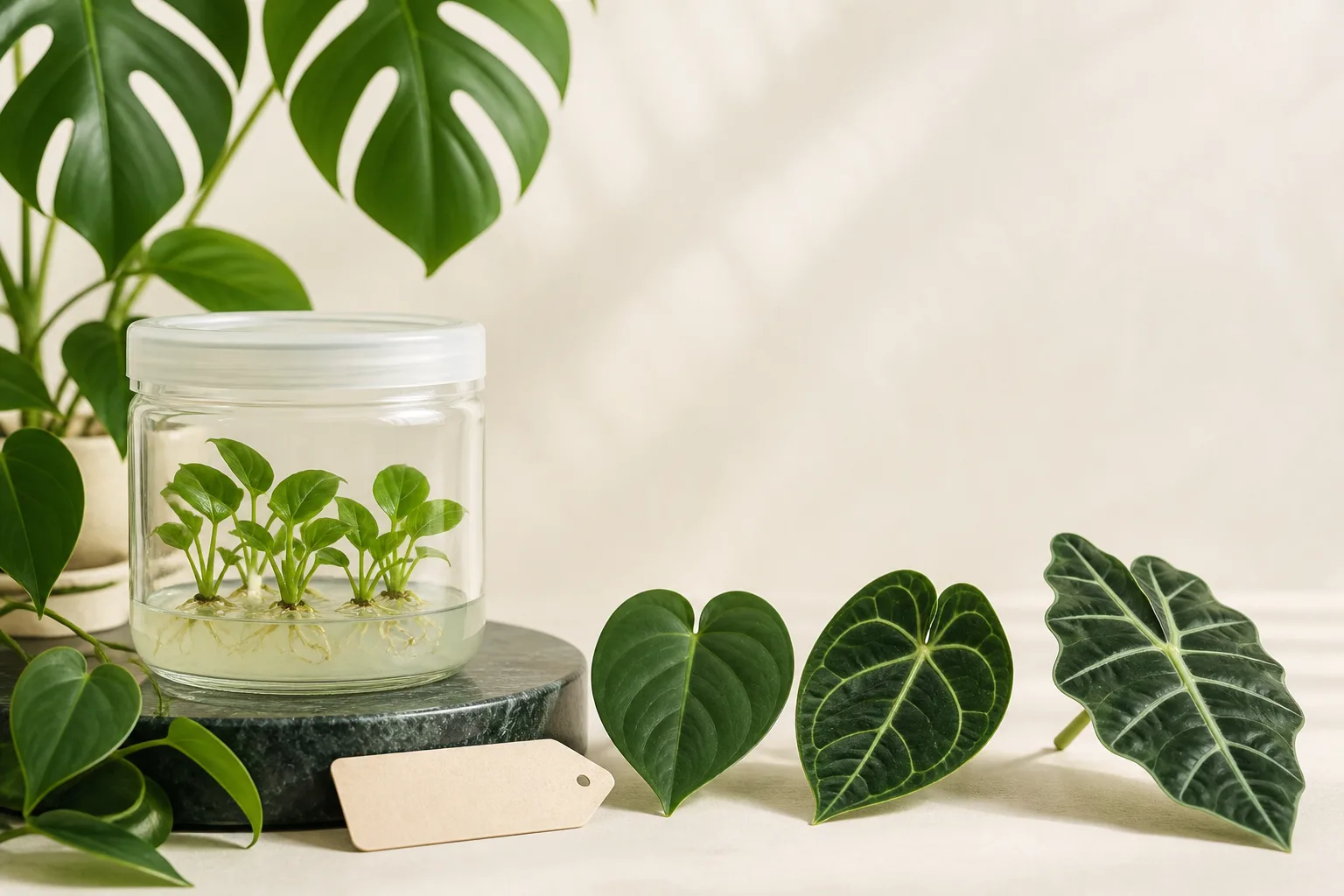
Choosing the right plants for a nursery or greenhouse involves more than selecting a desirable variety. Plant size, development stage, growing requirements, and intended use can all influence whether a particular batch fits the needs of a commercial operation.
When comparing Tissue Culture Plants for Sale, buyers should look at both the characteristics of individual varieties and the size or growth stage of the plants being offered. Young Plants provides an example of the type of supplier buyers may evaluate when sourcing tissue culture material for commercial cultivation.
Understand What Plant Size Means
Plant size can refer to several different characteristics. Depending on the supplier, it may describe the overall height, number of leaves, root development, container size, or stage of acclimatization.
For this reason, buyers should not compare sizes based only on a single measurement. Ask the supplier to explain exactly how plant size is classified before making a purchasing decision.
Compare Plants at the Same Development Stage
A meaningful comparison should involve plants at similar stages of development.
For example, comparing newly acclimatized plantlets with more established nursery plants may not provide useful information. Differences in age, growing conditions, and acclimatization stage can affect apparent size.
Request details about the production stage for each option being considered.
Check Root Development
Root development is an important consideration when comparing tissue culture plants.
Ask whether the plants have developed an established root system and whether they have already undergone acclimatization. Root condition can influence how plants transition into greenhouse or nursery environments.
Look at Leaf Development
Leaf number and appearance can provide additional information about plant development.
However, leaf size and shape naturally vary between species and cultivars. Instead of assuming that a plant with larger leaves is always more developed, compare plants within the same variety and production stage.
Compare Varieties Separately
Plant size and plant variety should be considered as two separate factors.
Different cultivars may naturally have different growth habits, leaf shapes, internode lengths, and development rates. A smaller-looking plant is not necessarily inferior if it belongs to a variety with different natural characteristics.
Review the Growth Characteristics of Each Variety
Before ordering, research the normal growth characteristics of the varieties under consideration.
Consider factors such as:
- Mature plant size
- Growth rate
- Growth habit
- Light requirements
- Temperature preferences
- Humidity requirements
- Water requirements
- Production cycle
- Intended market or application
These details help buyers determine whether a particular variety fits their cultivation system.
Match Plant Size to Your Production Stage
The ideal starting size depends on the grower's facilities and production plan.
A nursery with dedicated acclimatization space may prefer smaller plantlets that can be developed internally. Another operation may want more established plants that can move into the next production stage more quickly.
The best comparison therefore depends on the buyer's own growing system.
Consider Greenhouse Space
Plant size affects how many plants can initially be accommodated within a given area.
Smaller plants may require less space during the early stages, while larger plants may need wider spacing to maintain good air circulation and allow sufficient light exposure.
Plan the available growing area before deciding which size is appropriate.
Evaluate Uniformity Within the Batch
Uniformity can be particularly important for commercial production.
When comparing suppliers or plant sizes, ask about expected consistency within the batch. Plants with similar developmental stages can make scheduling, spacing, irrigation, and other routine operations easier to manage.
Ask About Plant Age
Age can provide useful context when comparing plants, but it should not be considered independently.
Two plants of the same age may have different sizes because of their varieties, growing conditions, or development stages. Ask how the supplier defines plant age and how it relates to the listed plant size.
Check Container or Tray Information
The container or tray used for plants can affect how their size is presented.
Ask whether the quoted size refers to the plant itself or the container system. If you are comparing different suppliers, request comparable information so that the options can be evaluated consistently.
Compare Acclimatization Stages
Tissue culture plants can be supplied at different stages of transition from controlled laboratory conditions to greenhouse production.
Some plants may be newly transferred to an acclimatization environment, while others may have completed a substantial portion of this process. These differences can affect handling requirements and initial space planning.
Consider Your Intended Growing Environment
Different varieties may respond differently to greenhouse conditions.
Before purchasing, compare the supplier's cultivation recommendations with your own temperature, humidity, light, irrigation, and ventilation capabilities. A variety should be evaluated according to whether your facility can provide suitable conditions.
Consider the Final Market
The purpose of the crop should also influence the comparison.
Plants intended for ornamental sales may be selected according to appearance and growth habit, while commercial fruit or specialty crop production may place greater emphasis on cultivar characteristics, production cycles, and expected plant performance under suitable conditions.
Compare Quantity Requirements
The quantity you need can influence which plant size and variety combination makes sense.
For small trial orders, growers may choose to test several varieties or sizes before committing to larger quantities. For commercial production, consistency and reliable supply may become more important considerations.
Ask About Minimum Order Quantities
Suppliers may have different minimum order requirements for specific varieties or plant sizes.
Knowing these requirements in advance helps buyers compare suppliers realistically. A variety may appear suitable but become less practical if the required order quantity does not match the nursery's production plan.
Review Availability by Variety
Not every variety may be available at the same time.
Production schedules can differ according to cultivar, demand, propagation cycles, and supplier inventory. Ask for current availability rather than assuming that every listed variety can be shipped immediately.
Compare Specifications in a Simple Table
For larger purchasing decisions, organize the information in a comparison table.
Useful columns may include:
FactorVariety AVariety BVariety CPlant size———Development stage———Root condition———Growth habit———Recommended environment———Minimum order———Availability———This makes it easier to identify differences without relying on memory or isolated product descriptions.
Ask for Current Plant Photos
Photos can provide helpful visual information, particularly when plant size is an important purchasing factor.
Ask whether the supplier can provide recent images of the actual plant stage or representative batches. If possible, request photographs that include a reference for scale.
Request Technical Specifications
Product descriptions may not contain enough information for commercial buyers.
Ask suppliers for details such as plant stage, approximate size, container or tray specifications, acclimatization status, recommended conditions, and expected shipment timing.
Having these details makes supplier comparisons more consistent.
Consider Shipping Requirements
Plant size can also affect packaging and transportation arrangements.
Larger plants may require different packaging configurations or more space per shipment. Smaller plants may allow more efficient packing, but they may also require additional growing time after arrival.
Consider transportation together with cultivation requirements rather than evaluating plant size in isolation.
Calculate the Total Production Cost
Purchase price is only one part of the cost.
When comparing different plant sizes, consider additional growing time, greenhouse space, labor, acclimatization requirements, shipping, and materials. A smaller plant may require more time and resources after arrival, while a larger plant may have a different purchase and transportation cost.
Test Varieties Before Large Orders
When a variety is unfamiliar, a smaller trial can provide useful information.
Growers can observe how the plants adapt to their local conditions, how much space they require, and how they fit into existing production procedures. Results from a controlled trial can support more informed future purchasing decisions.
Communicate Clearly With the Supplier
Before placing an order, provide the supplier with specific information about your requirements.
Explain the desired varieties, quantities, plant stage, approximate size, intended growing environment, delivery timeframe, and any documentation requirements. Clear specifications reduce the risk of receiving plants that do not match the production plan.
Make Comparisons Based on Your Production Goals
There is no single plant size that suits every commercial grower.
The right choice depends on the nursery's facilities, labor availability, growing schedule, target market, and experience with acclimatization. Comparing these factors alongside variety characteristics provides a more useful basis for purchasing decisions.
Conclusion
Comparing plant sizes and varieties requires more than looking at height or appearance. Buyers should evaluate development stage, root and leaf growth, acclimatization status, variety characteristics, greenhouse requirements, availability, shipping considerations, and total production costs.
By requesting consistent specifications and comparing plants within similar development stages, commercial growers can make purchasing decisions that better match their cultivation systems. Careful comparison also helps reduce surprises after delivery and supports more organized nursery production.